







Trade more, pay less and keep control!
The Best No-Fee Crypto Exchanges of 2025: “Zero-fee” crypto trading sounds simple, but in 2025 it usually means one of three things: the exchange has removed fees on specific pairs (often Bitcoin pairs), it has waived maker fees for certain tiers, or it charges no explicit commission but earns through spreads, conversion pricing, or optional subscriptions. For active traders, those distinctions matter more than the headline. A platform can advertise 0% trading fees and still cost you money via wider spreads, higher withdrawal charges, or less competitive execution during volatility. So the smartest way to compare no-fee exchanges is to look at the full cost of a round trip: deposit, trade, and withdraw, plus the quality of liquidity and the protections in place if something goes wrong. The other reality is that “no-fee” is sometimes a marketing label for a narrow slice of the platform. You might get 0% on one or two pairs, at certain times, while everything else uses a standard fee schedule. That is not necessarily bad, but it does change how you should use the exchange.

It is also worth separating two very different use cases that often get lumped together. One is swapping, where you are effectively exchanging one asset for another via liquidity routes, on-chain, or through a broker-style flow. The other is trading on an order book, where you are placing limit orders, managing bids and offers, and benefiting from tight spreads and depth. “No-fee” swapping can still be costly if the route is inefficient or the pool is thin. “No-fee” order-book trading can still be costly if the spread is wider than a competitor that charges a small fee, because that spread hits you immediately on entry and exit. In plain English, if you are a casual buyer, you might prefer simplicity and transparency. If you are an active trader, you should care more about execution quality than a 0.00% headline.
Quick disclaimer
Crypto is a high-risk asset class. This article is for informational purposes only, not financial advice. You can lose all of your capital. Always consider your local rules, tax position, and risk tolerance before trading.
 Treat leverage and derivatives as advanced tools, not beginner features
Never trade with money you cannot afford to lose
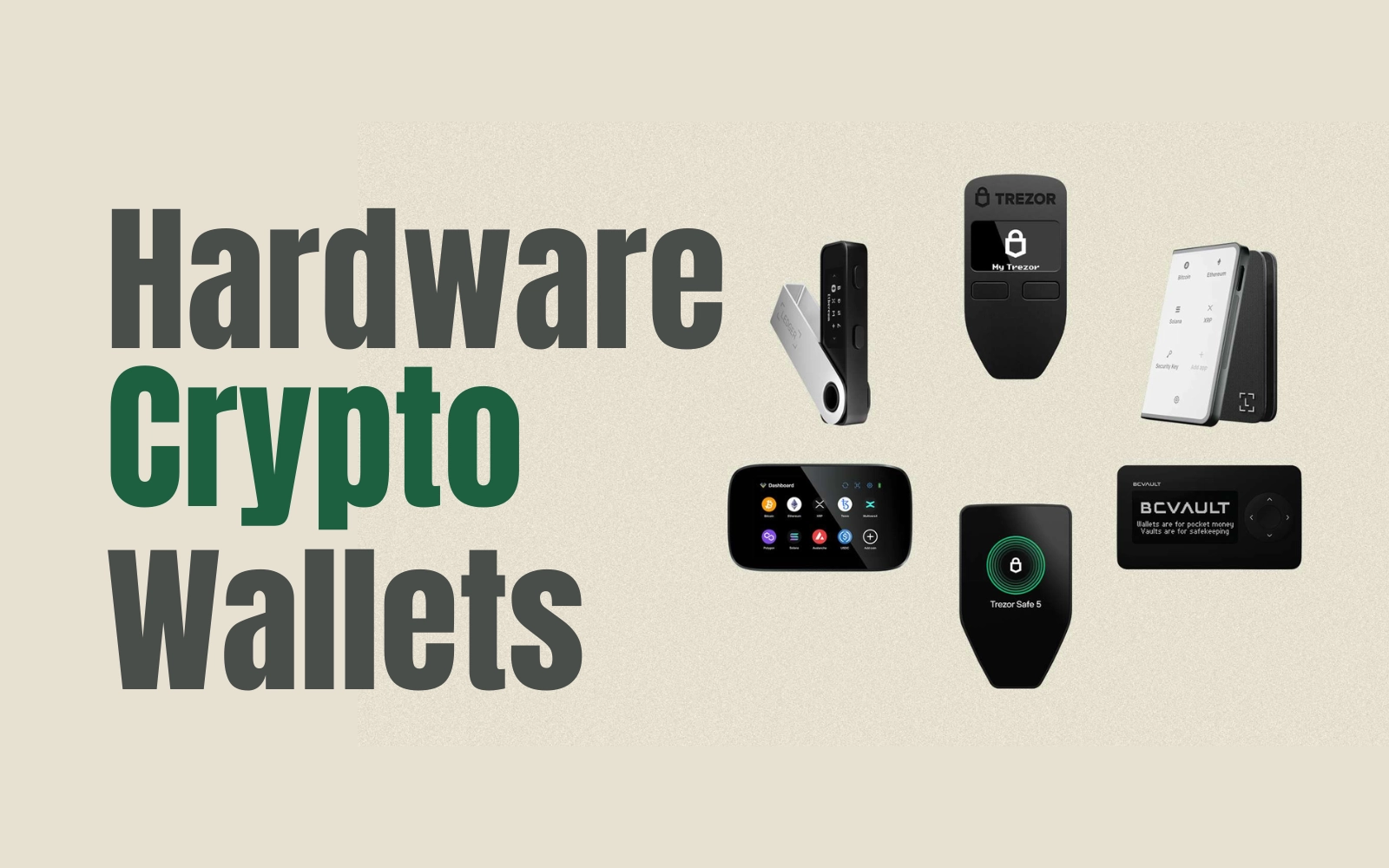
Use strong security hygiene, including hardware wallets where appropriate
Check whether your jurisdiction restricts certain products
The top no-fee crypto exchanges ranked
Below are eight platforms commonly discussed in 2025 for “no-fee” or “fee-free” trading models. Some are truly commission-free in certain contexts, others provide 0% fees on selected pairs, and some reduce costs via tiers or subscriptions.
Best Wallet
CoinFutures
Binance
MEXC
Robinhood
KuCoin
Kraken
Bybit
What “no-fee” can still cost you in practice
Before diving into the platforms, it helps to understand where the money can still leak out. The biggest silent cost is the spread, the difference between the buy price and the sell price. If you pay a wide spread, you are starting your trade at a loss, and you need the market to move further just to break even. The second is slippage, which happens when the price changes between clicking confirm and the trade executing, often worse during volatility or on low-liquidity assets. The third is funding and financing costs on derivatives, which can dwarf trading fees over time if you hold positions for hours or days. Finally, withdrawals and network fees can turn “free trading” into “expensive cashing out”, especially if you are moving assets on congested networks.
 Spreads can cost more than fees, especially for quick in and out trades
Slippage increases when liquidity is thin or markets are moving fast
Funding rates on perpetuals can outweigh fee savings
Withdrawals and network fees matter if you move assets often
1) Best Wallet, best for cost-conscious users who want self-custody swaps
Best Wallet sits in the growing category of wallet-first platforms that prioritise self-custody and in-app swapping. The big appeal is that you are not handing custody of your assets to an exchange for day-to-day activity, and you can swap tokens directly from a wallet interface rather than moving funds around multiple services. In practice, “no-fee” here typically means the platform does not add an extra trading commission on top of what the network and liquidity route already costs, although you should still expect blockchain network fees and occasional price impact depending on liquidity. It is best suited to users who value control and convenience, and who prefer swapping rather than running complex order-book strategies. The biggest “pro move” with wallet-based swapping is to be deliberate about networks, because a cheap swap route on an expensive network can still be a poor deal for small amounts.
 Best for: self-custody users who want in-wallet swaps
Watch for: network fees and swap route pricing, especially on smaller tokens
Strong fit if: you want fewer moving parts, less exchange custody exposure
2) CoinFutures, best for practising high-leverage behaviour without a full exchange workflow
CoinFutures is often positioned as a “no-fee” way to engage with high-leverage style decision-making, without the traditional complexity of deposits, order books, and exchange tooling. The key point is that platforms in this category are typically not the same thing as buying and selling spot crypto on-chain or on an order-book exchange, so it is important to understand what you are actually doing before you commit funds. As a learning tool, it can help traders experience how quickly leverage amplifies outcomes, how stop settings change results, and how emotions affect timing. As a “no-fee” option, it is most relevant to people who want a simplified, fast interface and who accept that the experience is not identical to holding real spot assets.
Best for: learning risk, timing, and leverage-style decision-making
Watch for: product structure, payout rules, and what “profit-based” costs mean in practice
Strong fit if: you want a simpler interface than a full derivatives exchange
3) Binance, best for deep liquidity with occasional 0% fee promotions on selected pairs
Binance remains one of the biggest liquidity venues in the world, and that scale is exactly why it often appears in “low-fee” conversations. In 2025, the most common “no-fee” angle for Binance is 0% fees on specific spot pairs during promotions, frequently focused on Bitcoin pairs. For active traders, the real advantage is not only the fee mechanics, but also market depth, tight spreads on major pairs, and fast execution, especially during volatility. The trade-off is complexity, because the product suite is enormous, and the fee picture can change by region, tier, and product type. If you use Binance purely for the pairs that are genuinely 0% at the time you trade, and you stay disciplined about withdrawals and conversion steps, it can be one of the most cost-efficient mainstream options.
Best for: high-liquidity trading on major assets and selected 0% fee pairs
Watch for: promo eligibility, region-specific restrictions, and non-spot fees
Strong fit if: you want execution quality and market depth on big pairs
4) MEXC, best for broad altcoin access and rotating fee-free zones on selected pairs
MEXC is known for listing a very wide range of tokens and for running rotating promotions that reduce or remove fees on specific pairs or zones. For traders chasing emerging narratives or wanting access to a large catalogue of spot markets, that breadth is the main attraction. The “no-fee” conversation here usually centres on selected spot pairs or promotional fee structures, rather than a blanket 0% across everything. As with any exchange that leans heavily into breadth and frequent promotions, the main thing to manage is consistency: the fee schedule can vary by product, and liquidity on smaller assets can be thinner than on the biggest global venues. If you approach it as a tactical platform, using it for specific pairs and time windows, it can be a strong cost saver.
Best for: wide token selection with periodic fee-free opportunities
Watch for: liquidity on micro-caps and the exact fee terms per pair
Strong fit if: you actively rotate across sectors and new listings
5) Robinhood, best for beginners who want simple, commission-free exposure
Robinhood is widely associated with commission-free trading, and for many users it offers one of the cleanest “start here” experiences, particularly if you already use it for traditional markets. In the crypto context, “no-fee” typically means no explicit commission, but you still need to pay attention to spreads, execution pricing, and how conversions are handled. The platform tends to prioritise simplicity over advanced tooling, so it is not where most people go for complex charting, derivatives, or deep order-book strategies. Where it shines is ease of use: a familiar interface, straightforward buying and selling, and a lower intimidation factor for people who want exposure without becoming power users overnight.
 Best for: simple, beginner-friendly crypto access without visible commissions
Watch for: spreads and execution pricing, especially during volatility
Strong fit if: you want a clean interface and minimal trading friction
6) KuCoin, best for promo hunters who want a feature-rich exchange
KuCoin regularly features in low-fee discussions because it often runs limited-time promotions on selected pairs and has a broad product suite beyond basic spot trading. For traders, the value is in flexibility: you can often find niche assets, explore different trading tools, and participate in exchange-driven campaigns. The key is to treat “no-fee” as conditional. Promo periods, selected pairs, and the difference between spot, margin, and derivatives pricing can materially change your real cost. If you are happy to check fee pages and you trade actively enough to make those small differences matter, KuCoin can be a strong option.
Best for: feature variety, token breadth, and rotating fee promotions
Watch for: changing promo terms and product-by-product fee differences
Strong fit if: you want tools plus access to a wide range of markets
7) Kraken, best for security-minded users who want structured fee reductions and subscriptions
Kraken’s “no-fee” angle in 2025 is typically more structured than promotional, leaning on tiers, programmes, or subscriptions that can reduce trading costs for certain activity levels. That makes it appealing to people who prefer clarity and consistency rather than chasing temporary fee-free windows. Kraken is also often chosen for its security posture and more conservative approach to product expansion compared to some competitors. The practical takeaway is that “zero fees” may apply only under specific conditions, such as within a subscription cap or above certain volume thresholds, so it is worth matching your trading behaviour to the plan rather than assuming you will always pay nothing. The upside is predictability, because you can design your activity around a known structure instead of chasing offers.
Best for: security-first users who prefer predictable pricing structures
Watch for: eligibility rules for “zero fee” benefits and monthly limits
Strong fit if: you value trust and consistency over constant promotions
8) Bybit, best for active traders where maker incentives reduce costs
Bybit is widely used by active traders, and its “no-fee” story often relates to maker fees, VIP tiers, or specific incentives rather than a blanket 0% across spot trading. If you place liquidity-providing orders and operate at meaningful volume, fee reductions can become very real, and in some cases materially change your strategy’s break-even point. For most everyday users, the bigger question is whether the platform’s tools match your trading style, because Bybit tends to be built for people who actively manage positions, risk, and execution. As always, the real cost picture is broader than the maker or taker headline, because funding fees, withdrawals, and slippage can be the difference between a good deal and a frustrating one.
 Best for: active traders who benefit from maker incentives and robust tooling
Watch for: derivatives-related costs, funding rates, and tier requirements
Strong fit if: you trade frequently and care about execution and interface speed
A practical “no-fee” checklist before you sign up
If you want to make this genuinely useful, treat the decision like a mini audit. First, look at the pairs you actually trade, not the ones used in promotions. Second, compare the effective cost of execution by doing a small test trade and calculating the difference between the mid-price and your fill price. Third, confirm the withdrawal fee for the networks you use most, because that is where a lot of people get caught out. Fourth, check whether the platform supports basic protective features like withdrawal whitelists, anti-phishing codes, and strong account security. Finally, decide where your long-term holdings will live, because “no-fee trading” and “safe storage” do not always belong in the same place.
Check fee-free eligibility per pair, per product, and per region
Test execution quality with small size and calculate real costs
Verify withdrawal fees on your preferred networks before funding
Separate trading balances from long-term holdings where possible
#BESTNOFEECRYPTOEXCHANGES #NOFEECRYPTON #BESTNOFREECRYPTOEXCHAGES2025
Also see: Best Decentralised Crypto Echanges, No KYC Crypto Echanges, and The Biggerst Crypto Exchanges of 2025