



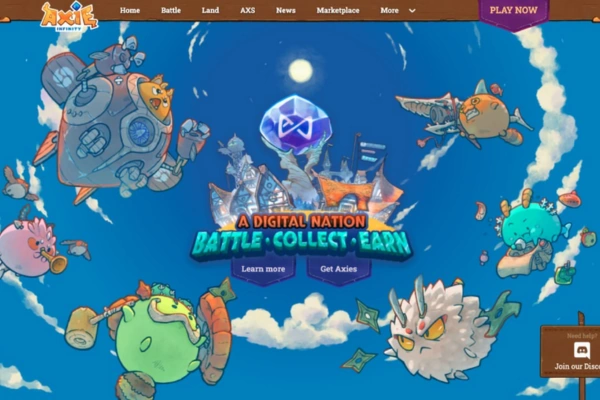
Quick 2026 Shortlist, Our Top 10 Mobile P2E Games to Watch
This list reflects what’s been actively promoted and updated heading into early 2026, including seasonal gameplay, token-related milestones, tournaments, and creator events. It’s not a promise of profits, it’s a practical watchlist of where attention is already clustering.
- Sports.fun
- Shatterpoint
- Seraph: In the Darkness
- The Sandbox
- Fableborne
- Guild of Guardians
- Axie Infinity: Atia’s Legacy
- Pixels
- OverKnights
- Call of Myth
1) Sports.fun (Fantasy sports with token utility)
Sports.fun is one to watch because it’s built around a format people already understand: fantasy sports, community competitions, and token-based utility that can power in-app purchases and rewards. It has also benefited from clear promotional moments, including a public token sale structure and defined token pricing, which matters because players can at least understand what the project is aiming for rather than guessing. If you enjoy short sessions and competitive formats, fantasy-style “pick, manage, compete” loops can be sticky on mobile. For 2026, the bigger question is whether Sports.fun can keep the gameplay feeling fresh outside major events, because sports titles live and die by seasonal momentum, community rivalry, and constant iteration.
 Watch for: regular leagues, new sports modes, and sustainable reward pacing.
Player fit: competitive, stat-curious, and community-driven mobile players.
Rewards angle: often tied to events and platform participation
Risk note: token utility is only valuable if the player base stays active.
2) Shatterpoint (Mobile action RPG with seasonal reward structure)
Shatterpoint stands out because it positions itself as a mobile action experience with competitive hooks and a seasonal progression system. In simple terms, it’s trying to be a “real game first” experience where the earning element is a layer on top, not the whole point. That’s the direction the market needs. If the core loop is fun, the economy has a chance. If the loop is dull, no amount of rewards will save it. For 2026, the watch factor is around token conversion milestones and how the game shifts players from pre-launch style progression into a more settled economy without breaking balance. If you’re a beginner, this style can be appealing because you can treat it like a standard mobile title while you learn the Web3 layer at your own pace.
Watch for: season cadence, token-related milestones, and fair matchmaking.
Player fit: action-focused players who like climbing ranks over time.
Rewards angle: seasonal progression and competitive performance.
Risk note: early economies can change fast, so avoid overcommitting early.
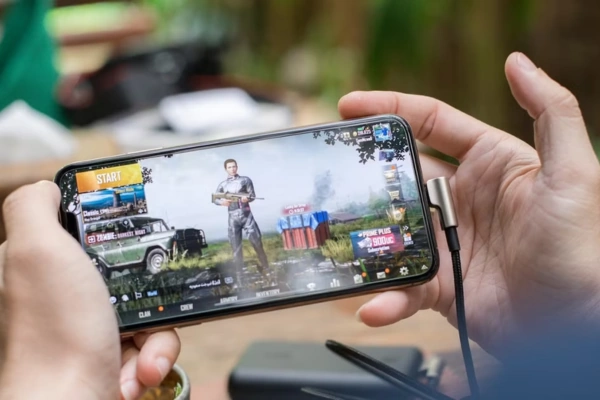
3) Seraph: In the Darkness (Dungeon runs, seasonal rewards, repeatable earning)
Seraph has leaned heavily into structured gameplay loops that are easy to understand: run dungeons, earn rewards, climb ladders, repeat. That’s familiar, and familiarity is powerful in mobile gaming. What makes Seraph especially notable heading into 2026 is the emphasis on seasonal mechanics and repeatable reward systems that are tied to actual gameplay participation, including dungeon activity. For players, this can feel more “earned” than random giveaways. For the broader market, it’s a useful test case for whether action RPG loops can sustain a token economy without collapsing into grind fatigue. If you’re considering Seraph, approach it like any seasonal ARPG: pace yourself, learn the meta, and treat rewards as a bonus rather than the purpose.
 Watch for: season refreshes, dungeon reward balancing, and player retention.
Player fit: ARPG fans who enjoy repetition, loot chasing, and progression.
Rewards angle: participation-based rewards and seasonal pools.
Risk note: if too many players optimise purely for reward farming, fun can drop fast.
4) The Sandbox (Creator economy, events, and prize-driven game jams)
The Sandbox is less about a single “game” and more about an ecosystem where creators build experiences, players explore them, and events keep the loop moving. That makes it one of the more resilient models in crypto games because it does not rely on one gameplay loop staying popular forever. Instead, it relies on the community producing new content and the platform motivating creation through events and rewards. Heading into 2026, creator-focused campaigns and prize pools are a major reason it stays on watchlists, because they can attract both players and builders in a way that feels closer to mainstream UGC platforms. If you enjoy experimenting, exploring, and dabbling in social experiences, The Sandbox can feel less like a job and more like a hobby that occasionally pays.
Watch for: creator contests, seasonal events, and new experience launches.
Player fit: explorers, creators, and social-first players.
Rewards angle: competitions, creation incentives, and ecosystem participation.
Risk note: the best value often accrues to builders, not casual players.
5) Fableborne (Mobile-first gameplay, guild progression, seasonal rewards)
Fableborne is one of the most mobile-friendly entries on this shortlist because it blends approachable gameplay with competitive systems like guild features and event-driven progression. That mix matters because mobile players want quick sessions, but they also want longer arcs of achievement. Guild structures are a classic retention tool, and when they’re tied to seasonal rewards, you get a reason to come back that is not purely financial. For 2026, Fableborne’s watch factor is about how well guild competition scales, how fair rewards feel across casual and competitive players, and whether the economy stays accessible without forcing purchases. If you like “join a team, improve steadily, and compete in cycles,” this could be a strong fit.
Watch for: guild wars, seasonal schedules, and reward accessibility for new players.
fit: social competitors who like teamwork and steady progression.
Rewards angle: events, guild participation, and seasonal systems.
Risk note: high competition can push players into spending, so set limits early.
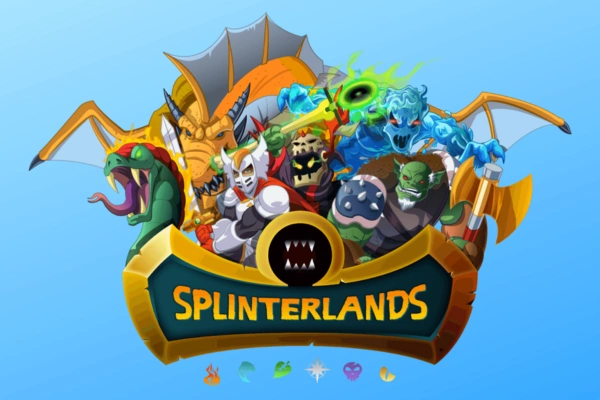
6) Guild of Guardians (Idle RPG with seasonal events and mobile cadence)
Guild of Guardians is designed around mobile-friendly progression, with an idle RPG structure that suits people who want to check in, manage teams, complete events, and gradually improve. That’s a very different vibe from action-heavy games, and it’s often more sustainable for time-poor players. Seasonal events and limited-time activities are a big part of how this genre stays interesting, and the game has leaned into that rhythm with festival-style updates and rotating content. For 2026, the key is whether events remain meaningful without becoming exhausting, and whether new players can join without feeling permanently behind. The best idle games give you constant “small wins” without demanding your entire day.
 Watch for: event design, catch-up mechanics, and fair progression systems.
Player fit: casual mobile players who enjoy collecting, upgrading, and optimising.
Rewards angle: seasonal activities and event participation.
Risk note: idle games can tempt impulse spending, so set a budget
7) Axie Infinity: Atia’s Legacy (The “big universe” MMO-style bet)
Atia’s Legacy matters because Axie Infinity is still one of the most recognisable names in blockchain gaming, and this project aims to expand the universe into a deeper MMO-style experience. That’s ambitious, and ambition is exactly why it stays on a 2026 watchlist. The big question is execution: can it deliver gameplay depth, social systems, and long-term progression without relying on hype? If it can, it may become one of the stickiest community-driven worlds in the space. If it cannot, it risks becoming another “promising roadmap” story. For players, this type of title is best approached as a community experience first. The economic layer is real, but the real value is often friendships, guild rivalry, and the feeling of living in a world that keeps evolving.
Watch for: playtests, guild features, and how accessible onboarding feels for newcomers.
Player fit: MMO fans who like worlds, communities, and long-term goals.
Rewards angle: typically event-driven, progression-driven, and community-driven.
Risk note: MMOs are slow burns, so don’t expect instant results.
8) Pixels (Social farming with seasonal competition)
Pixels has done something clever: it takes a relaxing genre, social farming, then adds competitive seasonal layers that keep communities talking, teaming up, and pushing goals. That combination can be extremely effective on mobile because the base gameplay is comforting, while the seasonal layer adds urgency. If you are the type of player who likes daily routines, collecting resources, and participating in community events, Pixels can be very sticky. For 2026, the watch factor is how well these competitive seasons remain fair and fun. The moment a farming game feels like a chore, players leave. The moment it feels like a shared story with friendly rivalry, players stay.
 Watch for: seasonal structures, team competition formats, and how rewards are distributed.
Player fit: casual social players who like routine, collaboration, and light competition.
Rewards angle: seasonal prize pools and participation incentives.
Risk note: avoid turning a relaxing game into a stressful grind.
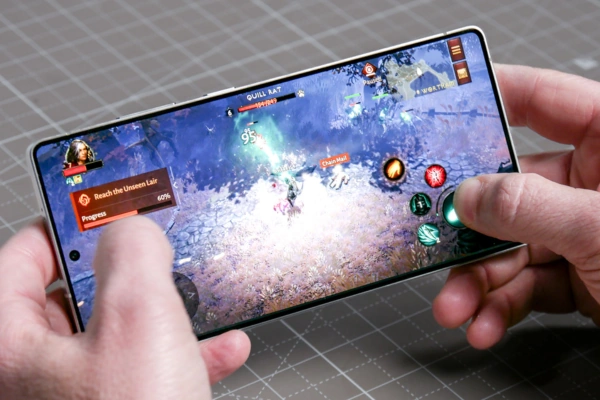
9) OverKnights (Competitive card battles with play-to-airdrop campaigns)
OverKnights is one of the more straightforward “compete and earn” options on this list, largely because it leans into structured campaigns and clearly framed reward events. Card battlers can work brilliantly on mobile because sessions are short, strategy is deep, and progress feels skill-based rather than time-based. What makes OverKnights especially watchable for 2026 is the emphasis on campaign-style participation, quests, and competitive ladders that reward activity and performance. This is a style of crypto promotion that can actually make sense, because you are rewarded for playing well and staying active rather than simply depositing money. Still, it’s competitive, and competitive games can push players into unhealthy grind habits if they chase leaderboards too aggressively.
Watch for: campaign cycles, reward clarity, and the skill-to-reward balance.
Player fit: strategic players who like competitive ladders and optimisation.
Rewards angle: event participation, quests, and competitive ranking.
Risk note: don’t overplay just to chase weekly targets.
10) Call of Myth (Tournament energy and competitive spectacle)
Call of Myth is on this shortlist for one main reason: spectacle. Big tournament narratives and competitive events are a proven way to pull attention in gaming, and when that’s combined with blockchain reward structures, it can create bursts of intense engagement. The smart approach is to treat it like any competitive scene: focus on whether the gameplay is genuinely satisfying, whether competitive integrity is respected, and whether the community grows beyond short-term prize excitement. If Call of Myth can build a consistent competitive ecosystem rather than one-off events, it could become a repeat destination for skilled players who love proving themselves. If it stays mostly tournament hype, it may struggle to keep everyday players involved.
 Watch for: recurring tournaments, matchmaking quality, and a stable competitive meta.
Player fit: competitive players who love events, ladders, and high-skill gameplay.
Rewards angle: tournament pools, ranked incentives, and event-driven campaigns.
Risk note: competitive hype can spike fast and fade fast, so watch retention.
How to Judge Crypto Promotions in Crypto Games (without getting burned)
The phrase crypto promotions gets used loosely, and that’s where many players get caught out. In 2026, promotions will often look like season passes, leaderboard pools, play-to-airdrop campaigns, referral quests, creator contests, or token-linked missions. Some are fair and gameplay-driven. Others are designed mainly to drive deposits, trading volume, or social engagement, which can be fine, but only if you understand the trade. Your checklist should be practical: Can you understand how rewards are earned? Can you verify them in your wallet? Can you withdraw them, and what are the limits? Does the game still feel fun if you ignore the promo tab entirely? If the answer is no, you are not looking at a promotion, you are looking at a trap disguised as a reward.
Look for simple rules, clear timelines, and transparent distribution methods.
Avoid promotions that require you to lock assets without understanding unlock schedules.
Test the “withdraw path” early with small amounts, not after months of grinding.
Be cautious of anything that pressures you with countdown timers and vague conditions.
Getting Started with Crypto Games (the low-stress approach)
If you’re new to cypto games, the best path is boring, and boring is good. Pick one game from the casual side (Guild of Guardians or Pixels), and one from the competitive side (Shatterpoint or OverKnights). Play for a week without spending anything. Learn the menus, the marketplace logic, and the event cadence. Then, if you still like it, set up your wallet properly, enable strong security, and do one small transaction as a test. The goal is not to rush into earning. The goal is to build confidence and avoid mistakes that cost you assets. You can always scale up later. The players who last in this space are the ones who treat it like a hobby with upside, not a job with guaranteed income.
Start free-to-play where possible, and only spend once you understand progression.
Keep security tight, never share recovery phrases, and beware fake support messages.
Choose games with active updates and visible community engagement.
Track your time, because time is the real cost in play-to-earn.
Final Thoughts from Top Rated Crypto Exchanges
2026 is shaping up to be a year where the best crypto games stop trying to sell “earning” and start trying to sell experiences that people actually want to return to. That’s exactly what this industry needs. The most promising projects are building familiar mobile loops, seasons, guilds, quests, and competitive ladders, then layering blockchain ownership in a way that is optional for casual players but valuable for dedicated ones. If you’re looking for the best opportunities, your edge will not come from chasing every new promo. It will come from picking one or two games early, learning them properly, and staying consistent while everyone else bounces between hype cycles. Keep your expectations realistic, keep your security tight, and treat crypto promotions as a bonus, not a plan.