






Ledger vs. Trezor: Which will be top dog in 2026?
Ledger and Trezor are still the two biggest names in hardware wallets heading into 2026, and the “top dog” title depends on what you actually do with crypto day to day. Ledger tends to suit users who want a polished ecosystem, frequent mobile use, broad asset support, and a smoother path into Web3, especially if you regularly connect to dApps. Trezor tends to suit users who value transparency, a clean and simple experience, and security tools like stronger backup options and privacy controls inside its software. In plain English, Ledger often wins for people who live in crypto, while Trezor often wins for people who store crypto. The best choice is the one that matches your habits, because most real-world losses happen through phishing, fake apps, and signing the wrong transaction, not because the device itself randomly fails.
Best for active Web3 users: Ledger, for ecosystem and daily usability
Best for transparency-first users: Trezor, for open-source focus and security-first workflow
 Most important skill in 2026: verifying what you sign before approving
Best overall strategy: use a hardware wallet for storage, keep trading funds separate
Non-negotiable rule: never share your recovery phrase, ever
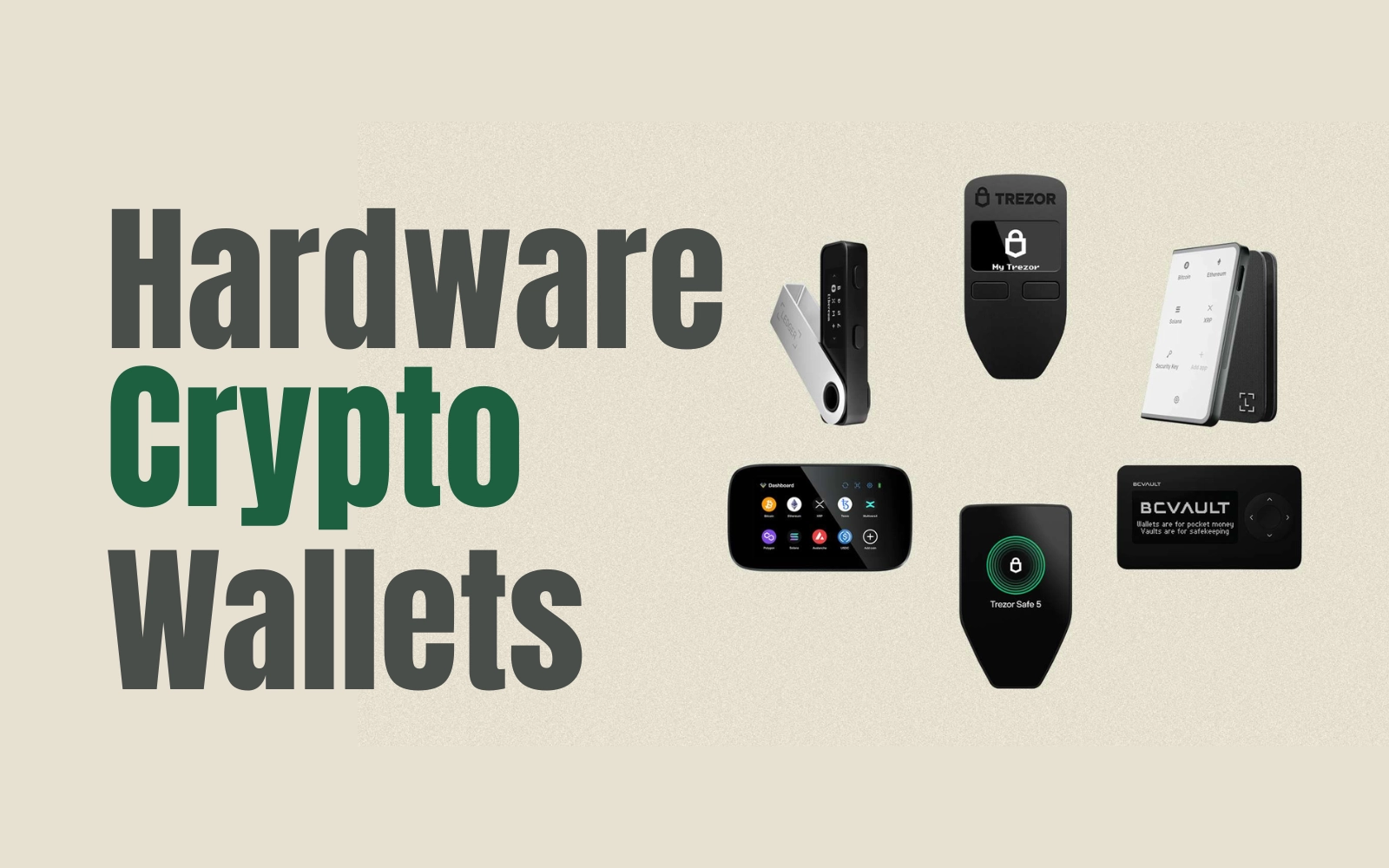
If Ledger were a premium gadget brand, it would be the one making your wallet feel like a daily driver, sleek, modern, mobile-friendly, and designed to keep up with multi-chain life. Devices like the Nano X focus on portability and Bluetooth convenience, while models like the Stax push into larger displays designed to make transaction verification easier.
Trezor’s approach is more “security tool first”, with a focus on a clean workflow inside Trezor Suite, strong on-device protections, and backup standards like Shamir Backup (SLIP39) plus Bitcoin coin control for users who care about privacy and precision. In 2026, the biggest separator is not which brand is “unhackable”, it is which brand helps you avoid the most common user errors, like approving malicious prompts, downloading fake apps, or losing your recovery information.


Ledger Nano X, overview and review
The Ledger Nano X is built for people who want a compact hardware wallet that can travel with them, including the convenience of Bluetooth for mobile use and portfolio management via Ledger’s companion app experience. It is typically described as a strong “daily driver” for users who hold multiple assets and want a straightforward workflow for sending, receiving, and managing coins. Ledger positions the device around Secure Element protection and offline key storage, and the product pages highlight broad crypto support and mobile compatibility. It is not the flashiest model, but it tends to win on practicality: small form factor, familiar navigation, and a wide compatibility story for users who do not want to fight with their wallet every time they use it.
Best for: everyday holders, mobile-first users, multi-asset portfolios
Standout: portability plus Bluetooth convenience
Trade-off: smaller screen means careful verification matters
Good fit if: you regularly move funds or use multiple coins
Not ideal if: you want maximum transparency and open-source tooling
Ledger Stax, overview and review
Ledger Stax is Ledger’s “premium experience” play, built around a curved E Ink touchscreen that is positioned as improving the way users read and verify transaction details.The bigger idea here is simple: many wallet mistakes happen because people approve transactions too quickly, and a more readable display can help reduce that risk in real life. Ledger also leans into customisation and usability, framing Stax as a more modern interface for managing assets while still keeping private keys offline. It is not the cheapest route, but if you are frequently interacting with Web3, or if you simply want a wallet experience that feels less cramped, Stax can make security feel more usable, which matters in 2026.
 Best for: people who value readability and verification
Standout: curved E Ink touchscreen designed for viewing transaction details
Trade-off: higher cost and more “premium device” positioning
Good fit if: you often sign transactions and want better visibility
Not ideal if: you only hold Bitcoin and want simple, low-cost storage
Trezor Safe 5, overview and review
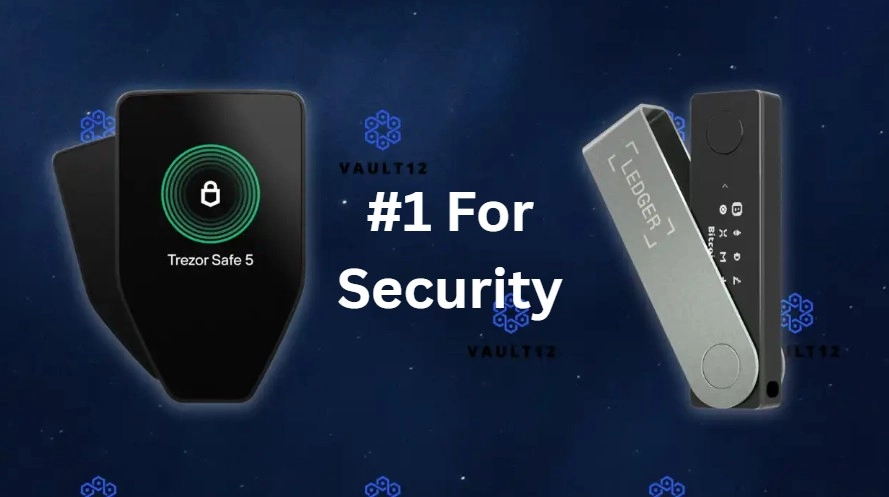
Trezor Safe 5 is positioned as a premium, everyday-friendly hardware wallet with a colour touchscreen, haptic feedback, and Gorilla Glass 3 on the display surface. Trezor also pushes a security story that blends on-device protections with an open-source approach and a clear emphasis on recovery and backup options. Shamir Backup (SLIP39) is often highlighted in the Trezor ecosystem because it can reduce the risk of a single recovery phrase becoming a single point of failure, especially for users who want to split backups across locations. For 2026 buyers, Safe 5 tends to appeal to people who want a more modern screen experience than button-only wallets, but still want the “security-first, transparency-led” Trezor feel.
Best for: transparency-first users who still want a modern touchscreen
Standout: Gorilla Glass 3, colour touchscreen, haptic feedback
Trade-off: fewer “lifestyle” features compared to some Ledger positioning
Good fit if: you value backup options and Trezor Suite workflow
Not ideal if: you want maximum ecosystem integrations and a single app hub
Ledger vs. Trezor: Security in the real world
In 2026, “security” is less about a mythical device hack and more about the messy reality of phishing, malicious transaction prompts, and compromised third-party tools. Ledger’s December 2023 Connect Kit exploit is a good example of how risk can live in the wider ecosystem, not necessarily inside the hardware itself. Ledger’s own incident report describes malicious code injected into dApps using Connect Kit, which tricked some users into signing draining transactions, and the company also published leadership commentary about the event and response. Trezor, meanwhile, has publicly addressed phishing incidents tied to unauthorised access to a third-party support ticketing portal, and reputable security reporting has discussed the scale and nature of the phishing activity. The lesson is consistent: you are the final approval step. A hardware wallet helps, but it cannot protect you if you give away your recovery phrase or approve a malicious transaction without verifying what it does.
 Ledger’s Connect Kit incident shows how dApp tooling can become an attack path
Trezor’s support-related incident shows how scammers exploit trust and communication channels
The most common failure is still phishing, not broken cryptography
Always verify addresses and transaction intent on the device screen
Never enter your seed phrase into a website or “support” form
 At Top Rated Crypto Exchanges, our 2026 verdict is based on the things that actually shape outcomes for real users, not just spec sheets. For 2026, Ledger is often the better pick for active users who want broad compatibility, a polished ecosystem, and a smoother path for managing multiple assets across mobile and desktop. Trezor is often the better pick for users who prioritise transparency, backup discipline, and a security-first workflow, including options like Shamir-style split backups and privacy tooling such as coin control within Trezor Suite. The most honest answer is that there is no universal winner, because the biggest risk factor is behaviour. If you want a clean, modern experience and you regularly interact with Web3, Ledger is likely to feel like the top dog. If you want a more minimal, transparency-led security tool and you mostly store, Trezor is likely to feel like the top dog.
Top dog for active Web3 users: Ledger, for daily usability and ecosystem flow
Top dog for security purists: Trezor, for backup standards and user control
Top dog for beginners: the wallet you will back up properly and use patiently
Top dog for long-term holders: whichever keeps your keys offline with minimal exposure
Top dog overall: your habits, not the brand badge
If you are beginner to crypto and you want more information on Cryto Wallets, have a look at What is a Crypto Wallet?


Is Ledger or Trezor better for supported assets and compatibility?
 Asset support is one of the most practical differences between Ledger and Trezor, especially in 2026 where many users hold assets across multiple networks. Ledger consistently markets very broad multi-asset coverage, which makes it popular with users who hold a wide mix of cryptocurrencies, regularly rotate tokens, or interact with newer blockchains. This broader compatibility can reduce friction, particularly when dealing with less common assets or NFTs. Trezor, by contrast, focuses on strong compatibility through Trezor Suite and trusted third-party wallets, which works extremely well for Bitcoin and major assets, but may require extra checking for niche tokens. In practice, both wallets are excellent for mainstream holdings, but users with more complex portfolios should always confirm asset and network support before buying.
 Ledger strongly markets broad multi-asset and multi-chain coverage
Trezor prioritises Suite compatibility and third-party wallet integrations
Both support major coins like Bitcoin and Ethereum very well
Niche tokens should always be checked individually
Compatibility varies by network, not just by coin
Does Ledger or Trezor offer better value for money?
Value depends less on headline price and more on how you plan to use the wallet. Hardware wallets are security tools, not gadgets, and the cost is usually small compared to the value of avoiding a single serious mistake. Ledger positions models like Stax as premium options, with larger displays designed to improve transaction visibility for users who sign transactions frequently. Trezor’s Safe 5 is also positioned as a premium device, with a touchscreen and durable build that appeals to users who want a modern feel without prioritising ecosystem features. For long-term holders who rarely transact, simpler and cheaper models from either brand can offer excellent value without unnecessary extras.
Treat wallet cost as a long-term security investment
Touchscreens cost more but can reduce signing errors
Budget models are often ideal for long-term storage
Premium models suit active users and Web3 interaction
Price matters less than correct and consistent usage
Which wallet is better for ease of use in 2026?
Ease of use is a security feature, not a luxury. If a wallet feels frustrating or confusing, people rush, skip checks, or store recovery phrases poorly, which creates real risk. Ledger tends to appeal to users who want a single app hub and a smoother day-to-day workflow across desktop and mobile. Trezor tends to appeal to users who want a simpler, more security-first routine with fewer distractions and a strong emphasis on backups. In 2026, larger screens and clearer prompts are increasingly important, because they encourage users to slow down and properly review what they are approving.
 The safest wallet is the one you will actually use properly
Larger screens can help with transaction verification
Ledger suits users who want a polished app experience
Trezor suits users who prefer minimal, focused workflows
Confusion leads to mistakes, and mistakes cost money
How important are recovery methods and backup options?
Recovery is where long-term security really lives. Both Ledger and Trezor rely on recovery phrases, but Trezor offers additional flexibility through split backup methods such as Shamir Backup, which allows users to divide recovery information across multiple locations. This can reduce single-point-of-failure risk for users who understand how to manage it correctly. Ledger relies more on traditional recovery phrase discipline, which works extremely well when handled properly. The key is not which method exists, but whether you choose a backup approach you can maintain safely for years.
Write recovery phrases offline only
Never store recovery data in email or cloud notes
Split backups can reduce single-location risk
Choose a method you will not forget or abandon
Recovery planning matters more than daily usage
Is one wallet better for long-term holding than active use?
For long-term holding, both Ledger and Trezor can be excellent choices, as long as private keys remain offline and exposure is limited. Simpler models often work best for this purpose, because they reduce unnecessary interaction. For active use, such as DeFi, NFTs, or frequent transfers, usability and transaction clarity become more important. Ledger’s ecosystem and broader compatibility often suit active users, while Trezor’s simplicity and privacy-focused tools suit disciplined holders who value minimal exposure.
 Long-term holders benefit from simple, low-interaction setups
Active users need clear transaction visibility
More activity means higher signing risk
Separate storage and active funds when possible
Behaviour matters more than brand choice
What should beginners prioritise when choosing between Ledger and Trezor?
Beginners should prioritise clarity, patience, and habits over features. The best wallet for a beginner is the one they will set up carefully, back up correctly, and use without rushing. Both Ledger and Trezor are beginner-friendly when used as intended. New users should focus on learning how recovery phrases work, how to verify addresses, and how to recognise scams, rather than worrying about advanced features they may never use.
Choose a wallet you feel comfortable setting up
Focus on recovery and backup from day one
Avoid rushing transactions
Use test transfers to build confidence
Security habits beat advanced features every time
How should users verify compatibility before buying a hardware wallet?
Never assume compatibility based on brand alone. Asset support can vary by coin, network, and wallet software. Users should always check official compatibility lists and confirm whether they need support for NFTs, staking, or specific blockchains. This is especially important for newer or less common tokens. Spending a few minutes verifying compatibility before purchase can save hours of frustration later.
 Check asset support per coin and per network
Confirm NFT and staking requirements if relevant
Review official compatibility pages
Avoid assumptions based on brand reputation
Plan for future assets, not just current holdings
What matters more in 2026, hardware features or user behaviour?
User behaviour still matters far more than hardware features. Both Ledger and Trezor provide strong tools, but neither can protect users who ignore warnings, approve unknown transactions, or share recovery phrases. In 2026, the biggest risks remain phishing, fake apps, and social engineering. Hardware wallets reduce risk, but only when paired with disciplined habits and careful verification.
 Treat every signature like a bank transfer
Never trust unsolicited support messages
Verify URLs and apps before connecting
Use test transactions for new actions
Your habits are the real security layer