Crypto games

Crypto Games

Top 10 Gaming Crypto Coins to Watch in 2026

Crypto gaming, often referred to as GameFi, continues to evolve beyond its early hype-driven phase. What began as a novel idea, earning tokens for playing games, has matured into a

More Crypto games News

Top 10 Play-to-Earn Crypto Games to Watch in 2026

Top 10 Play-to-Earn Crypto Games to Watch in 2026 Crypto gaming is moving into a stronger, more player-first era. The biggest shift is that the best projects are no longer

Crypto Games: A Complete Guide

Crypto+Casino+Bonus

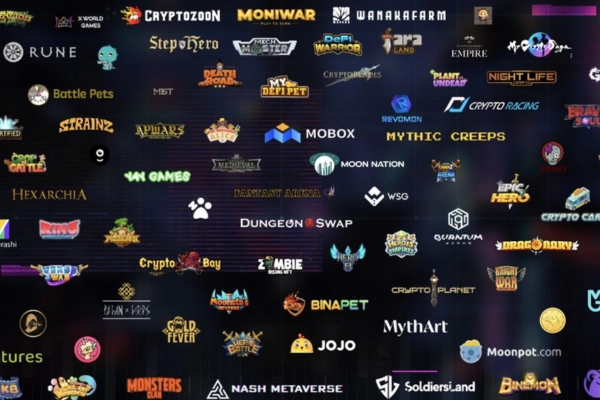
The gaming landscape is undergoing a remarkable transformation, and blockchain technology is at the heart of that evolution. What began as a niche interest has grown into a vibrant ecosystem where players can engage with immersive games while owning, trading and monetising their digital assets in ways that were once impossible. Blockchain gaming blends the interactive experiences of traditional video games with the transparency and decentralisation of distributed ledger technology. This new era of gaming empowers players with real ownership of in-game items, represented as tokens or non-fungible tokens (NFTs), and gives them the freedom to trade, sell or even earn from their achievements outside the game environment. The result is a dynamic economy that elevates gaming from mere entertainment to a platform for economic opportunity and creative engagement. 

Blockchain gaming is not limited to a single genre or style. From competitive battle arenas to collectible card games and open-world adventures that include trading, staking, and governance elements, the scope continues to expand as developers experiment with new mechanics and economic models. What makes this space especially exciting is that it shifts control from centralised publishers to players themselves, giving gamers true digital ownership and the potential to benefit financially from the time and effort they invest.

What Are Crypto Games?

Crypto games are video games that use blockchain technology to enhance the gaming experience and give players control over digital assets. Unlike traditional games, where in-game items and currencies are locked within the game’s ecosystem, blockchain games store these elements on decentralised networks, allowing true ownership and transparency. This means that weapons, skins, characters, virtual land and other assets become tokenised, enabling players to trade or sell them independently of the game itself.

A defining feature of many crypto games is the integration of play-to-earn mechanics. Players can receive rewards in the form of cryptocurrencies or unique tokens simply by participating in gameplay, completing missions or achieving specific milestones. These rewards often have real-world value because they can be exchanged or traded on external marketplaces. This fusion of gaming with real economic incentives has attracted a diverse audience, from casual gamers who appreciate the new experiences to dedicated participants looking for meaningful earnings.

The term “crypto game” can encompass a wide variety of experiences, from collectible card battles and strategy titles to expansive virtual worlds where property, avatars and items are all tradable assets. The core similarity across this spectrum is the use of blockchain to empower players with true ownership and transparent, secure transactions.

blockchain gaming Crypto games use blockchain to tokenise items, currencies, and in-game assets.

blockchain gaming Many include play-to-earn rewards that can be traded or sold externally.

blockchain gaming Ownership and transparency are key differences versus traditional games.

blockchain_games_list

Types of Crypto Games

Crypto games come in many forms, and understanding the differences helps players choose experiences that match their interests and goals. One of the most popular categories is play-to-earn (P2E) games, where players earn tokens or digital assets simply by playing, completing tasks or achieving objectives. These assets can then be traded or sold, creating an income stream tied directly to gameplay.

Another popular category is collectible and trading games, where digital items, characters or cards have unique attributes and rarity, stored as NFTs. These games often feature player-driven markets, allowing individuals to buy, sell or trade assets with others around the world. Some games also enable staking and governance roles, where holding certain tokens gives players the right to vote on game changes or earn passive rewards through participation in protocol governance.

There are also hybrid experiences that blend elements of traditional gaming with blockchain innovation. For example, virtual worlds and metaverse games incorporate property ownership, social interaction and economic activity in shared online spaces. These environments may allow players to build, rent or develop land and items that have real economic significance, further expanding how gamers engage with digital economies.

blockchain gaming Play-to-earn games reward progress and performance with tokens or NFTs.

blockchain gaming Collectible games focus on rarity, trading, and marketplace activity.

blockchain gaming Metaverse-style games combine social play with digital property ownership.

The Benefits of Playing Crypto Games

One of the most compelling benefits of blockchain gaming is the potential for true asset ownership. In traditional games, in-game items have no value outside the platform and cannot be transferred or monetised. In blockchain games, players retain control over their digital assets in a way that is verifiable and secure, thanks to decentralised ledger technology.

Another advantage is the earnings potential that play-to-earn models offer. While not every game will generate substantial income for every player, the ability to receive tokens, NFTs or crypto rewards for active participation transforms gaming into an activity with possible financial upside. These rewards can be sold on marketplaces or exchanged for other digital assets, introducing new economic opportunities that were previously unavailable in the gaming world.

Blockchain gaming also fosters community and engagement in new ways. Player communities often form around shared economic and strategic interests, collaborating on markets, governance and in-game objectives. This creates vibrant ecosystems where players not only play together but also influence the evolution of the game itself, sometimes through decentralised decision-making structures like gaming DAOs (Decentralised Autonomous Organisations).

blockchain gaming Players can own, trade, and sell digital assets outside the game environment.

blockchain gaming Rewards can add financial upside, depending on the game and market conditions.

blockchain gaming Strong communities often form around trading, strategy, and governance.

blockchain_games_list

How Play-to-Earn Mechanics Work

Play-to-earn mechanics are at the heart of many blockchain games. Unlike traditional games where achievements are limited to progression or cosmetic rewards, P2E games reward players with assets that have value both inside and outside the game. For instance, players may complete quests, win battles or achieve daily objectives to earn cryptocurrency, tokens or NFTs that they can trade, sell or retain as part of their digital portfolio.

A key part of this model is that assets are stored in wallets controlled by the player, not the game developer. This ownership is secured by the blockchain, giving transparency and control that would be impossible in centralised systems. Because you have direct access to your rewards, you can decide whether to hold them, trade them in external marketplaces, or use them as part of other gaming or investment activities.

The economic model behind play-to-earn creates an ecosystem where player effort translates into real value. Just as in traditional jobs where time and skill are compensated, in P2E games players earn digital assets as recognition for their engagement, strategy and achievements. This dynamic is a major reason why play-to-earn has attracted global interest, especially in regions where digital economies offer new pathways for income and participation.

top_crypto_games Players earn tokens or NFTs by completing objectives, quests, or competitive play.

top_crypto_games Rewards are typically stored in player-controlled wallets for added ownership.

top_crypto_games Earnings depend on the game economy, demand, and token utility.

Risks and Considerations in Crypto Gaming

While blockchain gaming offers exciting opportunities, it is important to understand the risks. The value of tokens and NFTs earned in games can fluctuate with market conditions, meaning rewards that seem valuable one day might hold significantly less economic worth later. Additionally, some games require initial investments or in-game purchases to participate fully, which can present upfront costs that not all players are comfortable with.

There are also technological and security considerations. Because blockchain games rely on decentralised networks and digital wallets, players must familiarise themselves with wallet security, private key management and safe practices to protect their assets. Understanding how to verify authentic game sources and avoiding scams or imitation projects is a critical part of a responsible gaming strategy.

Finally, while community and governance features can be empowering, they are not guarantees of success or financial gain. Players should conduct due diligence, research game economics, tokenomics and community strength before investing significant time or money in any single game. Entering with realistic expectations and viewing rewards as potential gains rather than assured earnings will keep the experience positive and sustainable.

gaming coins Crypto rewards can rise or fall quickly due to market volatility.

gaming coins Wallet security and scam awareness are essential for protecting assets.

gaming coins Not all games are equal, so research the economy and costs before committing.

blockchain_games_list
telegram_crypto_games

Choosing the Right Crypto Game to Play

With the rapid growth of blockchain gaming, choosing the right crypto game has become just as important as understanding how the technology works. Not all crypto games are built the same, and the experience can vary significantly depending on gameplay quality, economic design, and long-term viability. Some games focus heavily on rewards but offer shallow or repetitive gameplay, while others prioritise strong game mechanics with earning potential as a secondary feature. Ideally, a good crypto game strikes a balance between enjoyment and incentives, ensuring that players remain engaged even during quieter market periods.

Another important factor is the game’s underlying economy. Well-designed crypto games clearly outline how tokens are earned, spent, and circulated, with mechanisms in place to prevent inflation or reward imbalance. Transparency around token supply, reward schedules, and asset utility helps players understand whether a game is built for longevity or short-term hype. Community strength also plays a key role, as active players, developers, and moderators often indicate ongoing development and support.

Accessibility should not be overlooked. Some crypto games require significant upfront investment, complex wallet setups, or advanced blockchain knowledge, which may not suit all users. Others are designed to onboard new players gradually, offering free-to-play entry points or guided tutorials. Choosing a game that matches your experience level, budget, and goals will lead to a more sustainable and enjoyable crypto gaming journey.

gaming coins Look for games that balance enjoyable gameplay with fair reward systems.

gaming coins Review the game’s tokenomics and long-term economic design.

gaming coins Consider accessibility, community activity, and developer support before starting.

Common Questions About Crypto Games

Top Rated Crypto ExchangesTop Rated Crypto Exchanges: Our Crypto Games FAQs are designed to explain key concepts in plain English, highlight common pitfalls, and help you understand what to expect when playing blockchain games and play-to-earn titles. Crypto gaming can involve real financial value through tokens, NFTs, and in-game assets, which means it is important to understand how rewards work, what you actually own, and how cashing out may be affected by fees, wallet rules, and market volatility. By reading our frequently asked questions, you will be better equipped to make informed, responsible decisions, compare games properly, and choose experiences that suit your budget, time, and playing style.

Crypto_GamesCrypto games are generally legal to access and play in many parts of the world, but the legal position depends on what the game actually does and how value moves in and out of the ecosystem. A typical blockchain game that lets you play, collect items, and trade assets peer to peer is usually treated like entertainment software, rather than a regulated financial product. However, the moment a game introduces features that look like financial services, such as staking, token swaps, custodial wallets, or built-in fiat on-ramps, the regulatory picture can become more complex.  Separate rules may also apply if a game includes paid “loot box” style mechanics, prize draws, or other systems that could resemble gambling, especially if players can convert winnings into real-world value. Age restrictions vary by platform and feature.


A game may have a standard age rating based on content, but many crypto games, marketplaces, and wallet-connected services apply stricter age requirements because they involve financial value and contractual terms. In practice, it is common for platforms to set a minimum age of 18 for buying, selling, or cashing out tokens and NFTs, even if casual gameplay is accessible to younger players. For families, the most important point is that wallets and trading introduce risks that are not present in conventional gaming, so supervision and clear boundaries matter.


gaming coins Legality depends on features such as trading, staking, and fiat services.

gaming coins Games with gambling-like mechanics may face extra restrictions.

gaming coins Many platforms apply 18+ rules for trading and cashing out.

best gaming cryptos Age ratings for content may differ from financial-feature requirements.

best gaming cryptos Wallet and marketplace access adds risk for younger users.

Crypto_Games

Crypto games and NFT games overlap heavily, but they are not identical. “Crypto game” is a broad term for any game that uses blockchain technology in a meaningful way, such as rewarding players with tokens, using blockchain wallets, or operating a player-driven economy. A crypto game might focus mainly on fungible tokens, where the reward is a currency-like asset you can earn and spend in the game, and sometimes trade externally. It might also involve staking, governance, and other mechanics that look more like a digital economy than a traditional game.


NFT games sit within that wider crypto gaming category, but they place NFTs at the centre of ownership and progression. In an NFT game, key items are usually represented as unique assets, such as characters, weapons, skins, or land. These items may have rarity, attributes, and provenance that can be verified, and they can often be bought and sold on marketplaces. That does not mean every crypto game needs NFTs. Some avoid NFTs entirely and instead offer token-based rewards, or keep items off-chain for speed while using blockchain only for specific reward systems.


Understanding the difference helps players choose what matters most: a token economy, a collectible-driven experience, or a blend of both. It also helps set expectations around costs, trading, and volatility, because NFT-based systems often behave differently from token-only games.


best gaming cryptos Crypto games can use tokens, NFTs, or both.

best gaming cryptos NFT games specifically revolve around unique, tradable assets.

best gaming cryptos Some crypto games avoid NFTs and focus on currency-style rewards.

best gaming cryptos NFTs introduce rarity and ownership, but often increase complexity and cost.

best gaming cryptos The “best” model depends on whether you prefer collecting, trading, or gameplay first.

Crypto_Games

Blockchain games prove ownership through on-chain records that link a digital asset to a specific wallet address. When an item is created as a token, it is minted through a smart contract and assigned to a wallet. That wallet address becomes the visible owner on the blockchain ledger, and transfers are recorded as transactions that can be verified independently. In many games, items are implemented as NFTs, meaning each asset has a unique identifier and metadata that describe what it is. Ownership is not simply “a line in a company database” as in traditional games. Instead, it is a cryptographic record that can be checked by anyone using public blockchain data.


This model changes the relationship between the player and the game. In a conventional game, the developer controls your inventory, can revoke access, or remove items according to its policies. In blockchain gaming, ownership sits with the wallet holder, assuming the item is truly on-chain and not just “token-themed” marketing. In practice, owning an on-chain item means you can usually transfer it, sell it, or store it independently of the game, although usability inside the game still depends on the developer supporting that asset.


The crucial point is that wallet control equals ownership. If you control the private keys, you control the asset. If you lose access to the wallet, you can lose access to the items too. That is why security, backups, and cautious wallet management are essential.


crypto games coins Ownership is recorded on-chain and tied to a wallet address.

crypto games coins NFTs provide unique identifiers for specific items and assets.

crypto games coins Transfers are transparent and verifiable via public transaction records.

crypto games coins In-game usefulness still depends on the game continuing to support the asset.

crypto games coins Wallet security matters, because private key control is the real proof of ownership

Crypto_Games

Earning tokens and earning NFTs are two different reward types, and they behave differently in both value and usage. Tokens are typically fungible, meaning each unit is interchangeable with another. If you earn 50 tokens, it is like earning a currency balance. Tokens are often used for in-game purchases, upgrades, crafting, entry fees, governance votes, and sometimes staking. Because tokens are interchangeable and often listed on exchanges or swap platforms, they are usually easier to convert, but they can also be volatile and sensitive to supply changes. If a game issues too many tokens without enough demand, token value can drop quickly.


NFTs are usually unique or limited assets. Instead of earning a balance, you earn an item with its own identity, rarity, and utility. This might be a character, a weapon, a piece of land, or a cosmetic item with limited supply. NFTs can have value because they unlock gameplay advantages, carry status, or are in demand by collectors. However, they are less liquid than tokens. Selling an NFT often depends on finding a buyer at the right price, and the value can swing based on game updates, community trends, or market sentiment.


From a player perspective, tokens can feel like steady rewards, while NFTs can feel like higher upside but less predictable. The best games usually balance both, giving tokens practical use and NFTs meaningful utility, without forcing players into excessive speculation.


top crypto gaming Tokens are interchangeable and often function like an in-game currency.

top crypto gaming NFTs are unique items with rarity, identity, and individual pricing.

top crypto gaming Tokens are usually easier to trade quickly, but can inflate if oversupplied.

top crypto gaming NFTs can offer higher upside, but are less liquid and harder to price.

top crypto gaming Reward value depends on demand, utility, and the game’s economic design.

Crypto_Games

Many crypto games can be played without KYC, especially if they are wallet-connected and do not offer regulated financial services directly. In these cases, players often start by connecting a crypto wallet and interacting with the game using a public address. That setup is usually pseudonymous rather than anonymous, because wallet activity can be traced on-chain, even if your real name is not attached. For basic gameplay, many projects avoid KYC to keep onboarding simple and global, which suits the culture of decentralised platforms.


KYC becomes more common when a game or its ecosystem touches fiat currency, custodial services, or structured financial products. For example, if a platform allows players to buy assets using a debit card, withdraw directly to a bank, or trade through a managed account, it may require identity verification to comply with anti-money laundering rules. Similarly, centralised marketplaces, large prize pools, or crypto promotions tied to real-world payouts can introduce KYC checks, especially in jurisdictions with stricter oversight.


In practice, many players can participate without KYC for a long time, but they often encounter it when they want to cash out at scale, access certain services, or use an integrated exchange. The safest approach is to assume KYC may become necessary later, even if it is not required on day one. If privacy is a priority, focus on games that remain non-custodial, avoid direct fiat services, and make their data practices clear.


cryptocurrency gaming Many wallet-connected games do not require KYC for basic play.

cryptocurrency gaming Wallet use is often pseudonymous, but transactions remain visible on-chain.

cryptocurrency gaming KYC is more likely when fiat purchases, withdrawals, or custodial services are involved.

cryptocurrency gaming Cashing out through centralised services often triggers verification requirements.

cryptocurrency gaming Always check terms before sharing ID documents, and use official channels only.

Crypto_Games

“Best” depends on what you value, gameplay quality, earning structure, community strength, and how accessible the game is for new players. Some play-to-earn titles focus on competitive skill-based gameplay, where rewards are linked to performance rather than grinding. Others prioritise virtual worlds, creativity, and social play, where earning is connected to trading, crafting, or building and selling assets. A growing number of newer titles aim to compete with mainstream games by improving graphics, combat mechanics, and progression systems, rather than relying only on token rewards.


When evaluating the best options, it helps to look at three practical indicators. First, does the game remain enjoyable if rewards drop? If the answer is yes, it is likely better designed. Second, does the economy feel sustainable, with clear sinks for tokens and balanced reward distribution? Third, is there an active, supportive community, with regular updates and transparent communication? The strongest play-to-earn ecosystems usually have robust marketplaces, clear roadmaps, and gameplay that retains players for reasons beyond profit.


It is also important to separate “best for earning” from “best for playing”. High earning potential often comes with higher risk, higher entry costs, and greater exposure to token volatility. For most users, the best starting point is a game that is easy to enter, fun to learn, and offers optional earning rather than forcing investment upfront.


play to earn games “Best” varies by genre, goals, and risk tolerance.

play to earn games Prioritise games that stay fun even without strong rewards.

play to earn games Look for clear token utility and sustainable economic design.

play to earn games Strong communities and regular updates are positive signals.

play to earn games High earning claims often come with higher costs and higher risk.

Crypto_Games

Strong communities are often the difference between a short-lived crypto game and a long-term ecosystem. In blockchain gaming, community matters even more because markets, trading volume, guilds, and player-generated content often drive the game economy. A strong community typically shows up as active discussion channels, frequent player guides, regular tournaments or events, and a visible relationship between developers and players. When a game has an engaged player base, it tends to retain activity even when token prices dip, because the community is there for gameplay, social connection, and collaboration.


Community strength also influences safety and learning. Beginners benefit from active help channels, scam warnings, and practical advice. For more experienced players, community depth can mean better strategies, guild support, coordinated play, and shared market intelligence. Games with strong communities often have robust creator ecosystems too, such as builders, modders, artists, or streamers who keep content flowing.


When assessing community strength, look at consistency rather than hype. A community that spikes for a token pump and then disappears is not a good sign. Look for steady activity over time, clear moderation, developer updates, and constructive engagement. Also consider whether the community is global and inclusive, as that often supports stronger long-term growth and more stable marketplace demand.


play to earn games Strong communities support retention, learning, and long-term activity.

play to earn games Look for consistent engagement, not short-term hype cycles.

play to earn games Developer communication and regular updates are key signals.

most profitable play to earn games Guilds, events, and creators often indicate a thriving ecosystem.

most profitable play to earn games Active communities usually help players avoid scams and common mistakes.

Crypto_Games

Beginner-friendly crypto games usually share three traits: low or optional entry cost, simple onboarding, and an economy that does not punish casual play. Many newer players make the mistake of starting with a game that requires buying expensive starter NFTs or committing funds before they understand wallets, fees, or marketplace behaviour. A low-cost approach gives you room to learn without pressure, especially when you are still getting comfortable with wallets, networks, and security basics.


The best low-risk starting point is often free-to-play or free-to-start games that allow progression without mandatory purchases. In these games, earning may be modest, but that is not a downside when you are learning. A beginner-friendly game should also provide clear tutorials, sensible default settings, and guidance around wallet connection. If a game makes you approve multiple smart contract permissions immediately, or pushes you to buy assets quickly, that is usually a red flag for newcomers.


For many beginners, the goal should be building confidence rather than chasing maximum earnings. Choose games with active communities, clear documentation, and straightforward marketplaces. Keep your first wallet separate from your main holdings, and start with small transactions to understand fees and confirmations. Once you have the basics, you can explore more complex titles that involve deeper economies, higher-value assets, and more advanced strategies.


most profitable play to earn games Start with free-to-play or low-cost games to learn safely.

most profitable play to earn games Avoid titles that require expensive NFTs before you understand the risks.

most profitable play to earn games Look for clear tutorials, helpful communities, and transparent rules.

most profitable play to earn games Use a separate wallet for gaming to reduce exposure.

nft gaming Focus on learning first, then scale up once you are confident.

Crypto_Games

Games that are genuinely fun tend to prioritise gameplay loops, progression, and player experience, then add blockchain features as an enhancement rather than the main selling point. In earn-focused titles, the “game” can feel like a task list, and players may only participate while rewards are strong. In fun-first blockchain games, players stay because the core mechanics are enjoyable, competitive, social, or creative, even if earnings fluctuate. This matters because crypto markets change quickly, and reward-driven engagement can drop when token values fall.


Fun is also linked to balance and fairness. A game that feels pay-to-win, where spending dominates skill, usually loses long-term appeal. The best experiences encourage skill, strategy, teamwork, or creativity, with earning as an optional extra. Many players find that games with strong PvP mechanics, meaningful crafting systems, or open-world exploration tend to feel closer to mainstream gaming. Likewise, social and sandbox experiences can be genuinely enjoyable because the community becomes part of the content.


If you are choosing a game for enjoyment, look for polished design, clear progression, and good pacing. Avoid titles that push constant spending or complicated token mechanics just to participate. A fun crypto game should still feel like a game first, with the added benefit that your time and achievements may translate into assets you can keep, trade, or sell.


nft gaming Prioritise gameplay quality, then treat rewards as a bonus.

nft gaming Fun-first games retain players even when token prices dip.

nft gaming Avoid pay-to-win design and heavy pressure to spend.

nft gaming Social and competitive systems often increase long-term enjoyment.

nft gaming The best games make blockchain feel optional, not mandatory.

Crypto_Games

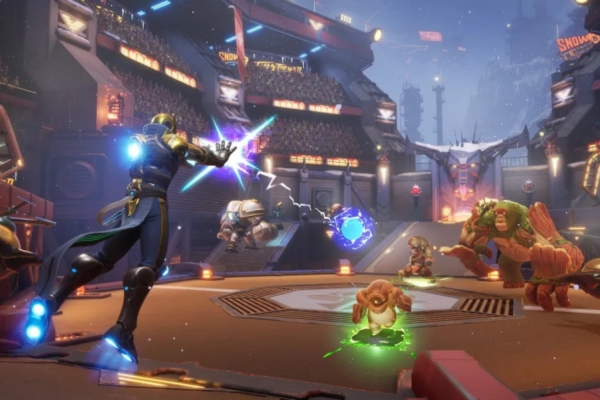
High-quality graphics and gameplay in crypto gaming have improved significantly, especially as experienced studios and mainstream developers enter the space. Historically, many blockchain games were criticised for basic visuals and shallow gameplay, because the focus was on token mechanics. That is changing. Better-funded projects are now competing on production quality, including smoother animation, richer environments, and more sophisticated combat or progression systems. The strongest titles aim to stand alongside traditional PC and console experiences, rather than feeling like a crypto product with a game attached.


Graphics alone are not enough, though. Gameplay quality usually comes down to responsiveness, balance, matchmaking, content depth, and how well the game rewards skill. A visually impressive game can still fail if it is repetitive or poorly balanced. The best experiences combine strong art direction with meaningful mechanics, such as deep PvP, engaging PvE, crafting and progression, or compelling narratives.


When choosing a high-quality blockchain game, look for evidence of polish: stable performance, clear UI, thoughtful tutorials, and regular content updates. Also consider whether blockchain elements interrupt the experience. A great game should not force constant wallet approvals or slow transactions just to play. The best-designed titles keep blockchain mostly in the background, so the experience feels smooth, with ownership and rewards handled sensibly behind the scenes.


free crypto games Production quality is rising as experienced studios enter the space.

free crypto games Gameplay depth matters more than visuals alone.

free crypto games Look for polish: stability, UI clarity, and consistent updates.

free crypto games Strong titles reduce friction by keeping blockchain steps minimal.

free crypto games A good crypto game should feel like a great game first, and a crypto product second.

Crypto_Games

In most crypto games, a wallet is the key that lets you hold, use, and prove ownership of your in-game assets. Some games offer “guest” accounts or custodial wallets to make onboarding easier, but if you want true ownership of tokens and NFTs, you will usually need a non-custodial wallet where you control the private keys. A custodial wallet is managed by a company or platform, which can feel simpler, but it also means you are relying on a third party for access and withdrawals. A non-custodial wallet gives you more control and portability, but it also comes with responsibility, because losing your recovery phrase can mean losing access permanently.


For most players, the best approach is to use a dedicated gaming wallet that is separate from any long-term holdings. That reduces risk if you connect to a malicious site or approve a harmful transaction. Many players start with a browser wallet for convenience, then add a hardware wallet later for stronger security once they begin holding higher-value assets. It is also worth checking which blockchain the game uses, because some wallets are better suited to certain networks. Finally, learn the basics of permissions and approvals, because many scams rely on players clicking “approve” without understanding what they are granting.


crypto_games_bonus_code A wallet is usually required to own tokens and NFTs in crypto games.

crypto_games_bonus_code Non-custodial wallets offer true ownership, but require careful security.

crypto_games_bonus_code Custodial wallets are simpler, but involve trusting a third party.

crypto_games_bonus_code Use a separate gaming wallet to limit exposure if something goes wrong.

crypto_games_bonus_code Learn approvals and permissions before connecting to new games or marketplaces.

Crypto_Games

Gas fees are transaction costs paid to a blockchain network to process actions like buying an NFT, transferring tokens, crafting an item, or listing something on a marketplace. Think of them as the “network fee” that keeps the system running, rather than a charge set by the game itself. Gas fees vary depending on the blockchain used and how busy the network is at the time. On some networks, fees can be low and predictable. On others, they can spike during periods of heavy demand, making small transactions uneconomical.


In crypto gaming, gas fees matter because they can quietly erase earnings. A player might earn a modest token reward, then discover that claiming it, swapping it, or moving it to an exchange costs more than the reward itself. Fees can also affect trading behaviour. If it costs too much to list or transfer items, players trade less, which can reduce marketplace activity and liquidity. Some games solve this by using networks designed for lower fees, batching transactions, or handling some actions off-chain while still providing on-chain ownership for major assets.


The most practical habit is to treat fees as part of the game’s “cost of participation”. Before you play, check what actions require transactions, how often you expect to perform them, and whether the network has predictable costs. If you are profit-focused, aim for games that minimise on-chain clicks, offer efficient marketplaces, and provide clear fee visibility.


safe blockchain games Gas fees are network costs for processing blockchain transactions.

safe blockchain games Fees vary by network and can spike when demand is high.

safe blockchain games Small rewards can be wiped out if claiming or swapping costs too much.

safe blockchain games High fees can reduce trading and weaken in-game marketplace activity.

safe blockchain games Choose games and networks that keep transactions efficient and transparent.

Crypto_Games

Cashing out is usually a multi-step process, and doing it safely is about reducing mistakes and avoiding scams. First, you need to confirm what you actually earned. Some rewards are tokens that you can transfer and swap, while others are NFTs that must be sold on a marketplace before you can realise value. Next, you need to decide where you want the funds to end up, such as a stablecoin, a long-term holding asset, or a fiat withdrawal through an exchange. The safest route is often to move rewards from your gaming wallet to a reputable exchange account you control, then swap and withdraw from there. If you prefer not to use an exchange, you can sometimes cash out through decentralised swaps, but that requires more care around fake tokens, malicious contracts, and address errors.


A key safety rule is to verify every address and every site. Many losses happen when players copy the wrong wallet address, use a fake marketplace link, or approve a transaction that drains assets. Use official links from trusted sources, double-check URLs, and avoid clicking random “support” messages. Start with a small test transfer before moving larger amounts, especially when using a new chain or a new withdrawal method. Also be aware of hidden costs, including gas fees, marketplace fees, spreads, and conversion charges, because “cash out” value is often lower than the headline token price.


Finally, keep records of transactions. Even if you are only cashing out occasionally, tracking what you earned, when you earned it, and what you converted it into will save time later.


low_risk_crypto_games Cashing out may involve selling NFTs, swapping tokens, then withdrawing funds.

low_risk_crypto_games Use reputable exchanges or well-known swap tools, and verify links carefully.

low_risk_crypto_games Always test with a small transfer before moving larger amounts.

low_risk_crypto_games Watch fees, spreads, and marketplace charges, because they reduce net returns.

low_risk_crypto_games Keep transaction records so you can track earnings, conversions, and withdrawals.

Crypto_Games

Tax treatment varies depending on where you live, and it can also vary based on how rewards are earned and used. In many jurisdictions, crypto gaming rewards can be considered taxable when you receive them, when you sell them, or when you convert them into another asset. NFTs can add complexity because value is not always obvious at the moment you earn an item, and prices may be based on the market at the time of sale rather than the time of receipt. Even if you are not sure how your local rules apply, the practical best practice is simple: keep clear records from the start.


Good recordkeeping includes the date you earned the reward, what you earned, the wallet address involved, and what you did with the asset afterward. If you swap tokens, sell an NFT, or move funds between wallets, keep those transaction details too. Many players underestimate how quickly transaction history becomes confusing, especially when multiple games, marketplaces, and networks are involved. Keeping a basic log means you can calculate profits and losses more accurately, respond to questions if they arise, and avoid guesswork later.


If you plan to build serious earnings, it is wise to consult a qualified tax professional in your jurisdiction. Crypto rules can be strict, and misunderstandings can be costly. Even if you do not owe anything, having organised records can protect you and reduce stress. For content aimed at a global audience, it is best to encourage readers to check local guidance, because a one-size-fits-all answer does not exist.


games_coins  Tax rules differ by location and may apply at receipt, sale, or conversion.

games_coins NFTs can be harder to value, which makes recordkeeping more important.

games_coins Keep a log of earnings, swaps, sales, transfers, and wallet addresses used.

games_coins Multiple games and marketplaces can create messy histories without tracking.

games_coins Consider professional advice if earnings become meaningful or complex.

Advertise

Advertising with us puts your brand in front of a highly engaged crypto audience actively looking for exchanges, tools, and opportunities they can trust. 

About Us

Discover top-rated crypto exchanges with expert news, honest reviews, exclusive promotions, and discounts, sign up to our newsletter to stay ahead of the game. – Always remember to Responsible Gambling

Top Rated Crypto Exchanges ©  2024 2025 . All Rights Reserved. + 18+ Play responsibly. Offers subject to T&Cs. Check availability in your region.