Crypto Trading

Futures & Trading

Crypto Futures Trading for Beginners

Understand futures, control leverage, and learn how to trade crypto with structure instead of stress. Crypto futures trading has grown rapidly as traders look for more flexible ways to engage

More Future & Trading News

The Best Time to Trade Crypto

The Best Time to Trade Crypto: Timing, Market Cycles, and Smarter Decisions Timing is one of the most underestimated skills in cryptocurrency trading. Many traders focus heavily on indicators, strategies,

Crypto trading is more than just buying low and selling high. It is a constantly evolving discipline that combines market analysis, risk management, technology understanding, and an appreciation for how global markets operate around the clock. Today’s crypto trading landscape offers unprecedented access for anyone with an internet connection, but it also comes with real challenges that many traders overlook. From exchange selection to risk strategies, and from fee structures to regulatory change, knowing how each part works is essential if you want to trade responsibly and effectively.

Popular Crypto Currencies

Bitcoin

Bitcoin

Ethereum

Ethereum

Tether

Tether

BNB

BNB

XRP

XRP

USDC

USDC

Solana

Solana

TRON

TRON

Dogecoin

Dogecoin

Cardano

Cardano

What is Crypto Trading?

Crypto trading is the activity of buying, selling or speculating on the price movements of cryptocurrencies such as Bitcoin, Ethereum and other digital assets. At its simplest, it involves purchasing a coin at one price and selling it later at a higher price to capture profit, or selling with the expectation the price will fall and then buying back at a lower price to profit from the drop. Unlike traditional financial markets that operate on set hours, crypto markets are open around the clock, with prices affected by global events, market sentiment and liquidity conditions. 

Crypto trading can be done in different ways. You might buy actual cryptocurrency on an exchange and hold it in a wallet, or you could choose to speculate on its price using derivative products such as contracts-for-difference (CFDs) without owning the underlying asset. Both approaches have risks and rewards: owning the asset gives you direct ownership and potential utility, while derivatives often allow you to go “short” or use leverage to amplify exposure.

Because crypto assets are highly volatile, price movements can be large and rapid – this creates opportunities for profit but also significant risk. Successful crypto trading typically combines market analysis (technical and fundamental), a solid understanding of risk management, and disciplined execution. Novice traders are often advised to start with spot trading before moving to more complex strategies that involve margin or futures products.

crypto+trading+platform Crypto trading is buying, selling or speculating on digital currency price movements.

crypto+trading+platform It can involve owning the coins or using derivative instruments like CFDs.

crypto+trading+platform Markets operate 24/7 with high volatility, requiring strategy and risk control.

crypto_trading
crypto_trading

What is a Crypto Trading Platform?

A crypto trading platform is an online marketplace where users can buy, sell and exchange cryptocurrencies. These platforms match orders between buyers and sellers, allowing digital assets to be traded either for other cryptocurrencies or for traditional fiat currencies such as USD, EUR or GBP. In many ways, they function similarly to stock exchanges but are specifically designed for digital assets. 

Crypto trading platforms vary in how they operate. Centralised exchanges (CEXs) are run by companies that hold user assets, process trades and usually require user verification as part of regulatory compliance. Decentralised exchanges (DEXs), on the other hand, allow users to trade directly from their wallets using smart contracts, without depositing funds into a central authority’s custody. 

Beyond simple trading, most platforms offer additional features such as advanced charting, market data, order books, staking, lending, derivatives, and APIs for algorithmic trading. Depending on the platform, you might also find educational content, portfolio tools, and investor protection measures. A good trading platform should balance ease of use, security, liquidity and support for the assets you want to trade.

crypto+trading+platform A crypto trading platform connects buyers and sellers to trade digital currencies.

crypto+trading+platform Platforms can be centralised (CEX) or decentralised (DEX), each with different custody models.

crypto+trading+platform Advanced features often include tools for analysis, order execution, and broader financial products.

Expanding on Crypto Trading & Crypto Trading Platforms

Crypto trading and the platforms that support it form the backbone of the modern digital asset market. While the idea of buying low and selling high is often used to describe trading, the reality is far more nuanced. Crypto trading takes place in a global, 24/7 market where prices react instantly to news, regulation, technology updates, and shifts in investor sentiment. Successful trading requires an understanding of market behaviour, liquidity, volatility, and how different assets respond under varying conditions. It also demands discipline, as emotional decisions and overexposure to risk are among the most common reasons traders lose money.

Crypto trading platforms play a critical role in this process. They provide access to live markets, price data, order execution, and risk management tools that allow traders to act efficiently. At the same time, the choice of platform can directly affect outcomes. Fees, spreads, execution speed, security standards, and regulatory compliance all influence the real cost and safety of trading. As the crypto ecosystem continues to mature, platforms are also evolving, offering advanced analytics, automation tools, and more transparent reporting. Understanding how crypto trading works alongside the platforms that enable it is essential for anyone who wants to trade responsibly, manage risk effectively, and navigate an industry that continues to change at speed.

Key aspects of crypto trading and trading platforms to understand:

crypto_trading_platforms_in_india Markets operate 24/7 with high volatility and rapid price movement

crypto_trading_platforms_in_india Platform choice affects fees, execution speed, and overall risk

crypto_trading_platforms_in_india Risk management is as important as market analysis

crypto_trading_platforms_in_india Technology and tools shape trading efficiency and outcomes

crypto_trading_platforms_in_india Regulation and platform standards continue to evolve globally

crypto_trading
crypto_trading

The Role of Crypto Trading Platforms

Crypto trading platforms play a central role in making cryptocurrency markets accessible, functional, and liquid for everyday users. They act as the bridge between traditional finance and digital assets, allowing people to buy, sell, trade, and manage cryptocurrencies in a structured and user-friendly environment. Without these platforms, most users would struggle to access reliable pricing, execute trades efficiently, or convert crypto back into traditional currencies. Trading platforms also help standardise processes such as order matching, price discovery, security controls, and compliance, which adds stability to what can otherwise be a highly volatile market. For beginners, they simplify complex blockchain interactions, while for experienced traders they provide advanced tools, deeper liquidity, and faster execution. In short, crypto trading platforms are the infrastructure that keeps the global crypto economy functioning day to day.

crypto+trading+platforms+australia Provide access to buying, selling, and trading cryptocurrencies

crypto+trading+platforms+australia Enable price discovery through active markets and liquidity

crypto+trading+platforms+australia Offer tools for managing portfolios and executing trades

crypto+trading+platforms+australia Bridge traditional currencies with digital assets

crypto+trading+platforms+australia Support security, compliance, and user protections

Why Security Should Be Your First Concern

Security is the single most important factor when choosing a crypto trading platform. In crypto, transactions cannot be reversed and there is no central authority that can recover funds if something goes wrong. That means both the platform you choose and the way you manage your account directly affect your safety. Reputable trading platforms protect users through multiple layers, such as storing most customer funds offline, enforcing two-factor authentication, monitoring unusual activity, and carrying out regular audits. These measures exist to reduce the risk of hacks, insider misuse, or operational failures.

Security is not just about technology, it is also about trust. Many experienced traders prioritise a platform’s track record and transparency over low fees or flashy features. A reliable exchange allows traders to focus on strategy rather than worrying about whether their funds are safe. On a personal level, good habits like using strong passwords, enabling security features, and separating trading funds from long-term holdings further reduce risk.

crypto+trading+platform Strong platforms use cold storage to protect most client funds

crypto+trading+platform Two-factor authentication adds an extra layer of account security

crypto+trading+platform Proof-of-reserves builds trust through transparency

crypto+trading+platform Traders often keep only active funds on exchanges

crypto+trading+platform Personal security habits are just as important as platform security

crypto_trading
crypto_trading

Fees, Liquidity, and Why They Matter

Every crypto trade comes with costs, even when they are not immediately obvious. Trading platforms typically charge fees per transaction, often based on whether you add or remove liquidity. Some use tiered fee structures that reward higher trading volume, while others include costs within the price spread between buying and selling. Over time, these fees can significantly impact profitability, especially for frequent traders. Understanding how a platform charges fees helps you plan trades more accurately and avoid unpleasant surprises.

Liquidity is just as important as fees. A liquid market has enough buyers and sellers to allow trades to execute smoothly at expected prices. Low liquidity can cause slippage, where orders fill at worse prices than planned. This can be costly during volatile market conditions or when placing larger trades. Platforms with strong liquidity generally provide more stable pricing and better execution.

crypto+trading+platform Trading fees can vary based on volume and order type

crypto+trading+platform Hidden costs may exist within spreads and withdrawals

buy+cryptocurrency High liquidity helps trades execute at expected prices

buy+cryptocurrency Low liquidity increases slippage risk

buy+cryptocurrency Fee transparency supports better trading decisions

Spot Trading, Margin Trading, and Derivatives Explained Simply

Most people start crypto trading with spot markets. Spot trading means buying or selling actual cryptocurrencies and owning them directly. This approach is straightforward and easier to understand, making it suitable for beginners. You buy an asset, hold it if you choose, and sell it later based on price movement. Spot trading carries fewer risks compared to leveraged products, as you cannot lose more than your initial investment.

Margin trading and derivatives are more advanced tools. These allow traders to borrow funds or trade contracts that track price movement without owning the asset. While this can amplify gains, it also increases losses, sometimes very quickly. Without a clear understanding of leverage, margin requirements, and liquidation rules, traders can lose capital faster than expected. Beginners are generally advised to master spot trading before exploring advanced products.

buy+cryptocurrency Spot trading involves owning the cryptocurrency directly

buy+cryptocurrency Margin trading uses borrowed funds to increase exposure

buy+cryptocurrency Derivatives track price without asset ownership

buy+cryptocurrency Leverage increases both gains and losses

how+to+buy+cryptocurrency+for+beginners Beginners should start with spot markets first

crypto_trading
crypto_trading

Risk Management: The Key to Long-Term Trading

Risk management is what keeps traders in the market over the long term. No strategy wins all the time, and losses are unavoidable. The goal is not to avoid losses entirely, but to control them so they do not outweigh gains. Basic risk management techniques include limiting how much capital is used per trade, setting stop-loss orders, and avoiding emotional decision-making during market swings.

Professional traders plan every trade before entering. They know where they will exit if the trade fails and where they will take profit if it succeeds. This structure removes guesswork and helps traders stay disciplined. In volatile crypto markets, risk management is often more important than predicting price direction.

how+to+buy+cryptocurrency+for+beginners Limit the amount risked on each trade

how+to+buy+cryptocurrency+for+beginners Use stop-loss orders to control downside

how+to+buy+cryptocurrency+for+beginners Avoid emotional trading decisions

how+to+buy+cryptocurrency+for+beginners Plan entries and exits in advance

how+to+buy+cryptocurrency+for+beginners Discipline matters more than constant activity

Strategy, Psychology, and Staying Disciplined

Crypto markets operate continuously, which can tempt traders to overtrade or react emotionally. Sharp price movements often trigger fear or greed, leading to rushed decisions. A clear strategy helps traders stay focused and avoid chasing losses or jumping into trades without preparation. Successful traders treat trading as a process rather than a thrill. They review performance, follow rules, and step back when emotions rise. Discipline and patience often matter more than finding the perfect trade setup.

crypto trading for beginners Emotional control is essential

crypto trading for beginners A clear strategy reduces impulsive decisions

crypto trading for beginners Overtrading increases risk

crypto trading for beginners Reviewing performance improves consistency

crypto trading for beginners Patience supports better outcomes

crypto_trading
crypto_trading

Using Crypto Promotions the Smart Way

Crypto promotions can add value, but they should never outweigh the fundamentals that keep your funds safe and your trades executing properly. Fee discounts, deposit bonuses, cashback, and referral rewards can reduce costs, but they’re marketing tools designed to influence behaviour. If a platform has weak liquidity, unreliable withdrawals, poor support, or a history of outages, a generous bonus is rarely worth the added risk. The best approach is to shortlist platforms based on security and performance first, then treat promotions as a small extra.

Most promotions come with conditions that change what they’re really worth. A “£50 bonus” might require a minimum deposit, a holding period, or a trading volume target. Fee rebates can be limited to certain markets or time windows. Cashback may be capped or paid in a platform token that can fluctuate. That’s why experienced traders read the terms before committing funds. Promotions should fit your existing trading habits, not push you into trading more than planned or taking on leverage you wouldn’t normally use.

buy cryptocurrency online Use promotions as a tie-breaker, not the main reason to choose a platform

buy cryptocurrency online Check terms for volume targets, caps, time limits, and withdrawal rules

buy cryptocurrency online Put security, liquidity, and reliability ahead of any bonus

buy cryptocurrency online Work out the real value based on how you trade, not the headline figure

buy cryptocurrency online Avoid offers that pressure you into higher risk or unnecessary trading

Common Questions About Crypto Trading & Crypto Trading Platforms

Top Rated Crypto ExchangesBefore you start crypto trading, or choose a crypto trading platform, take a moment to read our FAQs. Crypto markets run 24/7 and can move fast, so it’s easy to act on hype instead of facts. Our Crypto FAQs explain the basics in plain English, including how exchanges work, the real impact of fees and spreads, why liquidity matters, and the security steps that protect your account and funds. Crypto trading carries real financial risk. Prices can rise or fall sharply in minutes, and losses can add up quickly, especially if you trade frequently or use leverage. Reading the Frequently Asked Questions, first will help you compare platforms properly, understand what to expect before you deposit, and make more informed decisions based on your goals, budget, and risk tolerance.

how to buy cryptocurrencyTrading cryptocurrency is basically buying and selling coins on a crypto trading platform (usually an exchange or a broker-style crypto trading app) with the aim of profiting from price moves. For crypto trading for beginners, the biggest win is keeping it simple: choose a reputable platform, secure your account, start with small amounts, and learn how orders work before you size up. The “best place to buy cryptocurrency” depends on where you live, what coins you want, fees, and how much you value features like advanced charts, staking, or instant card purchases. If you are comparing the best platform to buy cryptocurrency, focus on security controls, liquidity, and fee transparency first, then look at extras like crypto promotions.


A sensible start looks like this: pick an exchange, complete verification if required, deposit funds, then buy crypto using a simple “buy” flow or a spot market. From there, you can practise buying and selling cryptocurrency with limit orders, and only later explore tools like a crypto trading bot if you understand the risks and permissions involved. Kraken’s own trading rules describe how market and limit orders behave in the order book, including the reality that market orders can face slippage in fast markets.


crypto+trading+platforms+uk Choose a regulated, reputable crypto trading platform with clear fees

crypto+trading+platforms+uk Turn on 2FA, use a strong password, and lock down your email

crypto+trading+platforms+uk Start with spot trading, learn market vs limit orders, then scale slowly

crypto+trading+platforms+uk Test a small buy crypto and sell crypto cycle to understand fees and withdrawals

crypto+trading+platforms+uk Treat crypto trading bots as advanced tools, not shortcuts to profit

how to buy cryptocurrency

People trade crypto because it is accessible, fast-moving, and open 24/7, which creates frequent opportunities for short-term strategies. Unlike many traditional markets, crypto trading never really “closes”, so traders can react to news, macro shifts, and sentiment changes at any time. That constant activity is exactly why crypto attracts active traders, but it is also why it can punish beginners who trade emotionally or oversize positions.


A second major benefit is choice. You can trade major assets like Bitcoin and Ethereum, or rotate into smaller projects when market narratives change. Many platforms also offer tools that traditional investors associate with professional trading, such as advanced order types, depth charts, and API access. That said, the benefits only hold if your platform is reliable and liquid, and if your risk management is realistic. Crypto’s volatility can turn “opportunity” into losses very quickly, so the best traders treat this like a discipline, not a gamble. Promos can reduce costs, but they do not change the underlying risk of the market.


crypto+trading+platforms+australia 24/7 markets mean more flexibility, but also more discipline required

crypto+trading+platforms+australia High volatility creates opportunity, and it increases downside risk too

crypto+trading+platforms+australia Wide asset choice, from blue chips to emerging tokens

crypto+trading+platforms+australia Modern platforms offer pro tools, charting, and automation options

crypto+trading+platforms+australia Strong risk management is what turns “benefit” into sustainable results

how to buy cryptocurrency

Crypto trading usually refers to spot trading, where you buy and sell the actual cryptocurrency and you own it once purchased. Futures trading is different: you are trading a contract that tracks the price of a coin, often with leverage, and you do not need to hold the underlying asset. That difference matters because futures add extra moving parts like funding rates, liquidation rules, margin requirements, and contract specifications. It can feel like “more power”, but it is also more ways to get it wrong.


Futures are often used for hedging (protecting a spot position), shorting (profiting from a drop), or increasing exposure with leverage. Kraken’s derivatives fee guidance explains the maker vs taker concept in futures markets, and highlights that fees and mechanics apply at the contract level, not just the coin itself. If you are a beginner, spot is usually the more straightforward place to learn order types, fees, and risk control, before you introduce leverage and liquidation risk.


crypto+trading+platforms+america Spot trading involves owning the coin, futures involve contracts

crypto+trading+platforms+america Futures can use leverage, which increases both gains and losses

crypto+trading+platforms+america Futures enable shorting and hedging more directly than spot

crypto+trading+platforms+america Futures introduce liquidation risk, funding, and margin rules

crypto+trading+platforms+america Beginners usually learn faster and safer on spot first

how to buy cryptocurrency

People trade crypto because it is accessible, fast-moving, and open 24/7, which creates frequent opportunities for short-term strategies. Unlike many traditional markets, crypto trading never really “closes”, so traders can react to news, macro shifts, and sentiment changes at any time. That constant activity is exactly why crypto attracts active traders, but it is also why it can punish beginners who trade emotionally or oversize positions. A second major benefit is choice. You can trade major assets like Bitcoin and Ethereum, or rotate into smaller projects when market narratives change. Many platforms also offer tools that traditional investors associate with professional trading, such as advanced order types, depth charts, and API access. That said, the benefits only hold if your platform is reliable and liquid, and if your risk management is realistic. Crypto’s volatility can turn “opportunity” into losses very quickly, so the best traders treat this like a discipline, not a gamble. Promos can reduce costs, but they do not change the underlying risk of the market.


United Kingdom 24/7 markets mean more flexibility, but also more discipline required

United Kingdom High volatility creates opportunity, and it increases downside risk too

United Kingdom Wide asset choice, from blue chips to emerging tokens

United Kingdom Modern platforms offer pro tools, charting, and automation options

United Kingdom Strong risk management is what turns “benefit” into sustainable results

how to buy cryptocurrency

Crypto trading usually refers to spot trading, where you buy and sell the actual cryptocurrency and you own it once purchased. Futures trading is different: you are trading a contract that tracks the price of a coin, often with leverage, and you do not need to hold the underlying asset. That difference matters because futures add extra moving parts like funding rates, liquidation rules, margin requirements, and contract specifications. It can feel like “more power”, but it is also more ways to get it wrong.Futures are often used for hedging (protecting a spot position), shorting (profiting from a drop), or increasing exposure with leverage. Kraken’s derivatives fee guidance explains the maker vs taker concept in futures markets, and highlights that fees and mechanics apply at the contract level, not just the coin itself. If you are a beginner, spot is usually the more straightforward place to learn order types, fees, and risk control, before you introduce leverage and liquidation risk.


uk Spot trading involves owning the coin, futures involve contracts

uk Futures can use leverage, which increases both gains and losses

uk Futures enable shorting and hedging more directly than spot

uk Futures introduce liquidation risk, funding, and margin rules

uk Beginners usually learn faster and safer on spot first

how to buy cryptocurrency

A crypto trading platform is where you place trades, view prices, and convert between assets. It can be an exchange (order book marketplace) or a broker-style crypto trading app (simplified buy and sell flow). A crypto wallet is different: it is a tool for holding and using crypto, either as a custodial wallet on the platform or a self-custody wallet where you control the private keys. The key difference is control. On many platforms, your “wallet” inside the exchange is custodial, meaning the company controls the keys and you access funds via your account. With a self-custody wallet, you control the keys, which increases responsibility. A trading platform is designed for execution and liquidity, while a wallet is designed for storage and transactions. Most serious traders use both: they keep trading capital on-platform for speed, and store long-term holdings off-platform for safety. Proof-of-reserves reporting can add transparency on whether a platform holds assets to back customer balances, but it does not replace smart personal security habits.


usa Platforms are for trading, wallets are for holding and sending crypto

usa Custodial wallets are convenient, self-custody gives you control

usa Traders often split funds: trade on-platform, store long-term off-platform

usa Wallet security is your responsibility if you control the keys

usa Proof-of-reserves helps transparency, but it is not a full guarantee

how to buy cryptocurrency

A crypto trading platform is where you place trades, view prices, and convert between assets. It can be an exchange (order book marketplace) or a broker-style crypto trading app (simplified buy and sell flow). A crypto wallet is different: it is a tool for holding and using crypto, either as a custodial wallet on the platform or a self-custody wallet where you control the private keys. The key difference is control. On many platforms, your “wallet” inside the exchange is custodial, meaning the company controls the keys and you access funds via your account. With a self-custody wallet, you control the keys, which increases responsibility. A trading platform is designed for execution and liquidity, while a wallet is designed for storage and transactions. Most serious traders use both: they keep trading capital on-platform for speed, and store long-term holdings off-platform for safety. Proof-of-reserves reporting can add transparency on whether a platform holds assets to back customer balances, but it does not replace smart personal security habits.


mexico Platforms are for trading, wallets are for holding and sending crypto

mexico Custodial wallets are convenient, self-custody gives you control

mexico Traders often split funds: trade on-platform, store long-term off-platform

mexico Wallet security is your responsibility if you control the keys

mexico Proof-of-reserves helps transparency, but it is not a full guarantee

how to buy cryptocurrency

Many platforms require identity verification (KYC) to comply with financial crime and consumer protection rules. In practice, this means uploading documents and sometimes completing a liveness check. Some platforms allow limited activity without full verification, but higher limits, withdrawals, or certain features often require KYC. Even when “no KYC” options exist, they can come with trade-offs like fewer payment methods, tighter limits, reduced features, or higher risk of disruption. The beginner-friendly way to approach this is to assume KYC is normal, and choose a platform that makes the process clear and secure. Verification also tends to reduce fraud and account takeover risk because it links the account to a real identity. If privacy is your priority, you can still protect yourself by using good security hygiene, a separate email, 2FA, and strong withdrawal controls. Just remember, convenience and access often come from compliance, and skipping KYC can limit what you can do later, especially when you want to withdraw.


India KYC is common, especially for fiat deposits and withdrawals

India No-KYC options may have limits and fewer protections

India Verification can reduce fraud and support account recovery

India Use 2FA and a secure email regardless of KYC status

India Choose platforms with clear, transparent onboarding steps

how to buy cryptocurrency

Proof of reserves is a transparency method used by exchanges and custodians to show they hold assets that match customer balances, typically using cryptographic techniques. A common approach uses a Merkle tree structure so customers can verify inclusion of their balance in an aggregated snapshot, without exposing everyone else’s data. This matters because it reduces blind trust, and it can help users assess whether a platform is operating with full backing or risky mismatches. That said, proof of reserves is not a perfect safety stamp. It can show assets at a point in time, but it may not fully capture liabilities, loans, or operational risks unless paired with stronger disclosures and audits. The practical takeaway is simple: proof of reserves is a positive signal, especially when it is frequent, independently checked, and clearly explained. But you should still judge a platform on security controls, history, withdrawals reliability, and how it communicates during incidents. Use it as one factor in a bigger decision, not the entire decision.


how to buy bitcoin Proof of reserves helps show customer balances are backed by assets

how to buy bitcoin Merkle trees allow verification without exposing private user data

how to buy bitcoin Snapshots are time-based, they do not always show full liabilities

how to buy bitcoin Best used alongside audits, security controls, and clear reporting

how to buy bitcoin Treat it as a signal, not a guarantee

how to buy cryptocurrency

Fees usually come in four main forms: trading fees, spreads, funding or leverage-related charges (if you use derivatives), and deposit or withdrawal costs. Trading fees are commonly based on a maker/taker model, where takers pay for immediate execution and makers pay for adding liquidity to the order book. Kraken’s trading rules outline this structure and link it directly to order behaviour, for example market orders usually take liquidity while many limit orders make it. Spreads are the gap between the best buy price and best sell price. Even if headline fees look low, spreads can quietly increase your cost, especially in less liquid markets. Slippage is different: it is when your order fills at a worse price than expected because the market moved or the order book was thin, and Kraken notes it can occur on market orders depending on market conditions. Before you fund an account, check the full fee schedule, typical spreads on the coins you will trade, and withdrawal costs for your preferred networks.


bitcoins Expect trading fees, spreads, and possible deposit or withdrawal charges

bitcoins Maker/taker fees depend on whether you add or remove liquidity

bitcoins Spreads can be a hidden cost, especially on smaller coins

bitcoins Slippage is common in fast or thin markets, especially with market orders

bitcoins Always read the fee schedule before committing funds

how to buy cryptocurrency

A market order buys or sells immediately at the best available prices in the order book. It prioritises speed, not price. That is useful when you want in or out quickly, but it also means you can get a worse fill than you expected if the market is moving fast or the order size is large. Kraken’s rules note that market orders can execute across multiple price levels and that slippage may occur depending on conditions. A limit order lets you choose the price you are willing to accept. It prioritises price control, not speed. If the market never reaches your price, it may not fill. Limit orders are often preferred by beginners once they understand them, because they help avoid panic-click trades. They are also commonly associated with maker fees when they add liquidity instead of filling instantly. Over time, learning to use limit orders well is one of the simplest upgrades you can make to your trading process.


buy+cryptocurrency Market orders fill fast, but price can vary due to slippage

buy+cryptocurrency Limit orders control price, but may not fill

buy+cryptocurrency Market orders often pay taker fees, limit orders can pay maker fees

buy+cryptocurrency Limit orders help reduce emotional, rushed decisions

buy+cryptocurrency Start small while learning how orders behave in real conditions

how to buy cryptocurrency

Crypto promotions are incentives offered by platforms, such as sign-up bonuses, deposit matches, fee rebates, cashback, referral rewards, and VIP programmes. They can be worth using when they reduce genuine costs or add value you would have earned anyway. The problem is that promotions often come with conditions, such as minimum deposits, trading volume targets, time limits, restricted products, or limits on withdrawals. If you do not read the terms, you can end up “earning” a reward that is difficult to unlock, or that pushes you into trading more than you planned. The smart approach is to treat crypto promotions like optional perks, not a strategy. Choose a platform for security, liquidity, fees, and usability first, then treat promotions as a secondary benefit. If a promotion requires aggressive trading or encourages leverage before you are ready, skip it. A good promo should fit naturally into how you already plan to trade, not reshape your behaviour.


trade+cryptocurrency Promotions can reduce costs, but conditions usually apply

trade+cryptocurrency Read volume requirements, expiry dates, and withdrawal rules

trade+cryptocurrency Do not trade more just to “unlock” a reward

trade+cryptocurrency Pick platforms for fundamentals first, promos second

trade+cryptocurrency The best promos align with your existing plan, not hype

how to buy cryptocurrency

A crypto trading bot is software that automatically places trades on your behalf based on preset rules or algorithms. These bots can execute trades faster than humans and operate 24/7, which appeals to traders who cannot monitor markets constantly. Some bots follow simple strategies like buying and selling within a price range, while others use technical indicators or trend signals. For beginners, crypto trading bots can be tempting, but they are not a shortcut to guaranteed profits. Bots do exactly what they are programmed to do, including making losing trades if market conditions change. Without understanding how trading strategies work, beginners risk trusting automation they cannot properly evaluate or adjust.

Bots can be useful learning tools when used carefully with small amounts or in simulation mode. However, beginners should first learn how to trade manually. Understanding buying and selling cryptocurrency yourself helps you recognise when a bot is behaving poorly or when market conditions no longer suit the strategy.


cryptocurrency trading Bots automate trades based on rules, not judgement

cryptocurrency trading They do not remove risk or guarantee profits

cryptocurrency trading Beginners should learn manual trading first

cryptocurrency trading Always test bots with small amounts

cryptocurrency trading Poor settings can amplify losses quickly

how to buy cryptocurrency

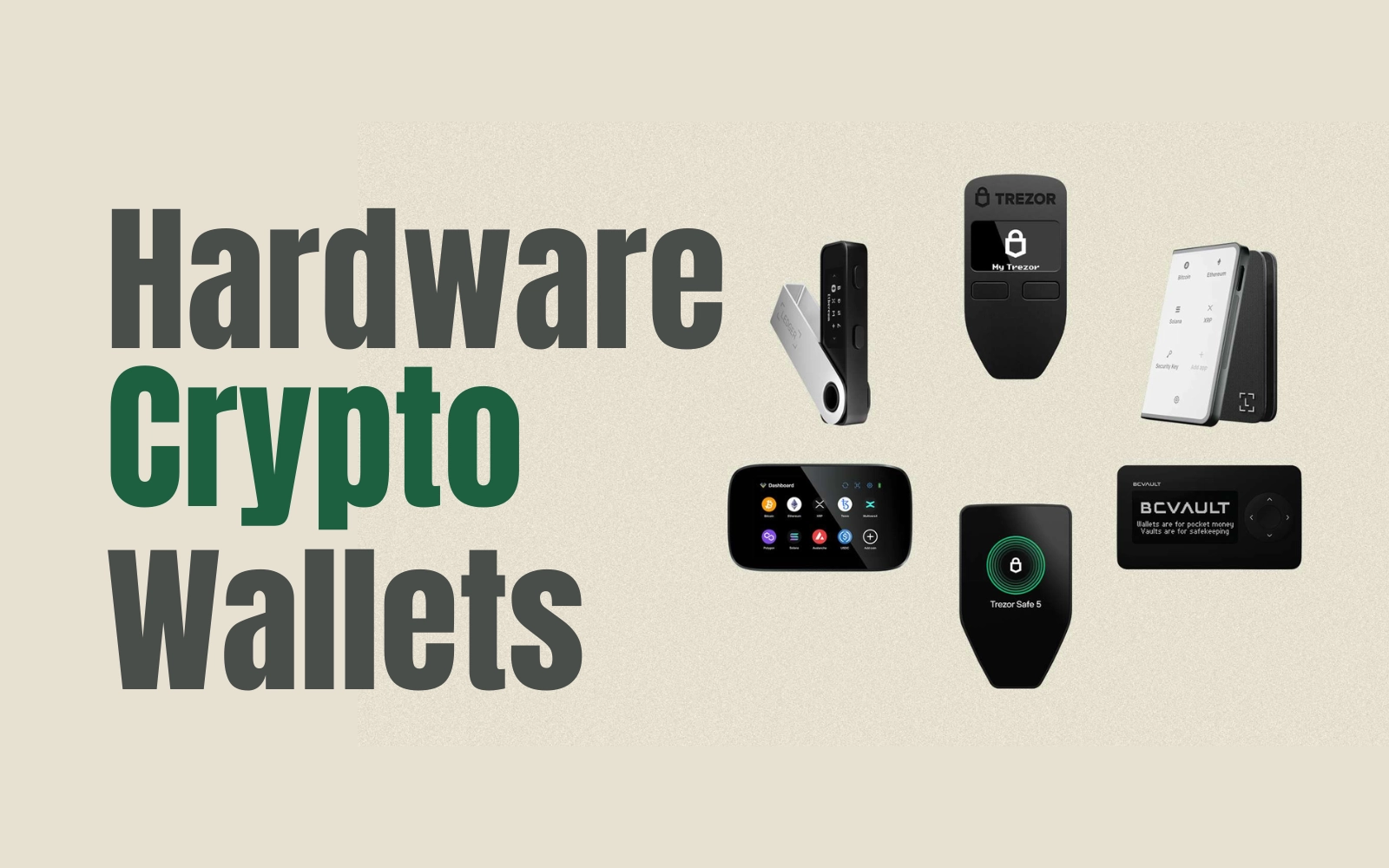
If you trade regularly, the safest approach is to separate trading funds from long-term holdings. Crypto trading platforms are designed for convenience and liquidity, not long-term storage. While reputable exchanges use cold storage and security measures, keeping large balances online always carries risk. Many traders keep only the crypto they actively trade on an exchange and move the rest to a private wallet they control. Hardware wallets and offline storage reduce exposure to hacks, phishing, and exchange failures. This approach balances flexibility with security.

It is also important to protect access points such as email accounts, passwords, and recovery phrases. Even the best storage setup can fail if account credentials are compromised.


where to trade crypto Keep trading funds and long-term holdings separate

where to trade crypto Use private wallets for assets you are not trading

where to trade crypto Enable two-factor authentication everywhere

where to trade crypto Back up recovery phrases securely offline

where to trade crypto Avoid storing large balances on exchanges

how to buy cryptocurrency

Practicing crypto trading without risking real money is one of the smartest steps beginners can take. Many crypto trading platforms offer demo accounts or paper trading modes that simulate real markets using virtual funds. These environments allow you to learn how to place orders, read charts, and understand price movements without financial pressure. Demo trading helps you understand how spreads, fees, and slippage affect results, which is often overlooked by new traders. It also allows you to test strategies and get comfortable with a crypto trading app’s interface before committing funds.

While demo trading cannot replicate emotional pressure perfectly, it provides a strong foundation. Once confident, beginners should transition to small real trades rather than jumping straight into large positions.


what is crypto trading Use demo or paper trading tools

what is crypto trading Practice order types and basic strategies

what is crypto trading Learn platform features without pressure

what is crypto trading Track results like real trades

what is crypto trading Transition slowly to real capital

how to buy cryptocurrency

Regular crypto trading involves making your own decisions about when to buy and sell cryptocurrency. Copy trading, by contrast, allows you to automatically mirror the trades of another trader. When they buy or sell, the same action happens in your account proportionally. Copy trading can be helpful for learning, but it does not remove risk. Past performance does not guarantee future results, and copied traders can make mistakes or change strategies unexpectedly. Beginners should understand that they are still responsible for losses. Used carefully, copy trading can supplement learning, but it should never replace understanding how markets work. Blindly copying trades without context can lead to poor decisions.


Types of crypto trading Copy trading mirrors another trader’s actions

Types of crypto trading It does not guarantee profits

Types of crypto trading Losses are still your responsibility

Types of crypto trading Strategy changes can affect outcomes

Types of crypto trading Learning basics is still essential

how to buy cryptocurrency

A trustworthy crypto trading platform prioritises security, transparency, and clear communication, because in crypto, trust is not a nice-to-have, it is the foundation of every trade. Look for platforms that publish clear information about how client funds are stored, whether they use cold storage, what account protection tools are available (such as two-factor authentication), and how withdrawals are handled. You should also be able to find upfront details on fees, spreads, limits, and the platform’s approach to compliance in the regions it operates in. If a platform is vague, difficult to verify, or constantly changes terms without clarity, that is usually a red flag. At Top Rated Crypto Exchanges, our team only recommends professional, vetted crypto exchanges.


That means we focus on platforms that demonstrate consistent operational standards, publish meaningful security and risk information, and have a credible track record for user experience and reliability. No platform is risk-free, but the most trustworthy exchanges make it easier to understand what you are signing up for, how your funds are protected, and what support is available if something goes wrong. Promotions can be a bonus, but transparency and protection should always come first.


Check for clear security features, including two-factor authentication and withdrawal controls

cryptocurrency trading strategy Look for transparency on storage methods, proof of reserves, and platform policies

cryptocurrency trading strategy Read the fee structure carefully, including spreads, maker and taker fees, and withdrawal charges

cryptocurrency trading strategy Avoid platforms that promise guaranteed profits or pressure you with urgency tactics

cryptocurrency trading strategy Use exchanges with an established reputation, consistent support, and clear compliance standards

Advertise

Advertising with us puts your brand in front of a highly engaged crypto audience actively looking for exchanges, tools, and opportunities they can trust. 

About Us

Discover top-rated crypto exchanges with expert news, honest reviews, exclusive promotions, and discounts, sign up to our newsletter to stay ahead of the game. – Always remember to Responsible Gambling

Top Rated Crypto Exchanges ©  2024 2025 . All Rights Reserved. + 18+ Play responsibly. Offers subject to T&Cs. Check availability in your region.