
E-MAIL: your-email@mail.com
Ledger and Trezor are still the two biggest names in hardware wallets heading into 2026, and the “top dog” title depends on what you actually do with crypto day to
 Wesley Lally
Steps, Strategies, and Safe Exit Routes Selling cryptocurrency in 2025 is no longer a niche activity reserved for early adopters and hardcore traders. It’s a normal part of modern personal


 A crypto wallet is an essential tool for anyone buying, holding, or using cryptocurrency, acting as the secure bridge between you and the blockchain where your digital assets exist. Rather than storing coins themselves, crypto wallets manage the private keys that prove ownership and authorise transactions, allowing users to send, receive, and control cryptocurrencies such as Bitcoin, Ethereum, and many others with confidence. As cryptocurrencies have evolved from niche technological experiments into globally recognised financial instruments and digital stores of value, the importance of understanding how to manage and protect these assets has grown significantly.
 Stores and protects private keys and uses public addresses to receive crypto
Software wallets are convenient for frequent use, hardware wallets are stronger for long term storage
If you lose your private key or recovery phrase, you may permanently lose access to your funds
A balanced setup often uses a hot wallet for spending and a cold wallet for savings or holdings
Treat your recovery phrase like the keys to a safe, offline storage and never share it
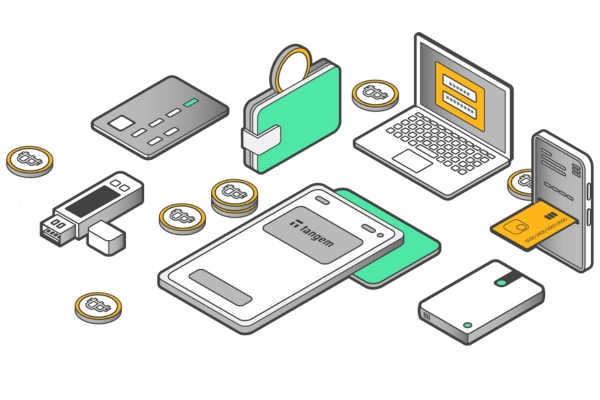
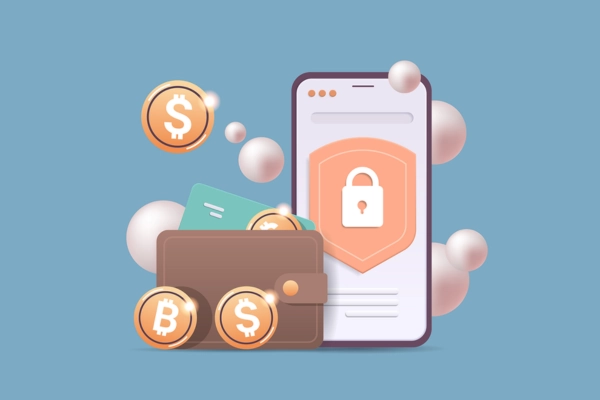
Key generation: Your wallet generates a unique pair of cryptographic keys, a public key and a private key.
Receiving funds: Your public key is used to create a wallet address that you can share to receive cryptocurrency.
Sending funds: Your private key signs transactions, proving you own the assets and authorising the transfer.
Network verification: The blockchain network checks the signature, confirms it is valid, and then records the transaction on the blockchain.
Balance update: Once confirmed, your wallet shows the updated balance based on what the blockchain records.
 Acts as proof of ownership and authorises transactions
Must never be shared with anyone
Losing it usually means permanent loss of access to funds
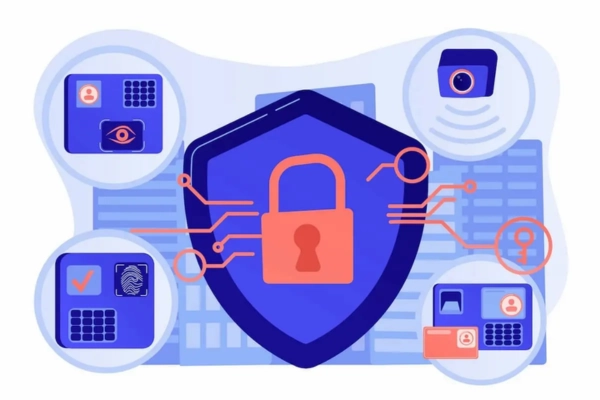
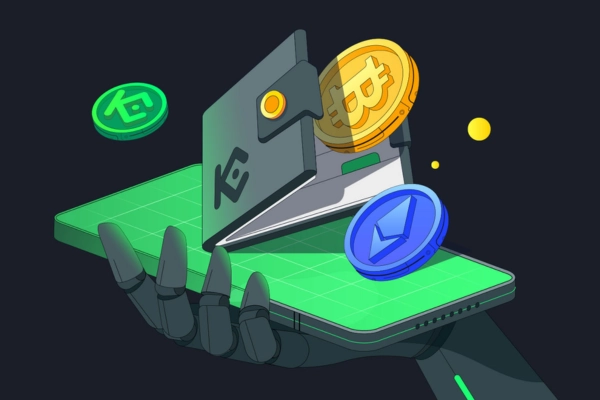
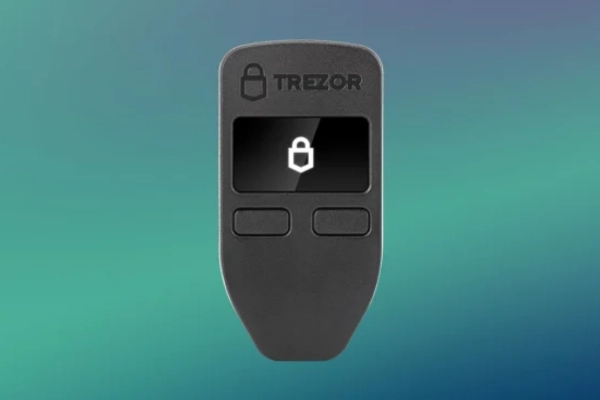
Private keys remain offline at all times
Ideal for long term storage and larger balances
Less convenient for frequent transactions
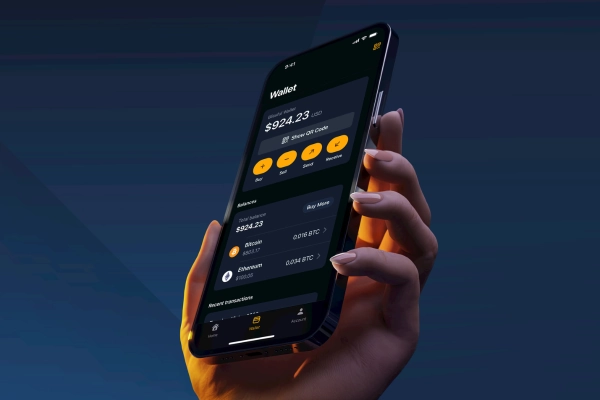
 Convenient and user friendly
Suitable for regular sending and receiving
Security depends on the device and user habits
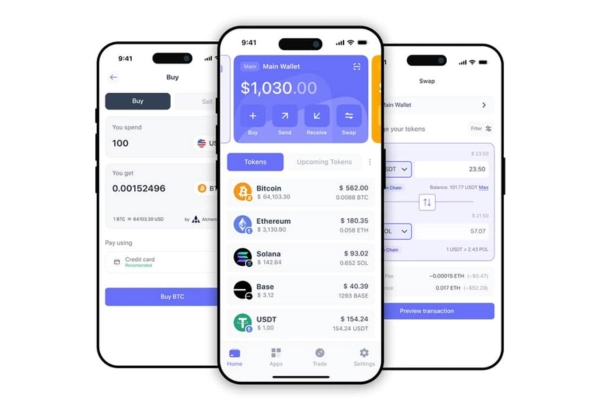
Always online for quick access
Best for small balances and frequent use
Higher exposure to online security risks
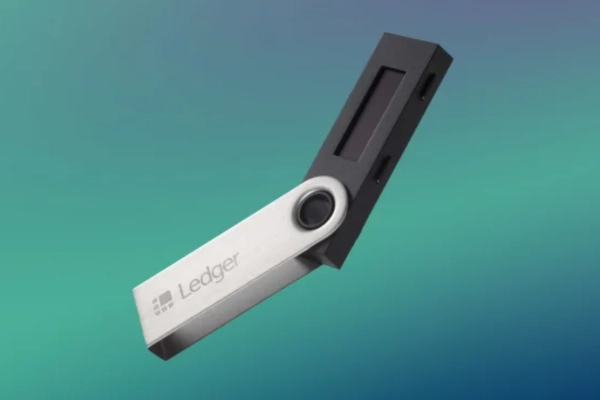
 Offline storage reduces hacking risk
Strong choice for holding crypto long term
Not designed for everyday transactions
Simple setup and recovery options
Provider controls the private keys
Less control over your funds

Full ownership and control
No reliance on third parties
Requires careful key management
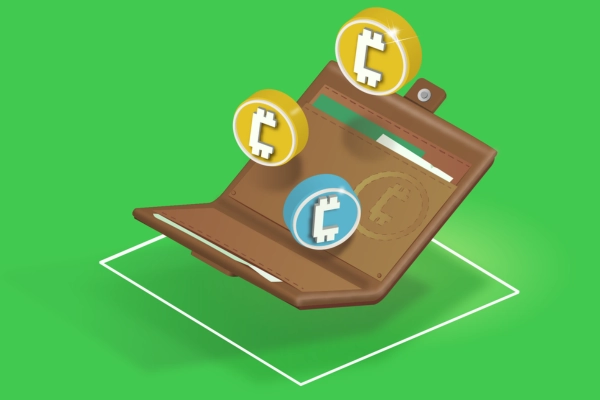
 Private keys remain offline at all times
Strong protection against online attacks
Ideal for long term storage and large balances
Transactions require physical confirmation on the device
Easy to install and user friendly
Quick access for sending and receiving crypto
Suitable for trading and frequent transactions
Often support multiple assets and networks
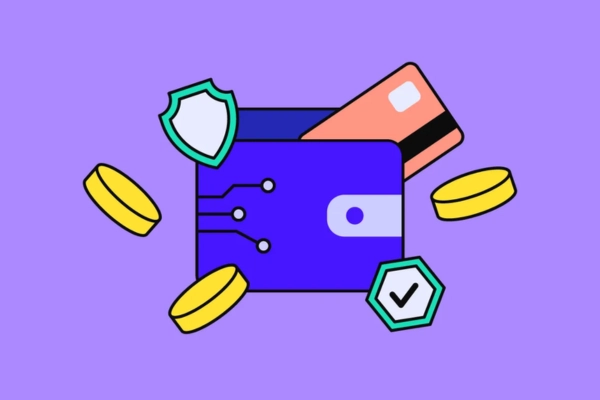
 Easy to use with minimal technical knowledge
Password recovery and account support are usually available
Suitable for beginners and frequent traders
Often integrated directly with exchanges and trading tools
Full ownership and control of private keys
No reliance on third parties to access funds
Greater privacy and resistance to platform restrictions
Direct access to decentralised services and applications
 Treat your recovery phrase like a master key, keep it offline, private, and protected from damage
Use layered security, including strong passwords, device locks, and 2FA where available
Download wallets only from official sources and verify domains carefully before connecting a wallet
Keep smaller “spending” balances in hot wallets, store larger holdings in cold storage
Watch for common traps like fake support messages, urgent popups, and lookalike websites
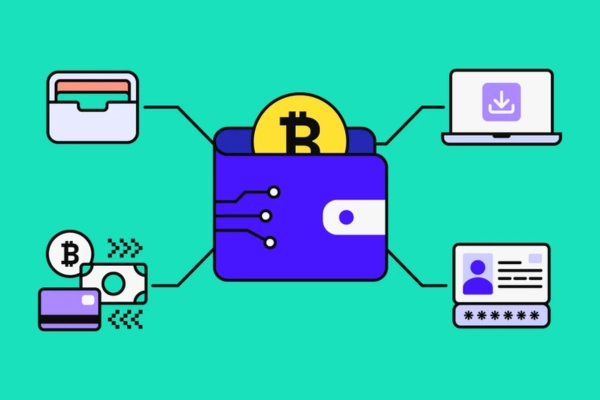
A recovery phrase is a backup that can fully restore a crypto wallet
It usually consists of 12 or 24 random words generated by the wallet
Anyone with the phrase can access and control the wallet’s funds
Losing it often means permanent loss of access to your crypto
It should never be shared, uploaded, or stored digitally
 If you transact frequently, prioritise speed and usability, but keep balances modest
If you hold long term, prioritise offline storage and strong backups
If you want simplicity, custodial may suit you, if you want control, go non-custodial
Choose wallets that support the blockchains and tokens you actually use
Plan a setup that still works if you lose a phone, change devices, or travel
Choose a clean interface with simple send and receive flows
Pick a wallet that makes exchange transfers easy
Start small, do a test transfer first
Store your recovery phrase offline, never in screenshots or cloud notes
Ignore urgent “support” messages, scams often target beginners
 MetaMask is popular for DeFi, dApps, and NFTs
Electrum supports advanced Bitcoin features, including multisig
Separate wallets for trading, long-term holds, and testing
Review token approvals and revoke access you no longer need
Add a hardware wallet for stronger signing security
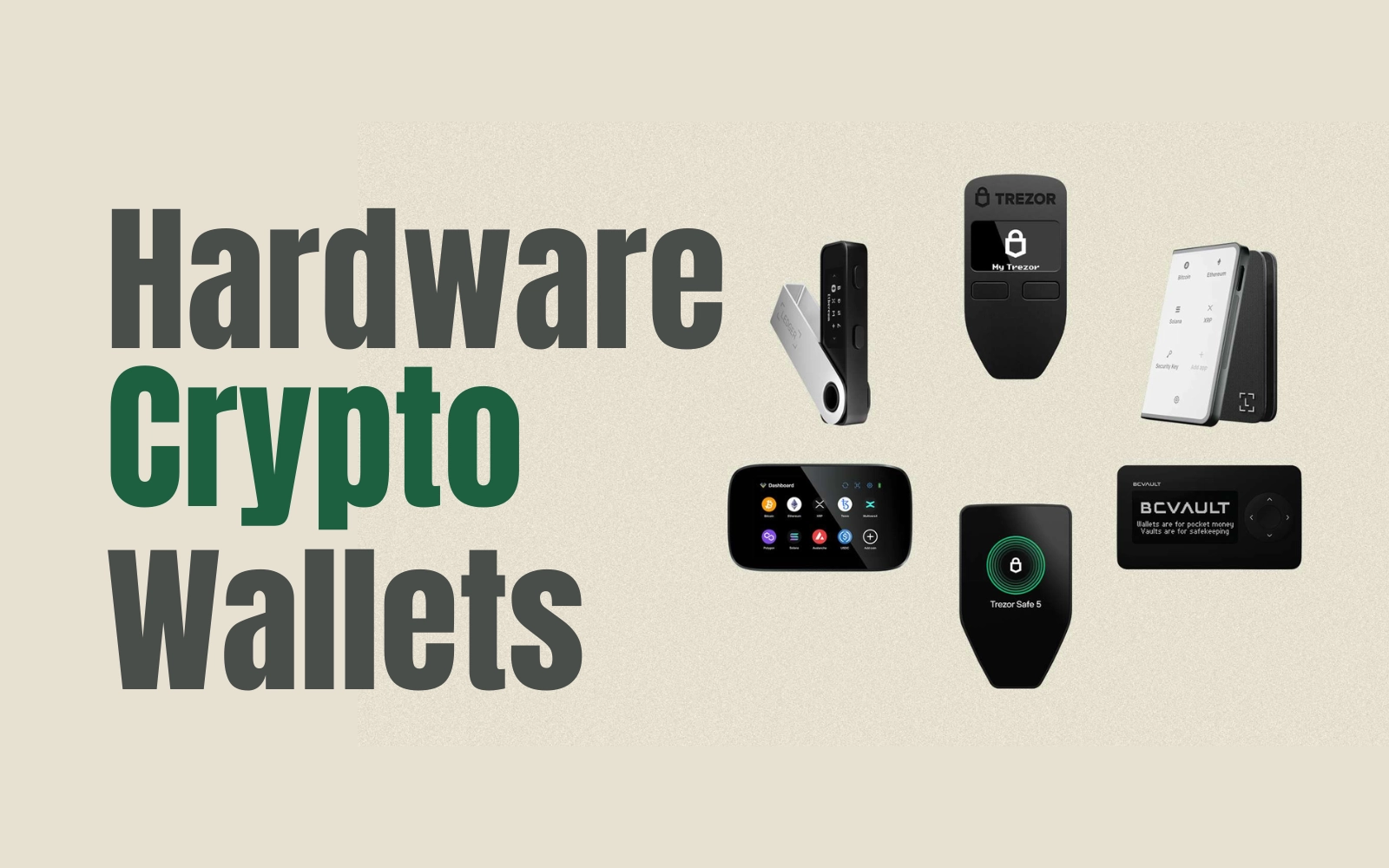
Hardware wallets store private keys offline and sign securely
Best for long-term holding and larger balances
Keep recovery phrases offline, consider a durable backup
Use a hot wallet only for spending, keep the rest in cold storage
Test recovery steps safely so you know you can restore access
 Before you start buying, storing, or using cryptocurrency, we strongly recommend taking a few moments to read through our Crypto Wallet FAQs. Wallets are the foundation of crypto ownership, because they control how you access your funds and how securely your private keys are protected. Without a clear understanding of how wallets work, it is easy to make mistakes that are difficult, and sometimes impossible, to reverse, such as sending funds to the wrong address, falling for phishing scams, or losing access by misplacing a recovery phrase. If you have any further questions, please feel free to contact the team at Top Rated Crypto Exchanges.
 There isn’t one single “best” crypto wallet for everyone, because the right choice depends on how you use crypto, how much you plan to store, and how comfortable you are taking responsibility for security. At a practical level, a wallet is a tool for managing the keys that control your assets on the blockchain, so the “best” wallet is the one that fits your habits and reduces your risks. If you want maximum control, a non-custodial wallet means you hold your own access keys, but you must protect your recovery phrase properly. If you want long-term security for larger holdings, many users prefer a hardware wallet because it keeps private keys offline and signs transactions securely without exposing the keys to an internet-connected device. If you are active in DeFi or NFTs, you may prioritise dApp connectivity and network support. A sensible approach for many people is a two-wallet setup: a cold wallet for “savings” and a hot wallet for day-to-day transactions, with only small amounts kept online.
 Pick based on your use case, trading, holding, DeFi, or payments
Prefer cold storage for larger, long-term holdings
Use hot wallets for smaller, everyday balances
Choose reputable providers and official download sources
Prioritise recovery phrase security before moving significant funds
The best Bitcoin wallet depends on whether you want simplicity, advanced control, or maximum long-term security. Bitcoin wallets create addresses to receive funds and use private keys to authorise spending, so your choice should focus on how safely you can manage those keys. If you are holding Bitcoin for the long term, a hardware wallet is commonly recommended because it keeps private keys offline, reducing exposure to malware and phishing on everyday devices. If you are a more advanced user, you might prefer a wallet that supports features such as multi-signature, which can reduce single-point-of-failure risk by requiring more than one approval method to move funds. If you want something user-friendly, you may prefer a mainstream wallet with a clear interface and strong guidance around backups. Whatever you choose, remember that Bitcoin transactions are generally irreversible, so address checks and careful verification matter.
Long-term holding usually suits hardware wallets
Advanced users may want multisig support
Beginners should prioritise simple UX and safe backup flows
 Always verify addresses carefully, transactions are typically irreversible
Choose a wallet that fits how often you move Bitcoin
If you’re new to crypto, the best wallet is usually one that is easy to navigate, makes sending and receiving feel clear, and reduces the chance of mistakes. Beginner-friendly wallets typically guide you through setup, highlight the importance of the recovery phrase, and make it easy to copy and share your receiving address without confusion. A common beginner path is to start with a reputable software wallet for small amounts, then move to a hardware wallet once you’re holding more value or want stronger long-term security. The key is not chasing features, it’s building safe habits. That means writing down your recovery phrase correctly and storing it offline, keeping your phone or computer protected with a strong passcode, and doing a small test transaction before moving larger funds. Recovery phrases are effectively the master backup for many wallets, so protecting them is the single most important beginner skill.
Start with a reputable, beginner-friendly software wallet
Keep balances small while you learn
Do a test transfer before moving larger amounts
Store your recovery phrase offline, never in screenshots or cloud notes
Upgrade to a hardware wallet as your holdings grow
“Safest” usually means the wallet setup that most reduces your exposure to online threats while still being realistic for you to use consistently. For many people, a hardware wallet is considered one of the safest options because it stores private keys offline and signs transactions without exposing the keys to an internet-connected device. That said, no wallet is “safe” if the recovery phrase is mishandled. A recovery phrase can restore the entire wallet, so anyone who gets it can take the funds, even if you’re using a hardware wallet. The safest approach is usually a combination: cold storage for long-term holdings, careful offline backups of the recovery phrase, and a small hot wallet balance for day-to-day use. If you hold assets on an exchange, your security also depends on the platform, so you’re trading simplicity for reliance on a third party.
Hardware wallets generally reduce online attack risk
Your recovery phrase security is as important as the wallet itself
Use cold storage for long-term holdings
Keep only small amounts in hot wallets
Avoid storing recovery phrases digitally or sharing them with anyone
Crypto wallets can be safe to use, but safety depends heavily on the type of wallet and your security habits. With non-custodial wallets, you control the access keys, which is empowering, but it also means you’re responsible for protecting the recovery phrase and avoiding scams. Many real-world losses happen through phishing, fake “support” messages, or counterfeit wallet apps that trick users into handing over recovery phrases. On the other hand, custodial wallets can feel simpler because there may be login recovery, but you rely on the provider’s security and policies. The safest way to use wallets is to keep your recovery phrase offline, verify websites and apps carefully, use strong device security, and keep larger holdings in cold storage.
Wallet safety is real, but user behaviour is a major factor
Never share your recovery phrase, legitimate services won’t ask for it
Use official apps and verify domains carefully
Keep larger balances in cold storage
Treat exchange custody as third-party risk
In most cases, hardware wallets are more secure than software wallets for long-term storage, because hardware wallets keep private keys offline and reduce exposure to malware and phishing on everyday internet-connected devices. Software wallets are hot by design, they live on phones, desktops, or browsers, and they are convenient for frequent transactions, but they are more exposed to threats like malicious extensions, compromised devices, and fake apps. However, “more secure” does not mean “invulnerable”. If someone obtains your recovery phrase, they can restore your wallet elsewhere and take the funds regardless of whether you used hardware or software. Hardware wallets also require safe physical storage and careful setup. The best practice many users adopt is to keep most holdings on a hardware wallet and only keep spending money in a software wallet, reducing potential damage if a phone or computer is compromised.
 Hardware wallets typically reduce online attack exposure
Software wallets are more convenient for frequent use
Recovery phrase security is critical for both types
Use a two-wallet approach for balance and risk management
Always verify transaction details before signing
A hardware wallet is a physical device designed to store private keys offline and sign transactions securely, while a software wallet is an app or programme that stores keys on an internet-connected device such as a phone, computer, or browser extension. The key difference is exposure. Software wallets are fast and convenient, but their security depends on the device they run on, meaning malware, phishing, and fake apps can be a bigger risk. Hardware wallets keep keys isolated, so even if your computer is compromised, the private keys should not be exposed, and you typically must physically confirm transactions on the device. Recovery phrases apply to both. A recovery phrase is the backup that can restore your wallet, so whoever has it can access the funds, which is why it must be stored offline and never shared.
Hardware wallet: offline key storage and secure signing
Software wallet: convenient app-based access on connected devices
Software wallets suit small balances and frequent transactions
Hardware wallets suit larger balances and long-term storage
Recovery phrase protection matters for both types
Hot wallets are connected to the internet and are designed for convenience, speed, and frequent transactions. Cold wallets keep keys offline, reducing exposure to online threats, and are typically used for long-term storage. Most software wallets are hot wallets, while hardware wallets are commonly used as cold wallets because they store private keys offline and only connect briefly to sign transactions. A key point is that “hot vs cold” is really about the attack surface. Hot wallets are more exposed to phishing, malware, and counterfeit apps, so they are best for smaller balances. Cold wallets reduce those risks, but you must store the recovery phrase safely because it can restore the wallet.
 Hot wallets: online, convenient, higher exposure to online threats
Cold wallets: offline, stronger for long-term storage
Hot wallets suit spending and active use
Cold wallets suit saving and holding larger amounts
Recovery phrase security remains essential either way
An exchange wallet can be enough for some users, especially beginners who are making small purchases and want a straightforward experience. However, it’s important to understand what you trade for convenience: in a custodial setup, the platform controls the private keys, so your access depends on that provider’s security and operational reliability. The reason many people adopt non-custodial wallets is to hold their own keys and reduce reliance on third parties, especially for long-term holdings. A practical middle ground is to keep trading balances on an exchange for liquidity and keep long-term holdings in self-custody, often using cold storage. If you choose self-custody, you must protect your recovery phrase because it restores access to the wallet and funds.
Exchange wallets are convenient, but introduce third-party risk
Non-custodial wallets give you direct control of keys
Consider exchange for trading, self-custody for long-term holding
Always protect your recovery phrase in self-custody setups
Start simple, then upgrade security as holdings grow
You can get a crypto wallet in two main ways: install a reputable software wallet on your phone or computer, or buy a hardware wallet from an official manufacturer. During setup, most non-custodial wallets generate a recovery phrase which can restore your wallet if you lose the device. You should write that phrase down and store it offline, because anyone who gets it can access your funds. Once your wallet is set up, you can receive crypto by sharing your wallet address. Before transferring large amounts, it’s wise to do a small test transfer to confirm you copied the correct address and selected the correct network. Also remember that many crypto transactions are irreversible, so careful checking matters.
 Choose software wallet (convenience) or hardware wallet (security)
Set up the wallet and record the recovery phrase offline
Secure your device with a strong passcode and updates
Do a small test transfer before moving larger funds
Double-check network and address each time
Yes, many wallets support multiple cryptocurrencies, but it depends on which blockchains the wallet supports. A wallet may support several assets on the same network, while another wallet might support multiple networks. The important detail is that “support” is not just about the coin name, it’s about the network and token standard. You must ensure you are using the correct network when receiving or sending funds, because sending a token to the wrong network address can lead to loss or complicated recovery attempts. Wallets are managing keys and addresses, and your balance is reflected on the blockchain. If you hold a diverse portfolio, a multi-chain wallet can simplify management, but it can also increase complexity, so it helps to keep records of what you hold and where.
Many wallets support multiple assets, but check network support
Always use the correct blockchain network for deposits and withdrawals
Multi-chain wallets can simplify portfolios but add complexity
Consider separate wallets if you want clearer separation of risk
Do a test transfer when using a new asset or network
Often yes, but only if the wallet supports the relevant blockchains and token standards. Bitcoin is its own network, Ethereum and many NFTs use smart contract standards, and stablecoins can exist on multiple networks. Many modern wallets can manage several networks from one interface, but the technical reality is still network-specific. Your wallet manages keys and addresses, while assets remain recorded on each blockchain. NFTs typically live on chains that support smart contracts, so a wallet may support Bitcoin but not NFTs, or it may support NFTs on one chain but not another. The safest approach is to confirm network support before you send anything, and to keep your wallet software updated. If you regularly use NFTs and DeFi, you also need to manage smart contract permissions carefully, because approvals can create risks even if your private keys are not stolen.
 Many wallets can support multiple asset types, but check chain support
NFTs require compatible smart contract networks
Stablecoins exist on multiple chains, verify the network each time
Keep track of which assets are on which networks
Review token approvals if you use DeFi or NFT marketplaces
A fiat wallet is a balance or account that holds traditional currency such as GBP, EUR, or USD within a financial app, exchange, or payment platform. It is not a blockchain wallet in the same sense as a crypto wallet, because it does not use private keys to control on-chain assets. Instead, it’s typically an internal account balance managed by a provider, similar to how an online bank account shows your funds. On many crypto exchanges, fiat wallets are used for depositing money from a bank account, holding cash between trades, and buying crypto. The key benefit is simplicity and stability, since fiat does not fluctuate like crypto. The main consideration is that the provider controls the account, so access depends on the platform’s policies and security.
Holds traditional currency rather than crypto assets
 Usually managed by an exchange or platform, not self-custodied
Useful for deposits, withdrawals, and trading in and out of crypto
Helps reduce volatility exposure when you want to stay in cash
Access depends on the provider’s security and policies
A private key is the secret credential that allows you to authorise transactions and control cryptocurrency linked to your wallet addresses. It’s often compared to a password, but it is more powerful than a typical login because it provides cryptographic proof that you are allowed to spend the funds. When you send crypto, your wallet uses the private key to sign the transaction, and the network verifies that signature before recording it on the blockchain. In many modern wallets, you are not shown each private key directly. Instead, you are given a recovery phrase which can regenerate the wallet’s keys and restore access if your device is lost. This is why private key security is so critical. If someone obtains your private key or recovery phrase, they can take your funds. If you lose them, you may permanently lose access, because there is no central authority to reset them.
 Private keys authorise transactions and prove ownership
Anyone with the private key can control the funds
Losing the key can mean losing access permanently
Recovery phrases can regenerate private keys
Store recovery information offline and never share it
A recovery phrase is a list of words, commonly 12 or 24, that can restore your wallet and regenerate the keys used to access your funds. You need it because wallets can be lost, phones can break, laptops can be replaced, and hardware devices can be damaged. The recovery phrase is the backup that lets you restore access on a new device. The same feature that makes it useful also makes it sensitive: anyone who has your recovery phrase can restore the wallet and move the funds. That is why reputable providers warn users to write it down and store it offline, and why legitimate support teams will never ask for it. A strong recovery phrase process is fundamental to safe self-custody, because it is the ultimate key to your assets.
A recovery phrase restores your wallet and funds
It is typically 12 or 24 words, generated during setup
Anyone with it can access your wallet, treat it like a master key
Store it offline, securely, and never share it
Legitimate providers will not request it, scammers often do
If you lose a private key or recovery phrase for a non-custodial wallet, recovery may not be possible, which is one of the main responsibilities of self-custody. Your first step is to check whether you still have access on any device where the wallet is currently logged in. If you do, you may be able to create a new wallet, secure the new recovery phrase properly, and transfer funds across. If you no longer have access anywhere and the recovery phrase is gone, you may be permanently locked out, because blockchains do not have a central recovery mechanism. If your wallet is custodial, the situation is different, you may be able to recover access through the provider’s account recovery, although that depends on their policies.
 Check if you’re still logged in on any device
If you have access, move funds to a new wallet with a secure backup
If you have no access and no recovery phrase, recovery is often impossible
Custodial accounts may allow recovery via the provider
Treat backup creation as part of wallet setup, not optional
In general, someone cannot steal your crypto with only your wallet address, because the address is designed to be shared so others can send you funds. The address is public information and does not grant spending rights. The ability to move funds requires the private key or the recovery phrase that can regenerate it. However, sharing your address can create privacy considerations because transactions linked to that address can be viewed publicly on block explorers. Scammers may also use public information to target you with phishing attempts. The real risk is usually not the address, it’s being tricked into revealing your recovery phrase or approving a malicious transaction.
 Wallet addresses are safe to share for receiving funds
Spending requires a private key or recovery phrase
Address sharing can reduce privacy, transactions may be visible publicly
Scammers may target you after seeing you engage in crypto
Never share recovery phrases or approve unknown requests
Fees depend on the blockchain network you are using, not just the wallet app itself. When you send crypto, you typically pay a network fee that compensates the network for processing and validating your transaction. On Bitcoin, fees relate to transaction data size and network demand. On smart contract networks, fees can vary based on congestion and the complexity of the transaction. Some wallets allow you to choose fee levels, balancing speed and cost. In some cases, exchanges add a withdrawal fee on top when you send from an exchange account. If you are moving funds between your own wallets, check current network conditions and consider sending at quieter times.
Fees are network-based, not purely wallet-based
Congestion can raise fees, quieter periods can reduce them
wallets let you choose speed versus cost
Exchanges may add withdrawal fees on top
Check fee previews before confirming
Yes, many wallets can be used across multiple devices. With non-custodial wallets, you can restore the same wallet on another device using the recovery phrase, which regenerates the same keys and addresses. The convenience is obvious, but each additional device increases exposure, so only do this when you can secure every device properly. With custodial wallets, multi-device access works through logins, but you rely on the provider. If you use a hardware wallet, you can pair it with multiple computers or phones while keeping signing confined to the device, which helps maintain stronger security.
Non-custodial wallets can be restored using the recovery phrase
More devices can mean more risk, secure each one carefully
Custodial wallets support multi-device logins but add platform risk
Hardware wallets can be used with multiple devices while keeping keys offline
Keep long-term holdings in cold storage and limit device spread
If you suspect compromise, act quickly and assume the attacker may still have access. If you can still access the wallet, move remaining funds immediately to a new wallet created on a clean device, with a new recovery phrase stored offline. If your recovery phrase may have been exposed, treat the old wallet as permanently unsafe. Secure your environment by removing suspicious apps or extensions, scanning for malware, updating your device, and changing passwords for related accounts such as email. If the issue involves an exchange account, contact the provider and follow their process, but results vary. If you lost funds to a scam, keep records including transaction IDs and communications, and be cautious of anyone claiming they can recover funds for an upfront fee, as follow-on scams are common.
 Move remaining funds to a new wallet on a clean device
Treat a leaked recovery phrase as a full compromise risk
Remove suspicious apps and extensions and update security settings
Secure your email and related accounts as well
Document evidence and avoid paid “recovery” scams