Cryptocurrencies have evolved from an experimental digital concept into a major global asset class, now used by individuals, institutions, and businesses worldwide. Although there are thousands of cryptocurrencies in circulation, only a small number dominate the market in terms of value, adoption, and real-world use. These leading assets are often referred to as the “top cryptocurrencies” and are typically ranked by market capitalisation, liquidity, network usage, and overall ecosystem strength.
At the top of the list is Bitcoin, the first cryptocurrency ever created and still the most widely recognised. Bitcoin was designed as a decentralised form of digital money with a fixed supply, making it scarce by design. Its reliability, security, and long track record have positioned it as a store of value, often compared to digital gold.
Ethereum follows closely behind, offering far more than simple payments. Ethereum introduced smart contracts, enabling developers to build decentralised applications for finance, gaming, digital art, and much more. This programmability has made Ethereum the foundation of decentralised finance and the wider Web3 ecosystem.
Stablecoins also feature prominently among the largest cryptocurrencies. These assets are designed to maintain a stable value, usually pegged to fiat currencies, and are widely used for trading, payments, and transferring value between platforms without exposure to extreme price volatility.
Beyond these leaders, the top cryptocurrencies include a mix of blockchain platforms, utility tokens, and payment-focused assets. Some focus on fast transactions, others on scalability, governance, or specialised use cases such as cross-border payments or decentralised infrastructure. Importantly, rankings change over time as technology develops, regulation evolves, and user preferences shift.
Understanding the top cryptocurrencies is not just about knowing their names. It involves understanding their purpose, how they are used, and why people trust them. For beginners and experienced users alike, focusing on established projects with strong fundamentals can help reduce risk in an otherwise volatile market.
Key Characteristics of the Top Cryptocurrencies
 Bitcoin remains the largest cryptocurrency and is widely viewed as a long-term store of value
Ethereum underpins decentralised applications, smart contracts, and digital innovation
Stablecoins provide price stability and are heavily used for trading and transfers
Leading platforms often support decentralised finance, NFTs, and Web3 services
Market rankings can change as adoption, regulation, and technology evolve
Liquidity and trading volume play a major role in determining a coin’s position
Established cryptocurrencies tend to have stronger security and network resilience
Many top assets are linked to entire blockchain ecosystems rather than single use cases
Real-world adoption and developer activity influence long-term relevance
Investors should look beyond hype and understand each project’s underlying purpose














 A complete









 A digital form of money that exists only online

 Transactional cryptocurrencies: These are designed primarily to be used as digital money for payments and transfers. Bitcoin is the most well-known example and is often used for peer-to-peer transfers, long-term value storage, and cross-border payments.
 Removes reliance on central authorities
 Prices are highly volatile
 Offers new ways to generate returns
 Exchanges and wallets can be vulnerable to hacks

 Hot wallets offer convenience and quick access but carry higher online risk
 Crypto bank accounts hold both digital assets and traditional currencies

 Typically inspired by memes, jokes, or internet culture
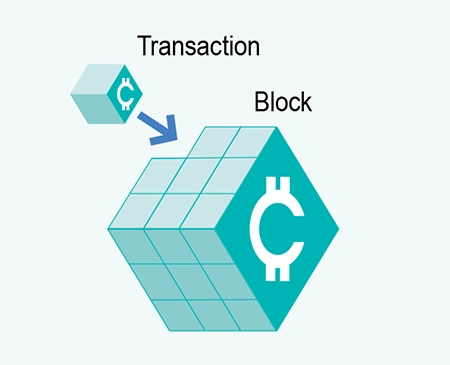
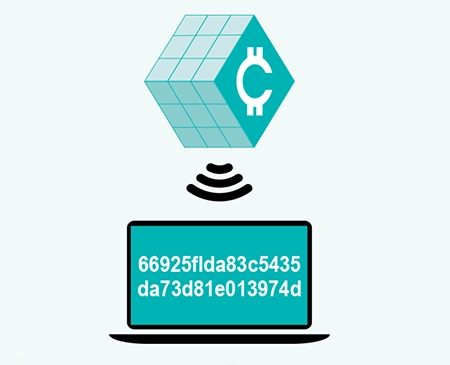


 Uses blockchain technology instead of banks
 Can be spent where accepted
 First cryptocurrency ever created
 Designed to maintain a stable price
 Driven by supply and demand
 Legal in the UK, EU, USA, Australia, Mexico, and many others
 Large exchanges handle high trading volumes and offer deep liquidity
 Reduced reliance on central authorities
 High price volatility
 Transactions are pseudonymous
 India has the largest crypto buyer base due to population size and rapid digital adoption