







Pros
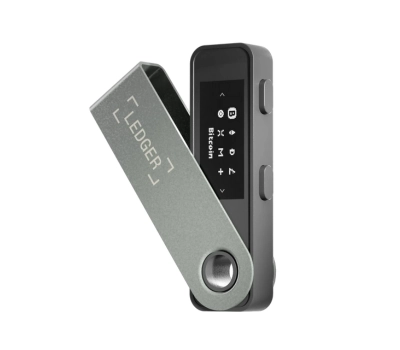
 Supports thousands of cryptocurrencies and tokens
Secure element chips designed specifically for private key protection
Ledger Live provides broad asset management in one interface
Works across mobile and desktop platforms
Cons
 Bluetooth functionality can feel complex for some users
Closed-source components may not appeal to open-source purists
Past security-related controversies have impacted trust for some users
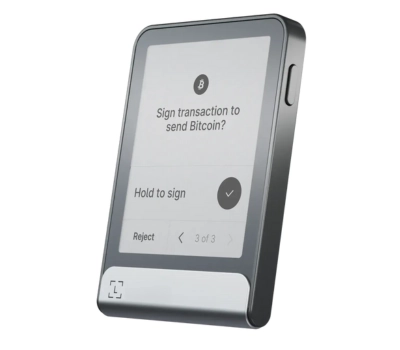
Pros
Large touchscreen improves transaction verification
Bluetooth and NFC support for mobile connectivity
Strong secure element certification
Supports NFTs and multiple blockchain networks
Cons
Higher cost than entry-level wallets
Wireless connectivity may concern highly security-focused users
Requires Ledger Live for full functionality
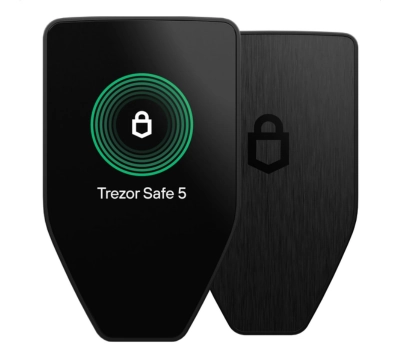
Pros
Colour touchscreen with secure on-device input
Advanced backup and recovery functionality
Robust physical and digital security design
Ideal for long-term cold storage
Cons
Higher price than basic models
No Bluetooth or wireless connectivity
More features than necessary for small portfolios
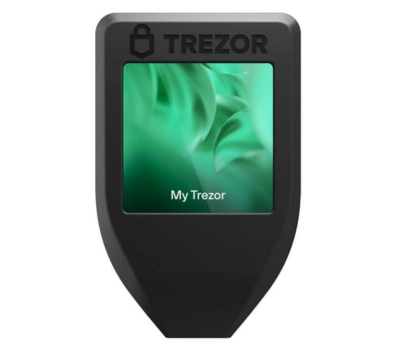
Pros
Full touchscreen for secure, on-device input
Wider asset support than older Trezor models
Open-source security approach
Reduced risk from compromised computers
Cons
Higher price point
Fewer native integrations than some competitors
Larger physical size than entry-level devices
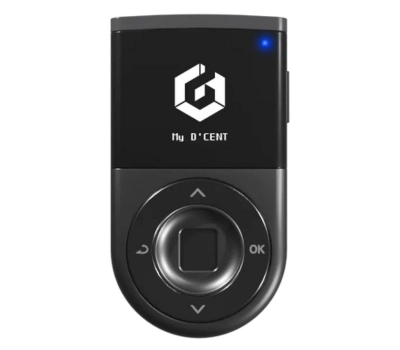
Pros
Built-in fingerprint authentication for transaction approval
Mobile-first design with Bluetooth connectivity
Private keys stored securely offline
Supports thousands of cryptocurrencies and tokens
User-friendly interface suitable for regular use
Cons
Limited desktop functionality
Bluetooth connectivity may not appeal to ultra-security-focused users
Slightly bulkier than minimalist hardware wallets
Requires a compatible smartphone for full use
Less suited to users seeking fully air-gapped cold storage


Crypto wallet security is one of the most important aspects of owning and using cryptocurrency, because control over your wallet means control over your funds. Unlike traditional banking, there is no central authority that can reverse transactions, reset passwords, or recover lost assets on your behalf. This makes security a personal responsibility rather than a shared one. Whether you are using a software wallet, a hardware wallet, or a combination of both, the goal is always the same, to protect your private keys and recovery phrase from theft, loss, or exposure.
At the core of wallet security is understanding that anyone with access to your private key or recovery phrase can take your crypto, and transactions are irreversible once confirmed on the blockchain. Most security incidents do not happen because of complex technical hacks, but because of simple mistakes such as storing recovery phrases digitally, falling for phishing scams, approving malicious transactions, or using compromised devices. Strong wallet security is therefore a mix of good tools and good habits.
A layered approach works best. This means using reputable wallets, keeping long-term holdings in cold storage, protecting devices with PINs and passwords, and staying alert to common scams. Regularly reviewing permissions, keeping software up to date, and verifying every transaction on the wallet screen are small actions that dramatically reduce risk over time. Crypto security is not about paranoia, it’s about consistency and awareness.
Key principles of crypto wallet security:
 Keep private keys and recovery phrases offline and confidential
Use hardware wallets for long-term or higher-value holdings
Enable PINs, passphrases, and device-level security where available
Be cautious of phishing emails, fake apps, and urgent support messages
Always verify addresses and transaction details before approving
What are private keys and recovery phrases?
Private keys and recovery phrases (aka seed phrase), are the foundation of cryptocurrency ownership. They are the credentials that prove you own your digital assets and allow you to move them on the blockchain. Unlike traditional financial systems, there is no account holder name, password reset, or customer support line behind the scenes. Control of crypto is determined entirely by cryptography, and whoever controls the private keys controls the funds.
A private key is a long, randomly generated string of letters and numbers that acts like the master password to your crypto wallet. It authorises transactions and proves to the blockchain that you are the rightful owner of the assets associated with a specific wallet address. When you send cryptocurrency, your wallet uses the private key to create a digital signature, which the network verifies before approving the transaction. Private keys are never meant to be shared, displayed publicly, or stored online.
A recovery phrase, sometimes called a seed phrase or mnemonic phrase, is a human-readable backup of your private keys. It usually consists of 12 or 24 simple words generated when you first set up a wallet. These words can recreate all of your private keys and wallet addresses if your device is lost, damaged, or replaced. While wallets often manage private keys automatically in the background, the recovery phrase is what gives you long-term control and recoverability.
Because both private keys and recovery phrases grant full access to your crypto, they must be protected with extreme care. Anyone who gains access to them can move your funds, and transactions cannot be reversed.
Key points to understand:
 Private keys authorise transactions and prove ownership
Recovery phrases are backups that regenerate private keys
Anyone with access can fully control your crypto
Lost keys or phrases usually mean permanent loss
Secure, offline storage is essential for both

What is a cold wallet?
What is a crypto wallet? – A cold wallet is a type of cryptocurrency wallet that stores private keys offline, meaning they are kept completely separate from the internet. This offline design is what makes cold wallets one of the most secure options for storing cryptocurrency, especially for long-term holding. Unlike hot wallets, which are connected to the internet through apps, browsers, or exchanges, cold wallets reduce exposure to online threats such as hacking, malware, phishing attacks, and unauthorised remote access.
It is important to understand that a cold wallet does not store cryptocurrency itself. Your Bitcoin, Ethereum, and other digital assets always remain on the blockchain. The cold wallet’s role is to securely hold the private keys that prove ownership and authorise transactions. Because these keys are never stored on an internet-connected device, they are far harder for attackers to reach. When you want to send crypto from a cold wallet, the transaction is prepared on a connected device, signed offline by the wallet, and only then broadcast to the network. At no point do the private keys leave the cold wallet.
Cold wallets are most commonly used by long-term investors, high-value holders, and anyone who prioritises security over instant access. While they may require a few extra steps to use compared to hot wallets, they offer peace of mind by significantly reducing risk.
Key points to understand:
 Cold wallets keep private keys offline at all times
They offer stronger protection against online attacks
Hardware wallets are the most common type of cold wallet
Cold wallets are ideal for long-term or high-value storage
Security depends on proper setup and safe recovery phrase storage
Is a hardware wallet a cold wallet?
Yes, a hardware wallet is a type of cold wallet, but the two terms are not completely interchangeable. A cold wallet is a broad category that refers to any crypto wallet where private keys are kept offline, away from internet-connected devices. A hardware wallet is the most common and practical form of cold wallet because it uses a dedicated physical device to store keys securely while still allowing transactions to be made when needed.
To understand the distinction clearly, it helps to think in terms of categories. Cold wallets describe the security model, meaning the private keys are not exposed to the internet. Hardware wallets describe the format, meaning a purpose-built physical device such as a USB-style wallet or touchscreen unit. Other cold wallet types exist, such as paper wallets or fully air-gapped computers, but hardware wallets have become the preferred option because they balance strong security with everyday usability.
Hardware wallets work by generating and storing private keys inside the device. When you want to send crypto, the transaction is prepared on your computer or phone, but it is signed on the hardware wallet itself, offline. Only the signed transaction is then broadcast to the blockchain network. This means your private keys never leave the device, even during active use. For most users, this provides far stronger protection than hot wallets, while still being far more practical than older cold storage methods.
In simple terms, all hardware wallets are cold wallets, but not all cold wallets are hardware wallets.
Key points to remember:
 Cold wallet is a broad term for offline key storage
Hardware wallets are the most popular type of cold wallet
Private keys stay offline, even during transactions
Hardware wallets balance strong security with usability
Other cold wallets exist, but are less practical for most users
What Are Crypto Hardware Wallets And How Do They Work?
 Hardware Crypto wallets, sometimes called a physical crypto wallet, is a purpose-built device designed to keep your private keys offline while still letting you send and receive cryptocurrency safely. It’s important to be clear about one thing from the start: your Bitcoin, Ethereum, and other coins do not “live” inside the wallet like cash in a pocket. Your assets exist on the blockchain, and your wallet simply controls the private keys that prove ownership and authorise transactions. The reason hardware wallets are so popular is simple, they reduce your exposure to online threats by isolating those keys from internet-connected devices. For many people, especially long-term holders, this is the difference between feeling unsure and feeling in control. Hardware wallets are widely considered a cold storage solution because the keys stay offline, and the device signs transactions securely without handing those keys to your computer or phone.
 Hardware wallets store private keys offline, your assets remain on the blockchain
They’re commonly used for cold storage and long-term holding
They reduce exposure to malware, phishing, and compromised devices
You still need strong habits, especially around recovery phrases
Is a Hardware Wallet Worth It?
For many users, the answer comes down to one question: how much would it hurt if you lost access to your crypto or had it stolen? Hardware wallets cost money, but they are often seen as a sensible investment once your holdings grow beyond a level you would be uncomfortable keeping in a hot wallet or on an exchange. They help by reducing online exposure and forcing clear transaction confirmation. That said, a hardware wallet is not a magic shield. If you store your recovery phrase poorly, fall for a scam, or approve a transaction you did not intend, losses can still happen. The best results come from combining the right tool with disciplined habits. If you are serious about holding crypto for the long term, a hardware wallet plus strong recovery phrase storage is one of the most practical security upgrades you can make.
 Hardware wallets can be a strong upgrade for long-term security
They are most valuable when your holdings are meaningful
Your habits still matter, especially around recovery phrases
A two-wallet approach often offers the best balance of safety and convenience
 Back up the recovery phrase, not the hardware wallet itself
 Small balances may not justify the upfront cost
What Makes a Hardware Wallet “Cold Storage”?
Cold storage refers to keeping your private keys away from the internet, which reduces the number of ways attackers can reach them. Most software wallets are classed as “hot” because they operate on devices that are routinely online, such as your phone, laptop, or a browser extension. Hardware wallets are different because they are designed to keep the private keys inside the device, and only share signed transaction data with your computer or phone. That difference matters, because many common crypto theft methods rely on attacking the device that holds the keys or intercepting key entry. With a hardware wallet, the private keys are not meant to be typed into your computer or stored in a file on your desktop. Instead, the device keeps key operations internal and requires you to physically confirm a transaction on its screen, which adds a meaningful layer of protection against hidden tampering.
 Cold storage keeps private keys offline and reduces online attack routes
Hardware wallets usually qualify as cold storage because keys stay on-device
Hot wallets are convenient but have a larger attack surface
Cold storage is ideal for larger balances and longer holding periods
How Crypto Hardware Wallets Work, A Clear Step-by-Step Explanation
A hardware wallet is not designed to do everything on its own. It typically relies on a companion app, sometimes called a wallet manager, installed on your computer or phone. Think of the app as the “control centre” that builds transactions and communicates with the blockchain, while the hardware wallet acts as the “secure signer” that approves transactions without exposing private keys. When you want to send crypto, your companion app prepares the transaction details, such as the recipient address, amount, and network fee. That unsigned transaction is then sent to the hardware wallet, where you review the details on the device’s screen. If everything matches what you intended, you confirm using the buttons or touchscreen. The device signs the transaction internally using the private key and sends the signed transaction back to the companion app, which then broadcasts it to the network. The critical point is that your private key never needs to leave the hardware wallet.
 The app prepares the transaction, the device signs it securely
You confirm on the hardware wallet screen to reduce tampering risk
Only signed transaction data leaves the device, not your private key
Always compare the address and amount on the device screen before approving
Are Hardware Wallets Safer Than Keeping Funds on Exchanges
Leaving crypto on an exchange is convenient for trading, but it means the exchange controls the private keys. In practice, that makes your account more like a traditional platform balance than true self-custody. If the platform has an outage, freezes withdrawals, suffers a security incident, or faces regulatory restrictions, your access can be affected. A hardware wallet supports genuine self-custody because you hold the keys and can transact independently. For many users, the best balance is a hybrid approach: keep a smaller “trading” balance on an exchange, and store long-term holdings in a hardware wallet. This reduces counterparty risk while keeping day-to-day access practical. It also aligns with how many people treat savings versus spending, you wouldn’t usually keep your life savings in your pocket, but you might keep some cash for daily use.
Exchanges can be convenient, but you rely on a third party for access
Hardware wallets support self-custody, you control the keys
Many users keep a small exchange balance and store the rest offline
This approach reduces risk while keeping flexibility
Hardware Wallet Features That Actually Matter in Real Life
Not all hardware wallets work the same way, and features should be judged by how they affect security and usability. A screen that shows transaction details is a major benefit because it lets you verify what you are signing, independent of your computer or phone. Touchscreens can also reduce risk when entering sensitive information because you interact directly with the device rather than typing on a potentially compromised computer. Some devices focus on being “air-gapped,” meaning they avoid direct wired or wireless connections and instead use QR codes or memory cards to transfer transaction data. Others include Bluetooth or NFC for convenience when using a phone. Security chips, sometimes referred to as secure elements, are designed to make extracting private keys extremely difficult, even with physical access. None of these features replace common sense, but together they can make secure self-custody easier to maintain over time.
 A clear device screen helps you verify transactions before signing
Touchscreen entry can reduce risk compared with typing on a computer
Air-gapped designs prioritise isolation, Bluetooth prioritises convenience
Strong hardware security is helpful, but recovery phrase security is essential
What is a Bitcoin Wallet And How is it Different to a Crypto Wallet?
A Bitcoin wallet is the broader concept. It’s any tool, app, or device that manages the cryptographic keys needed to access and spend Bitcoin on the blockchain. It does not store Bitcoin itself, because Bitcoin remains recorded on the blockchain ledger. What the wallet actually manages is your private key, which authorises spending, and your public address, which you share to receive BTC. When you send Bitcoin, the wallet creates a transaction and produces a digital signature using your private key. The network checks that signature, and if it’s valid, miners confirm the transaction and it becomes part of the blockchain history. That description applies to many wallet types, including mobile wallets, desktop wallets, browser wallets, and hardware wallets.
A hardware wallet is simply a more secure way to run a Bitcoin wallet because it keeps the private keys offline and signs transactions on the device itself. Your computer or phone can still build the transaction and broadcast it, but the signing step happens inside the hardware wallet, so your private key never needs to touch an internet-connected device. So, the key takeaway is: “Bitcoin wallet” describes what it does, while “hardware wallet” describes how it stores and protects the private keys.
Bitcoin wallet = any wallet that manages Bitcoin keys and signs BTC transactions
Hardware wallet = a physical device that stores keys offline and signs securely
You can have a Bitcoin software wallet (hot) or a Bitcoin hardware wallet (cold)
Both use the same fundamentals: address to receive, private key to spend
Hardware wallets reduce risk, but your recovery phrase still needs careful offline storage
Whats The Best Practices for Setting Up a Hardware Wallet Safely?
A safe setup process is slow, deliberate, and distraction-free. Start by using a clean, updated device for installation and wallet management. Download companion apps only from official sources. During setup, generate your recovery phrase on the device and write it down clearly, in the correct order. Store it offline in a secure place, and consider a second secure copy stored separately to reduce loss risk. Set a strong PIN, and if your wallet supports it, enable an additional passphrase for stronger protection. Once the wallet is ready, do a small test transfer first. Confirm you can receive funds, then practise sending a small amount to ensure you understand the confirmation flow. This builds confidence and reduces the chance of mistakes when you move larger sums.
 Set up on a clean, updated device and use official software sources
Write down your recovery phrase clearly and store it offline
Use a strong PIN and consider a passphrase for added protection
Do a small test transfer before moving significant funds
What Are The Common Hardware Wallet Risks, and How to Avoid Them?
Hardware wallets reduce online risks, but they introduce a different set of risks that you should understand upfront. One key concern is tampering, where a device is interfered with before it reaches you. The safest approach is to buy directly from the manufacturer or from an authorised reseller, and check packaging and security seals on arrival. Another major risk is a preconfigured seed phrase scam, where a malicious seller includes a card telling you to use a seed phrase they already know. Your recovery phrase should be generated by the device during setup, not provided in the box. Physical theft is another reality, which is why PIN codes and optional passphrases exist. If you ever suspect the recovery phrase has been exposed, you should treat the wallet as compromised and move funds to a new wallet with a new recovery phrase, using a clean device and verified software.
 Buy devices from official sources and inspect packaging and seals
Never use a seed phrase that arrives prewritten in the box
Use a strong PIN and consider a passphrase for added protection
If compromise is suspected, move funds to a new wallet immediately
Can hardware wallets be hacked?
Hardware wallets are specifically designed to reduce the risk of hacking by keeping private keys offline and isolated from internet-connected devices. Unlike software wallets or exchange accounts, hardware wallets never expose private keys to your computer, phone, or the internet. Even if the device you connect to is infected with malware, the hardware wallet signs transactions internally, meaning the most sensitive data never leaves the device. This design protects against the most common crypto threats, including keyloggers, screen capture malware, and remote access attacks.
However, no security solution is completely risk free. The majority of real-world incidents involving hardware wallets do not result from the device being technically “hacked”, but from user mistakes. These include buying a tampered wallet from an unofficial seller, using a pre-written recovery phrase, approving transactions without checking details on the device screen, or storing recovery phrases insecurely. Social engineering, phishing emails, and fake support messages are far more common attack vectors than direct device compromise.
When hardware wallets are purchased directly from reputable manufacturers, set up correctly, and used with care, they are widely regarded as one of the safest methods available for long-term cryptocurrency storage.
Hardware wallets protect against online malware and remote attacks
Private keys remain offline and never appear on connected devices
Most losses occur due to user error, not device failure
Buying directly from the manufacturer reduces tampering risk
Careful setup and verification are essential for security
How do I recover my crypto if my device is lost or damaged?
If your hardware wallet is lost, stolen, or damaged, your cryptocurrency is not lost as long as you have your recovery phrase. This phrase, usually made up of 12 or 24 words, is generated when you first set up the wallet and acts as a master backup. It allows your private keys and wallet addresses to be recreated exactly, even on a brand-new device.
To recover your funds, you would typically purchase a new hardware wallet or install a compatible software wallet, choose the option to restore an existing wallet, and carefully enter the recovery phrase in the correct order. Once restored, your balances and transaction history will reappear, because they are recorded on the blockchain, not on the device itself.
Without the recovery phrase, recovery is impossible. There is no customer support line, reset button, or central authority that can restore access. This makes careful, offline storage of the recovery phrase one of the most important responsibilities of crypto ownership.
 Recovery phrases restore wallet access, not the device
Losing the device does not mean losing your crypto
Recovery phrases must be stored offline and securely
Never store recovery phrases digitally or in cloud services
Anyone with the phrase has full control of the funds