






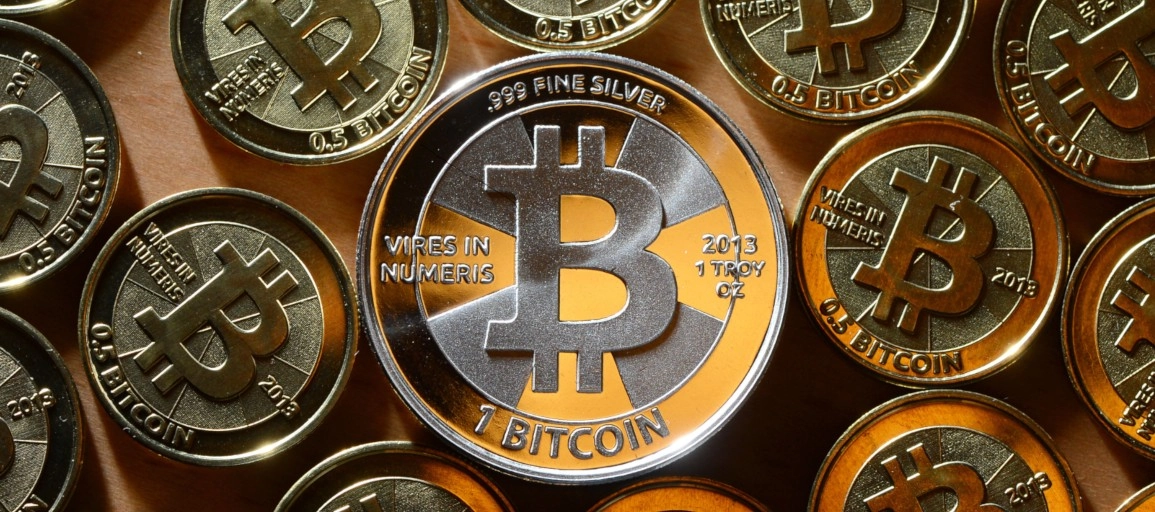
A Step-by-Step Guide to Buying Bitcoin
Buying Bitcoin for the first time can feel overwhelming, especially with the number of platforms, wallets, payment methods, and opinions available online. While Bitcoin itself is relatively simple at its core, the process of purchasing and storing it safely requires a basic understanding of how the ecosystem works. Without that knowledge, beginners are more likely to overpay in fees, choose unsuitable platforms, or make avoidable security mistakes that can be costly.
Bitcoin is now firmly established as the world’s leading cryptocurrency, with growing institutional interest, wider public awareness, and increasing integration into mainstream financial services. Whether you are buying Bitcoin as a long-term investment, a hedge against inflation, or simply to understand how it works, taking a structured and informed approach is essential. This guide explains how to buy Bitcoin safely in 2025, what to look for in a platform, how to store your BTC securely, and how to avoid the most common beginner mistakes.
 Bitcoin can be bought through exchanges, wallets, brokers, and peer-to-peer platforms
Payment methods affect fees, speed, and verification requirements
Wallet choice determines who controls your Bitcoin
Futures trading offers exposure without owning BTC, but increases risk
Security and self-custody are critical concepts for long-term holders
How Buying Bitcoin Works
Buying Bitcoin means exchanging traditional money for BTC at the current market rate. This usually happens through a platform that acts as an intermediary, matching buyers and sellers or selling Bitcoin directly. Once purchased, Bitcoin is either held on that platform or transferred to a personal wallet. The method you choose influences how much control you have, how quickly you receive your Bitcoin, and how exposed you are to third-party risk.
Some platforms prioritise simplicity and are designed for beginners, while others offer advanced trading tools at the cost of complexity. There is no universally “best” option, only what suits your experience level, risk tolerance, and goals. Understanding the differences upfront helps avoid frustration and mistakes later.
Bitcoin purchases involve exchanging fiat for BTC
Platforms vary in complexity and custody models
Control over keys determines true ownership
Beginners benefit from clarity over speed

Types of Platforms Used to Buy Bitcoin
There are three main ways people buy Bitcoin, and each has advantages and drawbacks. Brokers are the simplest option, offering fixed prices and an easy checkout process, but usually with higher fees. Trading platforms connect buyers and sellers and typically offer lower fees, but require more understanding of order books and market mechanics. Peer-to-peer platforms allow users to buy directly from other individuals, which can increase flexibility but also requires more caution.
Your choice should depend on whether you value ease of use, low fees, privacy, or advanced features. Many users start with a beginner-friendly option and gradually move to more advanced platforms as their confidence grows.
 Brokers offer simplicity but higher costs
Trading platforms provide lower fees with a learning curve
Peer-to-peer platforms increase flexibility but require vigilance
Platform choice should match experience level
Where to Buy Bitcoin Safely
For many beginners, using a non-custodial wallet that supports direct purchases is one of the safest ways to buy Bitcoin. This allows users to buy and store BTC in one place while retaining control over their private keys. Centralised exchanges are also popular, but they require trust in the platform to safeguard funds until you withdraw them.
Security history, transparency, customer support, and regulatory compliance are all important factors when choosing where to buy Bitcoin. A platform’s reputation often matters more than marketing claims or short-term promotions.
Non-custodial wallets offer greater control
Exchanges are convenient but add counterparty risk
 Reputation and security track record matter
Always verify platform legitimacy
Buying Bitcoin Step by Step
The process of buying Bitcoin is generally straightforward once you understand the flow. First, choose a platform that operates in your region and supports your preferred payment method. Next, create an account or wallet, complete any required verification, and initiate a purchase. After payment is confirmed, your Bitcoin is credited to your account or wallet. From there, you can hold it, transfer it, or store it more securely.
Beginners are encouraged to start with small amounts. This allows you to learn how transactions, confirmations, and wallets work without exposing yourself to unnecessary risk.
Choose a suitable platform
Set up an account or wallet securely
 Complete verification if required
Buy a small amount first
Payment Methods Explained
Payment method choice has a direct impact on cost and convenience. Debit and credit cards are fast and familiar, but often come with higher fees. Bank transfers are usually cheaper but slower. Digital payment services offer convenience but may restrict withdrawals. Cash purchases can offer privacy but involve personal safety considerations.
Understanding these trade-offs helps you choose the best method for your situation, rather than defaulting to what seems easiest.
Cards offer speed but higher fees
Bank transfers reduce cost but take longer
Digital wallets add convenience with limits
 Cash purchases require extra caution
Bitcoin Wallets and Storage
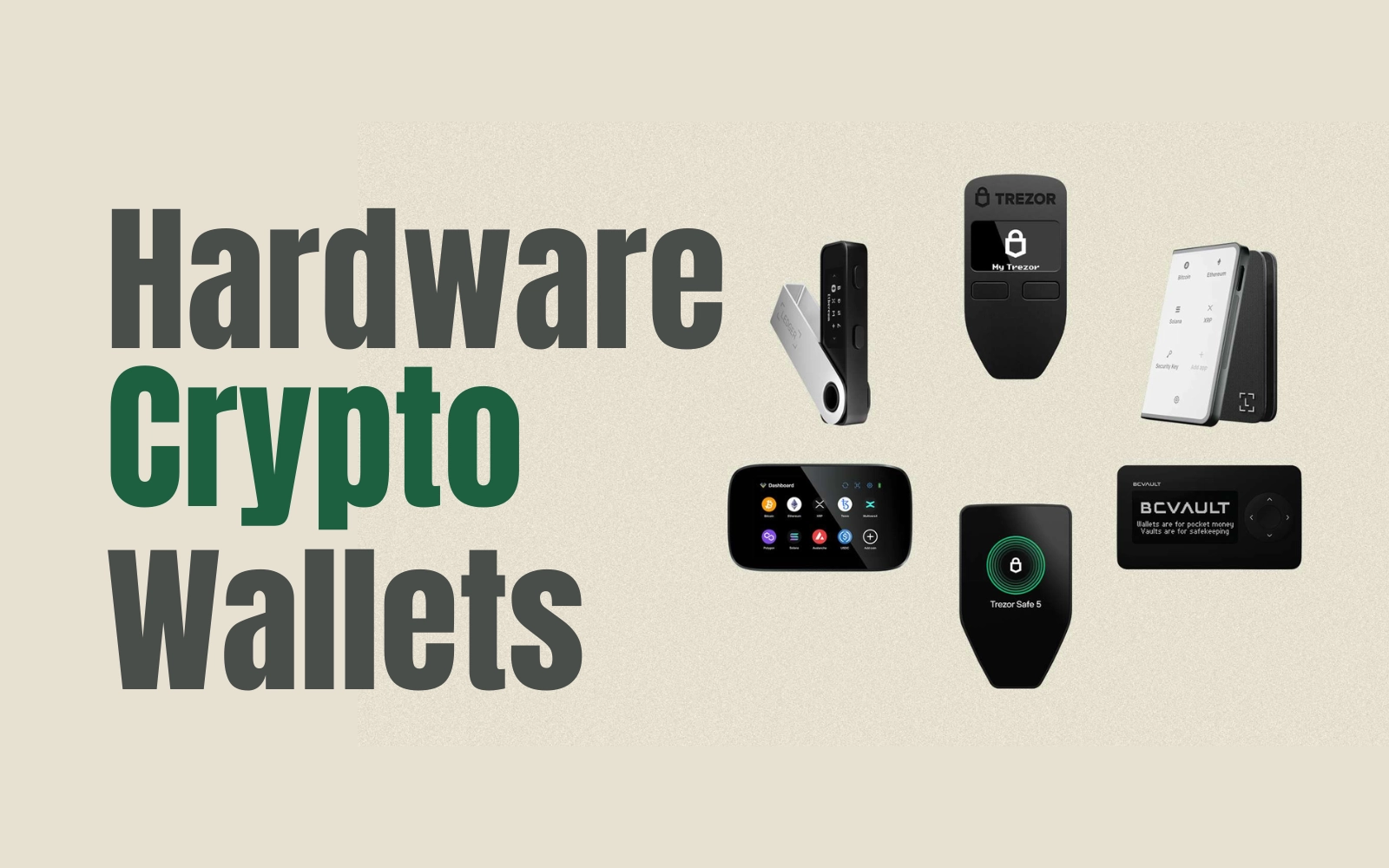
A Bitcoin wallet stores the private keys that give you control over your BTC. Wallets can be custodial, where a third party controls the keys, or non-custodial, where you control them yourself. Non-custodial wallets provide greater independence, but also place responsibility for backups and security on the user.
Wallets also vary by format. Hot wallets are connected to the internet and are convenient for frequent use. Cold wallets store keys offline and are preferred for long-term storage. Many users combine both approaches.
Wallets control access, not coins themselves
Non-custodial wallets offer full ownership
Hot wallets are convenient but less secure
Cold storage is ideal for long-term holding
Buying Bitcoin Without Owning It
Some users prefer exposure to Bitcoin’s price without managing wallets or keys. Futures trading allows users to speculate on price movements without holding the asset. This approach can be useful for experienced traders, but it introduces leverage, liquidation risk, and emotional pressure.
For beginners, futures trading is not a substitute for learning how Bitcoin works. It is a different product entirely, suited to short-term strategies rather than ownership.
 Futures offer price exposure without custody
Leverage amplifies both gains and losses
Not suitable for most beginners
Education is essential before using derivatives
How Much Bitcoin Should You Buy?
There is no universal answer to how much Bitcoin you should buy. A common guideline is never to invest more than you can afford to lose. Bitcoin is volatile, and price swings can be severe. Many long-term investors allocate a small percentage of their portfolio and build exposure gradually using regular purchases.
Starting small allows you to learn without emotional pressure. Over time, you can adjust your approach as your understanding grows.
Only invest what you can afford to lose
Start small to reduce emotional risk
Gradual buying smooths volatility
Allocation should match personal finances
When Is the Right Time to Buy Bitcoin?
Timing the market perfectly is extremely difficult. Short-term traders attempt to buy dips and sell rallies, but this requires skill and discipline. Long-term holders often use regular purchases to reduce the impact of price fluctuations over time.
Rather than focusing on perfect timing, beginners are better served by focusing on education, consistency, and risk management.
 Market timing is difficult
Long-term strategies reduce stress
Regular buying smooths price swings
Education matters more than entry price
Common Mistakes to Avoid
Many beginner mistakes are preventable. Leaving Bitcoin on exchanges, failing to back up recovery phrases, rushing into large purchases, and reacting emotionally to price swings are among the most common. Taking time to understand security basics dramatically reduces these risks.
Bitcoin rewards patience and preparation far more than speed.
Do not leave large balances on exchanges
Always back up recovery phrases securely
 Avoid emotional buying and selling
Double-check addresses before sending
Buying Bitcoin in 2025 is easier than ever, but ease of access does not remove the need for caution and understanding. Bitcoin gives individuals more control over their money, but that control comes with responsibility. Choosing the right platform, using secure wallets, and adopting sensible investment habits are essential steps for anyone entering the space.
By starting small, learning steadily, and prioritising security over convenience, you give yourself the best possible foundation. Bitcoin is not just a purchase, it is a system that rewards informed participation and long-term thinking.
Bitcoin ownership requires responsibility
 Platform and wallet choices matter
Security habits are essential
Education is the best investment
#HOWTOBUYBITCOING #HOWTOBUYBITCOININ2025 #BUYBITCOIN