









Why Security Should Be Your First Concern
Security is the single most important factor when choosing a crypto trading platform. In crypto, transactions cannot be reversed and there is no central authority that can recover funds if something goes wrong. That means both the platform you choose and the way you manage your account directly affect your safety. Reputable trading platforms protect users through multiple layers, such as storing most customer funds offline, enforcing two-factor authentication, monitoring unusual activity, and carrying out regular audits. These measures exist to reduce the risk of hacks, insider misuse, or operational failures.
Security is not just about technology, it is also about trust. Many experienced traders prioritise a platform’s track record and transparency over low fees or flashy features. A reliable exchange allows traders to focus on strategy rather than worrying about whether their funds are safe. On a personal level, good habits like using strong passwords, enabling security features, and separating trading funds from long-term holdings further reduce risk.
 Strong platforms use cold storage to protect most client funds
Two-factor authentication adds an extra layer of account security
Proof-of-reserves builds trust through transparency
Traders often keep only active funds on exchanges
Personal security habits are just as important as platform security
Fees, Liquidity, and Why They Matter
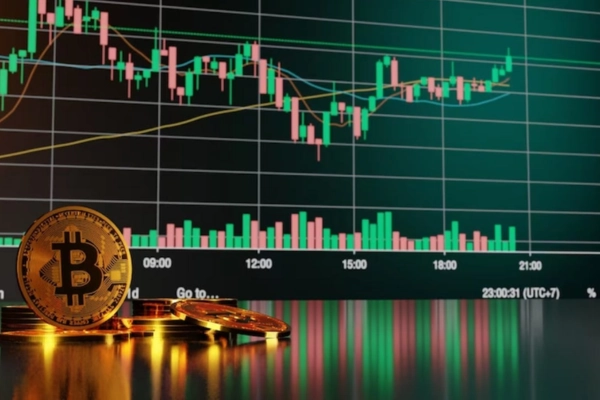
Every crypto trade comes with costs, even when they are not immediately obvious. Trading platforms typically charge fees per transaction, often based on whether you add or remove liquidity. Some use tiered fee structures that reward higher trading volume, while others include costs within the price spread between buying and selling. Over time, these fees can significantly impact profitability, especially for frequent traders. Understanding how a platform charges fees helps you plan trades more accurately and avoid unpleasant surprises.
Liquidity is just as important as fees. A liquid market has enough buyers and sellers to allow trades to execute smoothly at expected prices. Low liquidity can cause slippage, where orders fill at worse prices than planned. This can be costly during volatile market conditions or when placing larger trades. Platforms with strong liquidity generally provide more stable pricing and better execution.
Trading fees can vary based on volume and order type
Hidden costs may exist within spreads and withdrawals
 High liquidity helps trades execute at expected prices
Low liquidity increases slippage risk
Fee transparency supports better trading decisions
Spot Trading, Margin Trading, and Derivatives Explained Simply
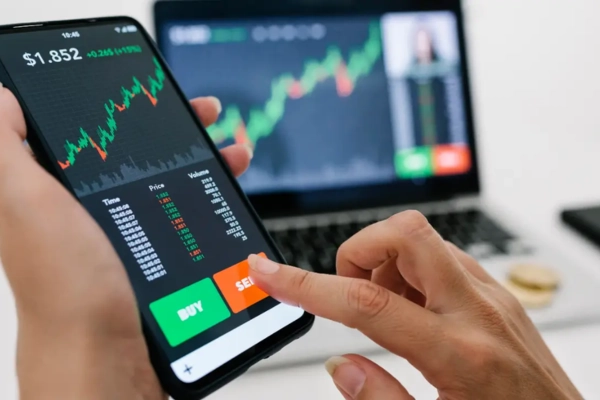
Most people start crypto trading with spot markets. Spot trading means buying or selling actual cryptocurrencies and owning them directly. This approach is straightforward and easier to understand, making it suitable for beginners. You buy an asset, hold it if you choose, and sell it later based on price movement. Spot trading carries fewer risks compared to leveraged products, as you cannot lose more than your initial investment.
Margin trading and derivatives are more advanced tools. These allow traders to borrow funds or trade contracts that track price movement without owning the asset. While this can amplify gains, it also increases losses, sometimes very quickly. Without a clear understanding of leverage, margin requirements, and liquidation rules, traders can lose capital faster than expected. Beginners are generally advised to master spot trading before exploring advanced products.
Spot trading involves owning the cryptocurrency directly
Margin trading uses borrowed funds to increase exposure
Derivatives track price without asset ownership
Leverage increases both gains and losses
 Beginners should start with spot markets first
Risk Management: The Key to Long-Term Trading
Risk management is what keeps traders in the market over the long term. No strategy wins all the time, and losses are unavoidable. The goal is not to avoid losses entirely, but to control them so they do not outweigh gains. Basic risk management techniques include limiting how much capital is used per trade, setting stop-loss orders, and avoiding emotional decision-making during market swings.
Professional traders plan every trade before entering. They know where they will exit if the trade fails and where they will take profit if it succeeds. This structure removes guesswork and helps traders stay disciplined. In volatile crypto markets, risk management is often more important than predicting price direction.
Limit the amount risked on each trade
Use stop-loss orders to control downside
Avoid emotional trading decisions
Plan entries and exits in advance
Discipline matters more than constant activity
Learning Tools and Support for Beginners
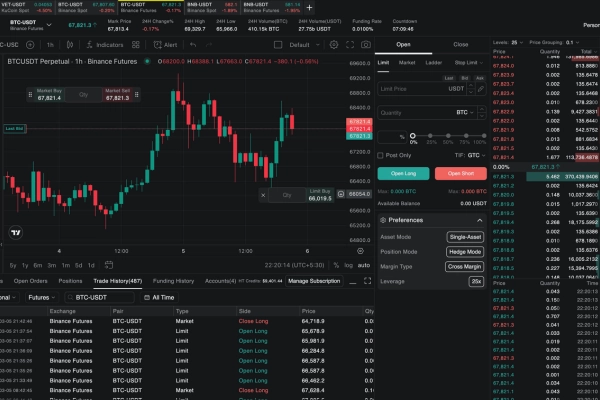
A good crypto trading platform supports learning, not just execution. Many reputable platforms now offer demo accounts, educational articles, tutorials, and market insights designed for beginners. Demo environments allow users to practise trading without risking real money, which is especially valuable when learning how orders work and how markets react.
Education reduces mistakes and builds confidence. Beginners who take time to learn chart basics, order types, and market behaviour are better prepared for live trading. Platforms that invest in user education often attract more long-term traders, as informed users are less likely to make impulsive decisions.
 Demo accounts allow risk-free practice
Educational guides explain key trading concepts
Tutorials help users understand platform tools
Learning reduces beginner mistakes
Knowledge builds long-term confidence
Regulation and What It Means for Traders
Regulation in crypto trading is developing across many regions. While rules differ globally, the goal is generally to protect users, improve transparency, and reduce financial crime. Regulated platforms often follow stricter standards for asset handling, disclosures, and operational security. This can provide traders with additional confidence, especially when holding funds on an exchange.
Regulation does not remove risk entirely, but it can reduce uncertainty. Traders should understand which rules apply in their region and choose platforms that operate responsibly. Compliance often affects available products, leverage limits, and onboarding requirements.
Regulation aims to improve transparency and protection
Rules vary depending on location
Regulated platforms follow higher standards
Compliance can limit risky products
Traders should understand local requirements
Strategy, Psychology, and Staying Disciplined
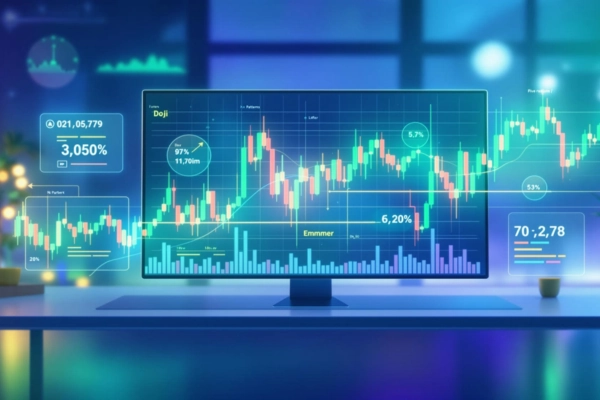
Crypto markets operate continuously, which can tempt traders to overtrade or react emotionally. Sharp price movements often trigger fear or greed, leading to rushed decisions. A clear strategy helps traders stay focused and avoid chasing losses or jumping into trades without preparation.
Successful traders treat trading as a process rather than a thrill. They review performance, follow rules, and step back when emotions rise. Discipline and patience often matter more than finding the perfect trade setup.
 Emotional control is essential
A clear strategy reduces impulsive decisions
Overtrading increases risk
Reviewing performance improves consistency
Patience supports better outcomes
Using Crypto Promotions the Smart Way
Crypto promotions can add value, but they should never outweigh fundamentals. Fee discounts, bonuses, or rewards can reduce costs when used correctly, but they should not drive platform choice alone. Promotions often come with conditions that traders must understand fully.
Smart traders treat promotions as optional extras. They prioritise security, liquidity, and reliability first, then consider incentives as a secondary benefit. Long-term efficiency always matters more than short-term perks.
 Promotions can reduce trading costs
Terms and conditions always apply
Incentives should not override fundamentals
Security and liquidity come first
Long-term value beats short-term rewards
Our Final Thoughts
Crypto trading offers global access, flexibility, and opportunity, but it also requires responsibility. The right trading platform supports security, education, risk management, and consistent execution. Building strong foundations early makes trading more sustainable and less stressful.
At Top Rated Crypto Exchanges, the focus is on helping traders compare platforms based on what truly matters. When education, discipline, and smart platform choice come together, crypto trading becomes a structured and rewarding journey rather than a gamble.
 Choose platforms based on trust and reliability
Learn before committing significant capital
Manage risk consistently
Use promotions wisely
Trade with long-term goals in mind