







What Is a Custodial Wallet?
A custodial wallet is a crypto wallet where a third party, typically a crypto exchange or financial platform, holds and manages the private keys on your behalf. You access your crypto through an account login, and the platform handles key storage, security infrastructure, and account recovery processes. This can make custodial wallets appealing for beginners and active traders because they are straightforward to use and usually include features like quick trading, built-in fiat deposits, and customer support. The trade-off is that you do not have full control over your funds, because the platform can restrict withdrawals, experience downtime, or be affected by security incidents or regulatory requirements. In other words, you are trusting the provider to safeguard your assets and maintain access.
 The platform controls the private keys, not you
Account access is typically via email, password, and security checks
Easier for beginners and frequent traders
Often includes customer support and account recovery
Introduces platform risk, such as restrictions or outages
What Is a Self-Custodial Wallet?
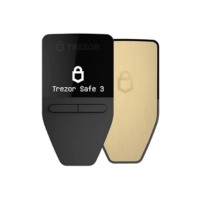
A self-custodial wallet, also called a non-custodial or decentralised wallet, gives you full control over your cryptocurrency by placing the private keys in your possession. Instead of relying on an exchange, you secure access through a recovery phrase created during setup. This phrase is the master backup that restores the wallet on a new device, and it cannot usually be reset by any provider. Self-custodial wallets are commonly used for long-term storage and for connecting directly to decentralised exchanges, DeFi apps, NFT marketplaces, and other Web3 services. The advantage is true ownership and independence, but the responsibility is higher. If you lose your recovery phrase, you may permanently lose access, and if you approve malicious transactions or fall for scams, there is rarely a recovery process.
 You control the private keys and recovery phrase
No exchange or provider can freeze or reset your wallet
Ideal for long-term holding and Web3 access
Requires strong backups and careful security habits
Mistakes can be permanent, so caution is essential



Is it safer to keep my crypto on an exchange or in a self-custody wallet?
Whether it is safer to keep crypto on an exchange or in a self-custody wallet depends on what type of risk you are more comfortable managing. Exchanges use custodial wallets and typically invest heavily in security infrastructure, insurance arrangements, and compliance processes, which can make them feel safer for beginners or for short-term trading. However, when your crypto is on an exchange, you are trusting a third party to hold the private keys on your behalf. This introduces platform risk, such as account freezes, withdrawal limits, outages, or security breaches, which are outside your control.
A self-custody wallet removes platform risk because you control the private keys directly. No exchange can restrict access to your funds, but this shifts responsibility to you. Mistakes such as losing your recovery phrase, approving malicious transactions, or failing to secure your device can result in permanent loss. In practice, many experienced users consider self-custody safer for long-term storage, while exchanges are convenient for active trading. The safest approach for most people is not choosing one over the other, but using each for what it does best.
Exchanges reduce technical responsibility but add platform risk
Self-custody removes third-party control but increases user responsibility
Long-term holders often prefer self-custody
Active traders may rely on exchanges for convenience
A blended approach is common and practical
If I use a custodial wallet, do I really own my cryptocurrency?
When you use a custodial wallet, you have economic ownership of the cryptocurrency, but you do not have direct control over it. The private keys are held by the exchange or platform, not by you, which means access to your funds depends on that provider operating normally and allowing withdrawals. In practical terms, you are trusting the platform to honour your balance and process transactions on your behalf. This setup is similar to holding money in a bank account rather than holding cash yourself.
For many users, this arrangement is acceptable, especially for small balances or frequent trading, because it offers convenience and customer support. However, it does mean you are exposed to platform policies, technical issues, and regulatory decisions. If withdrawals are restricted, your ability to move funds may be limited temporarily or, in rare cases, longer term. True ownership in crypto is generally defined by who controls the private keys. With custodial wallets, control is delegated rather than held directly.
 You own the balance, but not the private keys
Access depends on the platform’s systems and policies
Custodial wallets resemble traditional banking models
Convenience comes at the cost of full control
Self-custody is required for direct ownership
What happens if an exchange freezes withdrawals or has downtime?
If an exchange freezes withdrawals or experiences downtime, you may temporarily lose access to your funds even though they still belong to you. Withdrawal freezes can occur for several reasons, including technical maintenance, security incidents, liquidity issues, or regulatory requirements. During these periods, users cannot move crypto off the platform until restrictions are lifted. Downtime can also prevent logins, trading, or account access, which may be frustrating during volatile market conditions.
In most cases, these issues are temporary, but they highlight a key limitation of custodial wallets: access is dependent on the platform’s operational status. While reputable exchanges usually restore services, users have little control over timing. This is why many people choose to move long-term holdings into self-custodial wallets, where access does not rely on a third party. Keeping only active trading funds on exchanges helps reduce the impact of unexpected restrictions and provides greater resilience overall.
 Withdrawals can be paused due to security or compliance issues
Downtime may block access temporarily
Users have no control over exchange decisions
Long-term storage on exchanges increases dependency
Self-custody reduces exposure to platform outages
What is a recovery phrase, and why does it matter for self-custody?
A recovery phrase, sometimes called a seed phrase, is a sequence of words generated when you create a self-custodial wallet. This phrase is the master key that allows you to restore access to your wallet on any compatible device. Anyone who has the recovery phrase can recreate the wallet and control the funds, which is why it is considered the most sensitive piece of information in crypto security.
In self-custody, there is no central authority that can reset or recover your wallet for you. If your device is lost or damaged, the recovery phrase is the only way to regain access. If the phrase is lost and you cannot access the wallet, the funds may be permanently inaccessible. Because of this, recovery phrases must be stored securely offline and never shared. Understanding and protecting your recovery phrase is fundamental to safe self-custody.
 The recovery phrase controls full wallet access
It is required to restore wallets on new devices
Anyone with it can take the funds
Providers cannot reset or recover it
Secure offline storage is essential
How do I move crypto from an exchange wallet to a self-custodial wallet safely?
Moving crypto from an exchange to a self-custodial wallet should be done carefully, as blockchain transactions are usually irreversible. Start by opening your self-custodial wallet and copying the correct receiving address for the specific asset and network you are using. On the exchange withdrawal page, paste the address carefully and double-check it character by character. Always ensure the selected network on the exchange matches the wallet’s network, as sending crypto on the wrong network can result in funds not arriving.
For added safety, it is wise to send a small test transaction first, especially if you are moving a large amount. Once the test transfer is confirmed, you can proceed with the remaining balance. Keep records of transaction IDs until the transfer completes successfully. Taking a cautious, step-by-step approach greatly reduces the risk of costly errors.
 Copy the receiving address directly from your wallet
Match the network exactly on both sides
Send a small test transfer first
Keep transaction records until confirmed
Never rush large withdrawals
Do I need a self-custodial wallet to use DeFi or decentralised exchanges?
In most cases, yes. Decentralised finance platforms and decentralised exchanges are designed to work with self-custodial wallets, because these wallets allow users to connect directly to blockchain applications without an intermediary. When you use DeFi, you are interacting with smart contracts rather than a central platform, which means you must be able to approve transactions and sign actions with your own private keys.
Custodial exchange wallets do not usually support direct DeFi connections, because the platform controls the keys and transactions internally. A self-custodial wallet enables you to swap tokens, provide liquidity, lend assets, or interact with decentralised apps directly from your wallet address. This direct access is one of the core benefits of self-custody, but it also requires users to understand approvals, permissions, and security risks.
 DeFi platforms require direct wallet connections
Self-custody enables smart contract interaction
Exchanges usually block direct DeFi access
Users must approve transactions themselves
Knowledge of permissions improves safety
Can I use both custodial and self-custodial wallets at the same time?
Yes, and many experienced users do exactly that. Using both custodial and self-custodial wallets allows you to balance convenience and control. Exchanges are useful for buying crypto, trading frequently, and converting between assets, while self-custodial wallets are better suited for storage and decentralised access. By separating roles, you reduce risk and avoid relying on a single system for everything.
For example, you might keep a small amount on an exchange for trading, while holding the majority of your crypto in a self-custodial wallet for long-term security. This approach also limits exposure if either system experiences problems. Using both together is often considered a sensible and flexible setup rather than a contradiction.
 Exchanges suit trading and fiat conversions
Self-custody suits storage and decentralised use
Separating roles reduces overall risk
Many users move funds between both regularly
Balance improves flexibility and resilience
What are the biggest risks of self-custody for beginners?
The biggest risks of self-custody for beginners come from mistakes rather than technology. Losing the recovery phrase is one of the most serious risks, as it can permanently lock you out of your funds. Phishing scams are another major issue, where fake websites or messages trick users into revealing their recovery phrase or approving malicious transactions. Because transactions are irreversible, errors often cannot be undone.
Beginners may also struggle with understanding networks, approvals, and addresses, which can lead to sending funds incorrectly. While self-custody provides independence, it removes safety nets such as account recovery or customer support. Education, cautious behaviour, and starting with small amounts can significantly reduce these risks.
 Losing recovery phrases can mean permanent loss
Phishing scams target inexperienced users
Incorrect transactions are often irreversible
No customer support can reverse mistakes
Learning and caution reduce most risks