







What Exactly Is a Crypto Wallet?
A crypto wallet is best understood as a tool that gives you access to your cryptocurrency on the blockchain, rather than a place where coins are physically stored. Cryptocurrencies exist on public blockchains, and a wallet holds the private keys or access credentials that allow you to prove ownership and authorise transactions. When you send crypto, the wallet signs the transaction using your private key and broadcasts it to the network, where it can be verified and recorded. When you receive crypto, your wallet provides a public address that others can use to send funds to you.
There are two broad custody models to understand. Custodial wallets are typically provided by exchanges, where the platform controls the private keys and you access funds through an account login. Non-custodial or self-custody wallets give you full control of the keys through a recovery phrase, meaning no third party can access or recover your funds on your behalf. This control brings independence and flexibility, but it also comes with responsibility, because losing the recovery phrase can mean losing access permanently.
Crypto wallets also differ by how they balance security and convenience. Software wallets run on phones or computers and are well suited to everyday use, trading, and Web3 activity. Hardware wallets store keys offline on a physical device and are often used for long-term storage. Decentralised wallets focus on self-custody and direct interaction with blockchains, DeFi platforms, and decentralised exchanges.
Choosing the right crypto wallet depends on how you plan to use cryptocurrency, how often you transact, and how much responsibility you are comfortable managing. For most users, understanding the basics of how wallets work is far more important than choosing the most advanced option, because good habits around backups, security, and verification are what truly keep crypto safe.
 A crypto wallet manages private keys, not physical coins
Wallets allow you to send, receive, and control blockchain assets
Custodial wallets are controlled by platforms, self-custody wallets are controlled by you
Software wallets focus on convenience, hardware wallets focus on security
Safe wallet use depends on backups, verification, and user awareness


Hardware Wallet vs Software Crypto Wallet?
The main difference between a hardware wallet and a software wallet comes down to how your private keys are stored and how you access your cryptocurrency. Both are legitimate ways to manage crypto, but they are designed for different use cases, levels of security, and user behaviour.
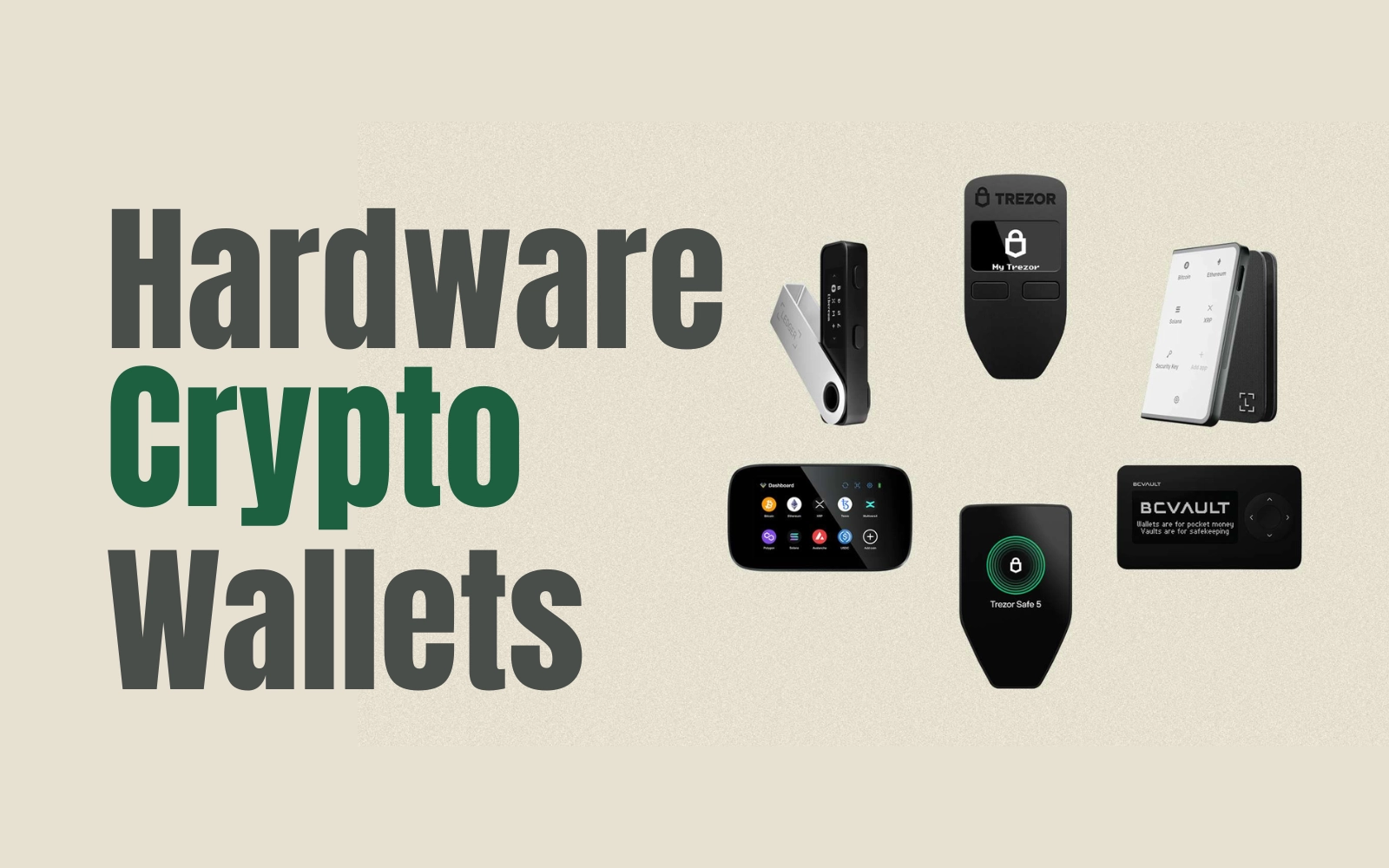
A hardware wallet is a physical device that stores your private keys offline. Because the keys never leave the device and the wallet is not constantly connected to the internet, hardware wallets offer a very high level of security. Transactions must be physically approved on the device itself, which makes remote hacking, phishing, and malware attacks far more difficult. For this reason, hardware wallets are commonly used for long-term storage and for protecting larger balances. The trade-off is convenience, as you need the device with you and transactions take slightly longer to complete.
A software wallet is an app or program installed on a phone, tablet, or computer. These wallets are connected to the internet, which makes them quick and easy to use for everyday transactions, trading, and interacting with decentralised applications. Software wallets are ideal for active use, but they rely heavily on device security and user awareness. Because they are always online, they are more exposed to phishing and malware risks.
Many experienced users combine both, using a software wallet for daily activity and a hardware wallet for secure long-term storage.
Hardware wallets store keys offline for maximum security
Software wallets store keys on internet-connected devices for convenience
Hardware wallets suit long-term holding and larger balances
Software wallets suit everyday use and Web3 activity
Using both together offers a balanced and practical setup
Do I Need a Crypto Wallet?
Whether you need a crypto wallet depends on how you plan to use cryptocurrency, but for most people, the answer is yes. A crypto wallet is essential if you want to own, control, and manage your digital assets yourself, rather than relying entirely on an exchange or third-party platform. While it is possible to buy and hold crypto on an exchange account without a personal wallet, doing so means the platform controls the private keys, not you. This works for short-term trading or simple buying and selling, but it limits your control and flexibility.
If you plan to hold cryptocurrency long term, move funds between platforms, use decentralised applications, or participate in DeFi, NFTs, or Web3 services, a crypto wallet becomes necessary. A wallet allows you to send and receive crypto directly on the blockchain, withdraw assets from exchanges, and interact with decentralised services without permission from a central provider. It also reduces reliance on a single platform and gives you more resilience if an exchange experiences downtime, restrictions, or security issues.
That said, owning a crypto wallet also comes with responsibility. You must protect your recovery phrase, secure your devices, and understand basic safety practices. For many users, the best approach is a combination: using an exchange for buying and trading, and a crypto wallet for holding and managing assets securely.
 You need a wallet to control your own crypto, not just an exchange account
Wallets are required for DeFi, NFTs, and decentralised applications
Long-term holders benefit most from having a personal wallet
Exchanges are convenient but involve third-party control and risk
Many users use both exchanges and wallets together for balance and security
Best Crypto Wallet Brands
Choosing the best crypto wallet brand is less about chasing whatever is “most popular” and more about matching the brand to how you actually use crypto. Some brands specialise in maximum security for long-term storage, others prioritise speed and convenience for daily transactions, and a few sit in the middle with multi-device tools that suit beginners who want a clear portfolio view. A good brand should have a strong reputation, clear self-custody messaging, simple backup guidance, and a product experience that reduces mistakes, especially around recovery phrases, approvals, and network selection. Below are the main brand categories, with a short introduction before each one to help readers understand what they are looking at and why it matters.
Hardware Wallet Brands
Hardware wallet brands are best known for offline key storage, which makes them a popular choice for people holding larger balances or planning to store crypto for months or years. The biggest advantage is that private keys are kept away from always-online devices, which reduces exposure to common threats like phishing, malware, and fake browser extensions. Hardware wallets are often treated like a secure vault: you might not use them every day, but they are a strong option when security is the priority. For website visitors, it helps to position hardware wallets as the sensible upgrade once holdings become meaningful, or when users want to reduce reliance on exchanges and hot wallets for long-term storage.
Ledger Trezor SafePal BitBox
Software and Decentralised Wallet Brands
Software and decentralised wallet brands focus on speed, usability, and everyday access. These wallets typically run as mobile apps, desktop apps, or browser extensions, making them ideal for frequent transfers, trading, and connecting to decentralised apps, DeFi platforms, and NFT marketplaces. Because they are internet-connected, they are usually better suited to active balances rather than long-term storage of large amounts. The key message for users is simple: these brands can be excellent, but security becomes a shared responsibility, meaning careful backups, scam awareness, and cautious approvals matter just as much as the wallet app itself.
MetaMask Trust Wallet Phantom Coinbase Wallet
Multi-Platform and Hybrid-Friendly Brands
Multi-platform and hybrid-friendly wallet brands are often chosen for convenience and clarity. They tend to offer both desktop and mobile apps, strong portfolio visibility, and a more guided experience that appeals to beginners and casual users. These wallets can be a great middle ground for people who want a smoother interface, simple navigation, and a single place to manage a mixed portfolio, while still benefiting from self-custody in many cases. They are particularly useful if your readers want a wallet that feels like a modern finance app, but still gives them control over their assets and the flexibility to move funds off exchanges when needed.
Exodus BitBox