










The Story Behind Dogecoin’s Creator Billy Markus
Shibetoshi Nakamoto is the online persona of Billy Markus, a software engineer whose unexpected contribution to cryptocurrency culture reshaped how digital assets could be perceived, shared, and adopted. Best known as the co-creator of Dogecoin, Markus helped launch a project that deliberately went against the grain of early crypto ideology. While many cryptocurrencies positioned themselves as complex financial revolutions, Dogecoin leaned into humour, simplicity, and internet culture, which ultimately became its defining strengths. What began as a tongue-in-cheek response to the growing seriousness of Bitcoin culture in 2013 evolved into one of the most recognisable cryptocurrencies in the world. Dogecoin has since been used for tipping, charitable fundraising, online payments, and large-scale retail speculation. This article explores who Billy Markus is, why he chose the name Shibetoshi Nakamoto, how Dogecoin was created, and why his influence continues to matter in the crypto ecosystem today, even without formal involvement.
- Billy Markus co-created Dogecoin as a satirical and accessible alternative to early cryptocurrencies
- The alias Shibetoshi Nakamoto was chosen as a playful reference to Bitcoin’s mysterious creator
- Markus stepped away from active Dogecoin development in 2014 due to personal and online pressures
- He sold his original Dogecoin holdings long before the project reached mainstream valuation highs
- Dogecoin’s community-driven model reshaped marketing, engagement, and meme culture in crypto
Who Is the Creator of Dogecoin?
Dogecoin was launched in December 2013 by Billy Markus, a US-based software engineer, in collaboration with Jackson Palmer, a technology marketer working in the software industry. Markus handled the technical implementation, while Palmer contributed branding ideas and cultural direction. Together, they created a cryptocurrency that intentionally avoided the intimidating tone and dense technical language that dominated early blockchain projects.
Unlike many crypto founders who pursued venture capital or long-term development roadmaps, Markus viewed Dogecoin as a casual experiment. The project was open-source, lightweight, and intentionally unserious in presentation. That approach resonated with online communities who felt excluded by the technical elitism surrounding other cryptocurrencies, allowing Dogecoin to gain traction far beyond its creators’ expectations
Quick Facts About Billy Markus
Full name: Billy Markus
Online alias: Shibetoshi Nakamoto
Year of birth: 1983
Nationality: American
Profession: Software engineer
Known for: Co-creating Dogecoin
Crypto involvement: Commentary only, no development role
Estimated net worth: Under $1 million
Public presence: Active on X and personal blogs
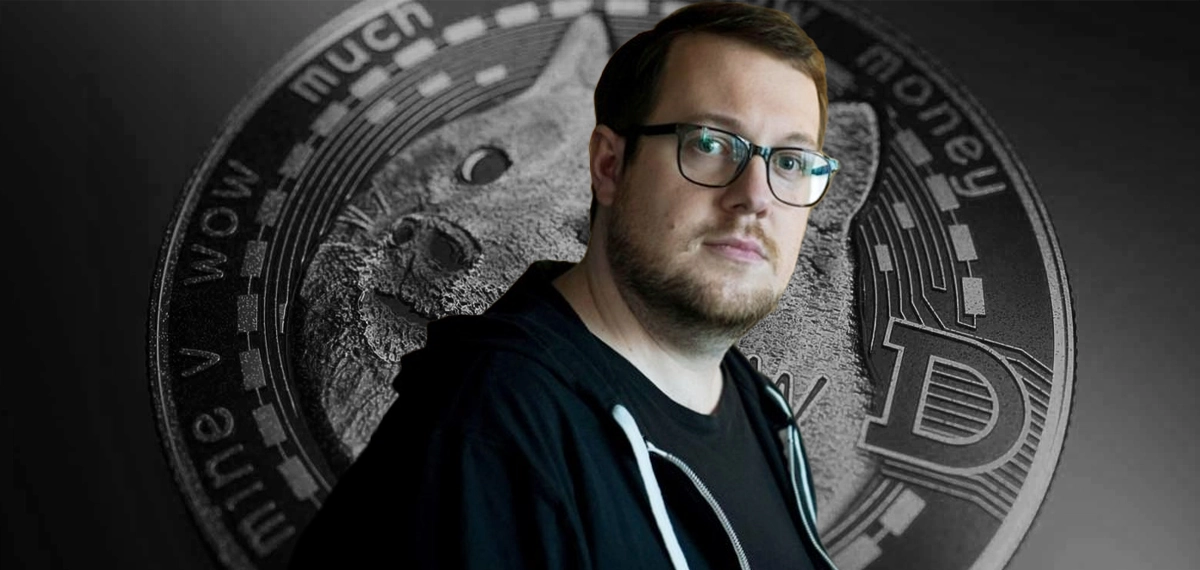
Why the Name Shibetoshi Nakamoto?
The name Shibetoshi Nakamoto was never meant to mislead or imitate Bitcoin’s creator. Instead, it was designed as a satirical nod to crypto culture itself. “Shibe” references the Shiba Inu dog associated with the original Doge meme, while “Nakamoto” playfully mirrors the surname of Bitcoin’s anonymous founder. The result was a pseudonym that captured the spirit of parody at the heart of Dogecoin.
Unlike Satoshi Nakamoto, who vanished after launching Bitcoin, Markus has always been open about his identity. He regularly engages with followers online, using humour, self-awareness, and blunt commentary to discuss crypto trends, internet behaviour, and speculative excess. This transparency helped shape Dogecoin’s identity as a community-first project rather than a founder-driven enterprise.
Early Life and Background
Billy Markus grew up in Portland, Oregon, where he developed an early interest in computers, games, and online communities. He has spoken candidly about experiencing anxiety and health concerns during his teenage and early adult years, which influenced both his education and career path. These experiences shaped his pragmatic and self-aware outlook, which later became evident in his approach to crypto culture.
After taking time away from formal education to focus on his wellbeing, Markus returned to college and completed his studies in computing. Much of his practical learning, however, came from experimentation, forum participation, and side projects. These informal experiences proved just as valuable as formal training, especially when building a project that relied more on cultural understanding than technical complexity.
Career Before Dogecoin
Before Dogecoin gained attention, Markus worked as a software engineer within established technology companies. These roles exposed him to large-scale systems, structured development processes, and professional engineering standards. While valuable, this environment also highlighted the contrast between corporate software development and the creativity of independent projects.
In his spare time, Markus continued to build experimental tools, contribute to online discussions, and create small applications for fun rather than profit. Dogecoin emerged from this mindset, not as a planned product, but as an outlet for creativity and commentary on the growing intensity of the crypto space.

How Dogecoin Was Created
Dogecoin began as a joke rooted in internet culture. Jackson Palmer initially referenced the idea online, combining the Doge meme with the concept of cryptocurrency. Markus recognised the potential for turning that joke into a functional blockchain and offered to build it.
Using Bitcoin’s open-source code as a foundation, Markus modified key elements to suit the project’s playful tone. He adjusted block times, removed supply limits, and introduced branding that was intentionally informal. The entire process took only a short amount of time, reinforcing the idea that Dogecoin was never meant to compete technically with more complex blockchains.
The Philosophy Behind Dogecoin
Dogecoin’s philosophy centres on approachability rather than disruption. From the outset, it encouraged participation, generosity, and humour. Early users frequently tipped one another small amounts of DOGE, donated to charitable causes, and funded community initiatives.
The core principles that emerged included:
 Accessibility: Low barriers to entry for new users
Friendliness: A welcoming, non-judgemental community tone
Community: Emphasis on shared participation and humour
Reliability: Simple and predictable blockchain behaviour
These values helped Dogecoin establish a distinct identity that has endured across multiple market cycles.
From Meme to Mainstream
As Dogecoin spread across online platforms, it attracted users who were less interested in financial theory and more interested in participation. Its recognisable branding and low individual coin price made it psychologically appealing, especially to newcomers.
Over time, broader media attention and public endorsements amplified its visibility. Merchants experimenting with crypto payments adopted Dogecoin for its simplicity, while retail investors were drawn to its cultural relevance. Each wave of interest reinforced Dogecoin’s role as both a social currency and a speculative asset.
Why Billy Markus Stepped Away
In 2014, Markus chose to step back from Dogecoin development. The project’s rapid growth brought intense scrutiny, online harassment, and unrealistic expectations. For someone who never intended to lead a movement, the pressure became overwhelming.
Markus transferred responsibility to the wider open-source community, allowing Dogecoin to continue independently. His departure reinforced the decentralised nature of the project, even as it marked the end of his direct involvement.

Views on Cryptocurrency and NFTs
Markus is well known for his sceptical stance on crypto speculation. He frequently reminds followers that cryptocurrencies are highly volatile and that perceived value is often driven by hype rather than utility. His commentary cuts through marketing narratives, emphasising personal responsibility and critical thinking.
He has expressed similar concerns about NFTs, questioning their long-term relevance and the behaviour surrounding speculative markets. These views have positioned him as a counterbalance within an industry often dominated by promotional messaging.
Views on Cryptocurrency and NFTs
Markus is well known for his sceptical stance on crypto speculation. He frequently reminds followers that cryptocurrencies are highly volatile and that perceived value is often driven by hype rather than utility. His commentary cuts through marketing narratives, emphasising personal responsibility and critical thinking.
He has expressed similar concerns about NFTs, questioning their long-term relevance and the behaviour surrounding speculative markets. These views have positioned him as a counterbalance within an industry often dominated by promotional messaging.
Influence on Meme Coin Culture
Dogecoin’s success demonstrated that cultural relevance and community engagement could drive adoption just as effectively as technical innovation. This insight inspired countless meme-based projects, many of which attempted to replicate Dogecoin’s formula.
However, few achieved the same longevity. Dogecoin’s authenticity, timing, and organic growth remain difficult to reproduce, highlighting the importance of genuine community rather than manufactured hype.
Why Shibetoshi Nakamoto Still Matters Today
Although Billy Markus holds no authority within Dogecoin, his continued presence shapes how the project is perceived. Through humour and candid commentary, he reinforces the idea that crypto can be accessible without being deceptive. In an environment where new tokens appear daily, Markus provides continuity. His voice connects Dogecoin to its origins, reminding users that it was never meant to promise riches, but to make participation enjoyable.
Billy Markus’s story reflects the unpredictable evolution of cryptocurrency itself. What started as a joke grew into a global phenomenon that reshaped digital culture and investment behaviour. Although Markus stepped away from development early, his influence remains woven into Dogecoin’s identity.
By prioritising humour, honesty, and community, Markus helped demonstrate that technology adoption is as much about people as it is about code. His ongoing presence keeps Dogecoin grounded, reminding users of its playful origins and offering a rare sense of authenticity in an increasingly commercialised crypto landscape.
#SHIBETOSHINAKAMOTO #SHIBETOSHI #NAKAMOTO #BILLYMARKUS #BILLY #MARKUS