




The Most Anticipated Crypto Games of 2026: What Players Are Excited About
The world of blockchain gaming has shifted dramatically, moving from early experiments to a vibrant ecosystem where major studios, established franchises and pioneering indie developers are all building titles that blend fun gameplay with decentralised asset ownership. As crypto gaming continues its evolution, 2026 is shaping up to be a landmark year for new releases and major updates. This surge of innovation arrives alongside an expanding landscape of crypto promotions, giving players more opportunities to explore games, earn rewards and participate in communities that extend far beyond traditional gaming models.
In contrast to traditional games, which confine progress and assets within proprietary systems, crypto games use decentralised ledgers so that valuable in-game items can be owned, traded and monetised by players. Some projects aim to redefine entire genres, while others bring beloved universes and cultural IPs into Web3 for the first time. As a result, players are not just waiting for new games, but for transformative experiences where gameplay, economy and community intersect. Below we explore the most anticipated crypto games that are expected to launch or significantly expand in 2026, each offering unique mechanics, worlds and possibilities for players.

Pikamoon: AAA Battle Royale with Web3 Depth
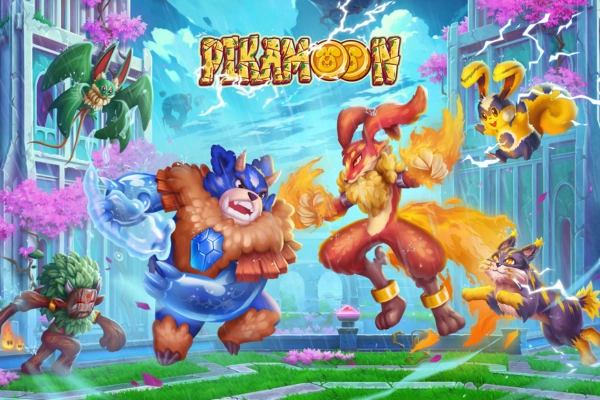
One of the most eagerly awaited blockchain titles is Pikamoon, a AAA-style battle royale game built specifically for the Web3 era. With melee-focused combat, AI-driven companions and strategic team play, Pikamoon aims to fuse competitive action with deep blockchain integration. Unlike many early crypto games that felt clunky or experimental, Pikamoon is designed from the ground up as a full-fledged gaming experience, with polished visuals, intuitive mechanics and a roadmap that stretches well beyond its initial release.
Beyond its core gameplay, Pikamoon is set to introduce a tiered ecosystem where players can unlock new game modes, seasonal challenges and collaborative campaigns that blur the line between a game and a persistent digital world. Its tokenomics and asset design seek to balance play-to-earn rewards with sustainable value, a key consideration for both gamers and investors. For many enthusiasts, Pikamoon represents the moment when crypto gaming transitions from niche to mainstream, delivering an experience that rivals top entries in non-Web3 genres. Crypto promotions tied to early access, playtests and community events are expected to generate significant buzz throughout its rollout.
- Combines competitive battle royale gameplay with blockchain assets.
- Designed as a full AAA experience rather than a simplified Web3 title.
- Strategic team play and AI companions add depth to matches.
- Tokenomics aim to reward participation without destabilising value.
- Early access and community promotions build engagement before launch.
Axie Infinity: Atia’s Legacy – Evolving an Icon
The next evolution of one of the most influential blockchain games ever created comes in the form of Axie Infinity: Atia’s Legacy. Building on the massive impact of the original title, this cross-platform MMO is set in the familiar world of Lunacia but takes the franchise into new territory with real-time combat and squad-based mechanics. Instead of relying on turn-based battles alone, Atia’s Legacy introduces more dynamic encounters where players form teams of Axies and allies to tackle quests, explore environments and compete in world events.
The game also emphasises crafting, exploration and player progression in ways that reward both strategic planning and collaborative play. Its community-driven economy means that assets earned or crafted in the game have utility beyond simple cosmetic value, encouraging deeper engagement in marketplaces and guild ecosystems. Given the iconic status of Axie Infinity, expectations are high that this release will attract both veteran Web3 gamers and newcomers alike, especially as developers refine core systems and balance token rewards with long-term game health. Crypto promotions linked to early playtests and exclusive rewards could accelerate community involvement and give players incentives to participate during development phases.
- Expands the Axie franchise into real-time MMO gameplay.
- Encourages team play and collaborative strategies.
- Crafted assets have utility and marketplace value.
- Aims to attract both new players and long-time fans.
- Community incentives expected to drive early engagement.

Peaky Blinders Blockchain Game – Story-Driven AAA Action
For players who love narrative and cinematic experiences, the Peaky Blinders blockchain game represents a unique convergence of popular culture and decentralised technology. Based on the hit gangster drama, this officially licensed title is envisioned as a AAA action-adventure experience set in a richly detailed post-World War I world. Players will take on the role of characters within the gritty Peaky Blinders universe, engaging in combat, strategy and storytelling that mirrors the intensity and nuance of the original series.
What sets this project apart is its high production ambition. Rather than being a simple tie-in with NFTs and token rewards, it promises high-fidelity storytelling, immersive environments and deep mechanics that appeal to fans of cinematic gaming and Web3 explorers alike. This blend of entertainment pedigree and blockchain innovation signals a maturing of the industry, where mainstream IP and decentralised experiences co-exist rather than feel disconnected. Crypto promotions tied to fan engagement, early demos or branded asset releases could further expand its reach well beyond conventional audiences.
- Brings a popular TV franchise into immersive blockchain gameplay.
- AAA production values and narrative focus.
- Combines action adventure with character progression and strategy.
- Designed to appeal to both fans of the show and gamers.
- Cross-sector crypto promotions could introduce new players to Web3.
Earth Version 2 – A New World, Big Vision
Among the projects gaining attention for its ambition is Earth Version 2, a play-to-earn world built on scalable blockchain infrastructure. Earth Version 2 positions itself not just as a game but as a persistent universe where players engage in combat, exploration and economic activity within a sci-fi setting. Its design emphasises a blend of epic conflict and strategic cooperation, encouraging players to master distinct combat suits and roles as they confront interdimensional threats.
What makes Earth Version 2 particularly compelling is its focus on deep mechanic systems and expansive content, suitable for long-term engagement rather than quick reward loops. With a thriving planned ecosystem, it aims to sustain player interest through layered progression, guild challenges and narrative events that evolve with community participation. Many analysts view Earth Version 2 as a project that could redefine expectations for how immersive and economically meaningful a play-to-earn title can be. Its approach to storytelling and reward design reflects the broader trend of blockchain gaming moving beyond simple token drops to richer, world-defining experiences. Crypto promotions and in-game events will likely play a key role in onboarding players and rewarding early adopters.
- Sci-fi universe with rich storytelling and layered gameplay.
- Combines combat, strategy and cooperative play.
- Designed for long-term engagement and economy stability.
- Encourages guild participation and evolving content.
- Strategic promotional incentives expected to attract early players.
Emerging Projects and Early Playtests
Beyond the headline titles, 2026 will also bring a wave of innovative projects that push the boundaries of how crypto games are designed and experienced. Some of these may not yet have the same visibility as the AAA releases, but they represent interesting approaches that could gain traction as development progresses.
One such project focuses on mobile-friendly experiences that make blockchain gaming more accessible to casual players. These games are designed to lower entry barriers by offering free-to-play models, intuitive onboarding and social features that accelerate adoption. Other emerging titles emphasise experimental mechanics, unique tokenomics and community-driven ecosystems that reward contribution through shared governance or collective milestones.
As the industry expands, players can expect more alpha tests, beta access phases and layered crypto promotions tied to early participation rewards, exclusive collectibles or event-driven campaigns. These initiatives not only help developers refine gameplay through real user feedback, but also build vibrant player communities before the full launch.
- Casual and mobile-friendly titles broaden the audience.
- Experimental tokenomics offer new reward models.
- Community governance and milestones enhance engagement.
- Alpha and beta tests create early investment and participation.
- Promotional incentives help bootstrap growing ecosystems.
Why 2026 Matters for Crypto Gaming
The shift from speculative tokens to genuine gaming value is one of the defining trends of the blockchain space, and 2026 is poised to be a pivotal year in that transition. The diversity of upcoming releases shows that developers are thinking holistically about player experience, economic sustainability and long-term growth. Instead of short-lived hype, many projects aim to offer persistent worlds, deep narratives and meaningful mechanics that keep players engaged beyond quick rewards.
At the same time, crypto promotions are becoming more strategic and integrated, offering early access benefits, reward programmes and event-based incentives that align player acquisition with genuine participation. These promotions serve not just to attract newcomers, but to create communities that contribute to the game’s ecosystem and economy, whether through early testing, marketplace engagement or collaborative events.
For players and investors alike, 2026 represents a year of opportunity — where ambitious projects, improved technology and smarter economic designs converge. Whether you are drawn by competitive play, immersive worlds, collectible assets or community-driven governance, the upcoming wave of crypto games is expanding what blockchain gaming can be.
- 2026 marks a maturation point for crypto gaming quality.
- Major titles blend entertainment with decentralised value.
- Smart crypto promotions support sustainable community growth.
- Diverse genres appeal to a broad range of players.
- New gameplay experiences redefine what blockchain games can be.

Common Questions
What were the top 10 crypto games of 2025?
Crypto games changed quickly through the year, so “top” usually means the games that stayed popular, had active players, and kept their economies moving. The safest way to describe a top 10 list is to focus on well-known names that kept showing up across gaming trackers, communities, and marketplace activity, rather than claiming there was one perfect ranking. A lot of players also judge a game by whether it is still enjoyable when rewards dip, because that is a good sign the game has real long-term value. Based on what gamers consistently played and talked about, a practical top 10 shortlist includes strong trading card games, metaverse worlds, and a few AAA-style projects that gained momentum with updates and competitive events.
 Pixels
The Sandbox
Gods Unchained
Splinterlands
Illuvium
Axie Infinity
Big Time
Decentraland
 A leading mobile-first crypto game
A rising competitive shooter-style crypto game
What game will be best for earning crypto in 2026?
There is no single game that will be best for earning crypto for everyone, because earning depends on your skill, time, budget, and the game’s economy. The most reliable earners are usually games with a strong player base, a busy marketplace, and rewards that are not pumped out too fast. If too many tokens are given away with no real reason for players to spend them, the token value often drops and earnings shrink. The smartest approach is to look for games that reward skill and participation through events, seasons, tournaments, and crafting, not just grinding. You should also watch crypto promotions, because limited-time rewards and partnerships can give a short boost, but they are not a long-term guarantee.
Choose games with active players and strong demand
Look for real marketplaces where items actually sell
Avoid games that print too many rewards too quickly
Prefer tournaments and skill-based rewards over grinding
 Crypto promotions can help, but do not rely on them alone
What crypto game is best for beginners?
The best beginner crypto game is one that is easy to start, does not force you to spend money, and helps you learn the basics safely. Many new players lose money because they rush into buying NFTs, click wallet approvals without understanding them, or join games with confusing rules and hidden costs. A beginner-friendly game should let you play first, learn the gameplay, then decide if you want to spend anything. It should also have clear tutorials, active support communities, and simple systems for earning and trading. A good beginner move is to use a separate wallet just for gaming, so if you make a mistake, your main crypto funds are not at risk.
Start with free-to-play or free-to-start games
Avoid games that require expensive NFTs to join
Pick games with simple tutorials and clear rules
Use a separate wallet for gaming
 Focus on learning first, earning second
What were the most anticipated crypto games before 2025?
Before 2025, there was a lot of excitement around several big projects, especially games linked to well-known studios, popular brands, and new technology. These titles were talked about because they promised better gameplay, bigger worlds, or smoother blockchain features. Some were still early in development, some were moving into testing phases, and others were aiming for official launches. This kind of list is useful because it shows what players were watching closely, and it also helps you understand that not every hyped game launches on time or performs as expected.
Craft World
Dragginz
EVE Frontier
FIFA Rivals
Forgotten Runiverse
 MapleStory Universe
Pudgy Party
Wildcard
Xociety
Another fast-rising title from the same wave of hype
How do I compare earning potential between crypto games?
The easiest way to compare earning potential is to stop focusing only on big reward numbers and start looking at whether rewards can actually be sold. Some games show high token rewards, but the token has low demand, so you cannot cash out at a good price. Others have NFTs that look valuable, but nobody is buying them, so the items sit unsold. A smarter way to compare is to check if the game has real trading volume, lots of active users, and a strong reason for players to spend tokens inside the game. Also look at the costs you might not notice at first, like fees, upgrades, marketplace charges, and time needed to earn anything meaningful. Crypto promotions can also make earnings look bigger for a short time, so always judge the normal rewards, not just the event bonuses.
Check if items and tokens actually sell in the marketplace
Look for strong demand, not just big reward promises
Watch out for hidden costs like fees and upgrades
Choose games with long-term player interest, not short hype
Treat crypto promotions as a bonus, not the main income source
What crypto promotions should crypto gamers watch for?
Crypto promotions in gaming usually show up around new seasons, big updates, tournaments, playtests, and partnerships. The best promotions are the ones that help you start playing without forcing risky behaviour. Examples include starter packs, free-to-start rewards, skill-based tournaments, and cosmetic drops that do not affect gameplay balance. Be careful with promotions that push you to deposit a lot of money, trade repeatedly, or rush through steps just to qualify, because that can lead to higher fees and mistakes. The safest way to use crypto promotions is to only join ones that match what you were already planning to do, like playing a new season, entering an event, or trying a game you genuinely like.
 New season rewards and limited-time events
Tournament prize pools and ranked competitions
Early access playtests with starter rewards
Referral offers that reward genuine play
Partner promotions that give freebies without extra risk
Whar are crypto mining games?
Crypto mining games are games that simulate cryptocurrency mining or reward players with crypto-style earnings, without requiring real mining hardware or the technical setup normally associated with mining digital currencies. Instead of running powerful computers to solve blockchain equations, players earn in-game rewards through gameplay mechanics such as clicking, upgrading tools, completing tasks, or managing virtual resources. In some cases, these rewards can be converted into real cryptocurrency, while in others they remain purely in-game assets.
There are two main types of crypto mining games. The first are simulation games, where mining is represented as a gameplay theme rather than a real blockchain process. These games let players build virtual mining rigs, upgrade equipment, and manage energy or efficiency to increase output. Any “crypto” earned is usually a token or point system designed for entertainment rather than real-world value. The second type are blockchain-based mining games, which reward players with real tokens or NFTs for participating in gameplay. These games use mining as a narrative or mechanic, while the actual rewards are distributed through smart contracts.
Crypto mining games are popular because they lower the barrier to entry. Players can explore the idea of mining without expensive hardware, high electricity costs, or technical knowledge. However, it is important to understand that returns are often small, variable, and not guaranteed. Many mining games are designed for fun and engagement first, with earning acting as a bonus rather than a reliable income source.

